


Overview:
- Testicular pain can be acute or chronic. Chronic testicular pain is referred to as orchialgia.
- Chronic testicular pain can also be accompanied by sexual dysfunction, such as erectile dysfunction (ED).
- Chronic testicular pain can cause ED or infertility if left untreated.
- Chronic testicular pain can be caused by serious medical conditions and can lead to long-term complications.
- Men should see a doctor right away for any sudden or unexplained testicular pain.
Can Viagra Cause Testicle Pain? Understanding the Connection
Chronic testicular pain can interfere with your daily life and your sexual function. While there are many potential causes — from injury to infection — some men wonder: can Viagra cause testicle pain? Though it’s not a widely reported side effect, a small number of men have experienced discomfort in the testicles after taking erectile dysfunction (ED) medication. Read on to learn about the common causes of testicular pain, when to see a doctor, and how to overcome ED caused by testicular pain.
What Counts as “Testicular Pain?”
Testicular pain is any pain that occurs in your testicles. Testicles are oval-shaped organs within the scrotum that produce sperm. Pain in the testicles can be acute, lasting a short period of time, or chronic, lasting much longer.
Chronic testicular pain, also called orchialgia, is pain that is persistent and has no easily identifiable source. This pain can start suddenly, or it can build gradually and last three months or longer. Typically, orchialgia causes pain severe enough to interfere with your daily activities.
Infection or injury in the abdomen, groin, or pelvis can also cause pain in the scrotum. Any sudden or unexplained abdominal, groin, or testicular pain warrants a visit to your healthcare provider.
What Causes Testicular Pain?
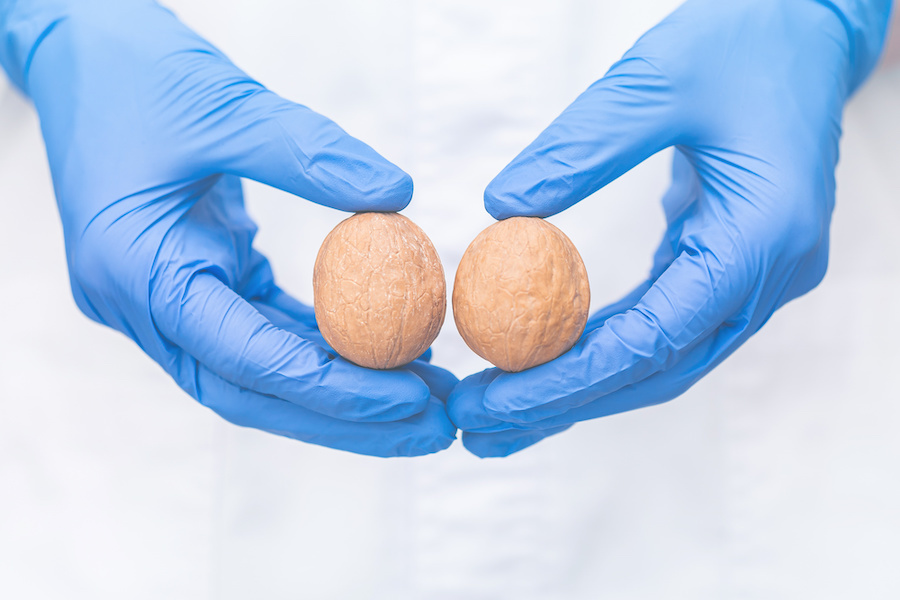
There are many potential causes of testicular pain. They can range from something as simple as an athletic injury to a complex chronic health condition. You may experience testicular pain on its own or pain that is accompanied by other symptoms.
The testes are very sensitive organs, and even minor injuries can cause significant pain. Trauma or injury can cause pain in the testes, but pain lasting several months or longer is more likely to be caused by a medical condition.
You may experience pain that is not accompanied by sexual dysfunction, or you may experience both. Testicular pain without ED may be caused by:
- Inguinal hernia. Hernias can cause abdominal, groin, and testicular pain.
- Varicocele. A varicocele is a cluster of enlarged veins, which can cause significant tenderness in the testicles.
- Undescended testicle. A testicle that does not descend into the scrotum can cause testicular pain and may need to be treated with surgery.
- Priapism. Priapism is characterized by an erection that will not go away. This can cause significant pain in the penis and scrotum.
- Kidney stones. Pain from kidney stones can spread to the scrotum.
- Nerve damage. Nerve damage from injury or from diabetic neuropathy can cause testicular pain.
- Scrotal masses. Scrotal masses form in or around the scrotum and are typically the result of excess fluid or abnormal tissue growth. They may harden, swell excessively, and cause pain. They should still be evaluated by a medical provider, even if they do not cause significant pain.
- Testicular torsion. Testicular torsion is a serious medical condition where the testicle becomes twisted and cuts off blood supply to the testicle. This condition requires immediate medical attention, as it can cause significant long-term damage to the testicles. You should seek treatment as soon as possible, preferably within six hours of symptom onset.
- Gangrene. The death of tissues from scrotal injury can cause severe scrotal pain. Gangrene can be life-threatening and spread to other areas of the body.
While uncommon, some men have reported mild discomfort in the testicles after taking erectile dysfunction medications. If you’re wondering, can Viagra cause testicle pain, the answer is yes—though it’s rare and usually not severe. Persistent pain should still be evaluated by a doctor to rule out other causes.
Some testicular conditions can be cause for concern, whether they cause significant testicular pain or not. These include:
- Hydrocele. Hydrocele is a form of fluid build-up around one or both testicles and is characterized by scrotal swelling. It is typically painless, but untreated cases can result in pain and extreme swelling.
- Testicular cancer. It is rare for testicular cancer to cause testicular pain. A lump in the testicle requires immediate medical attention, as it could signal testicular cancer.
- Spermatocele. Excess fluid in the testicle can cause significant swelling and lead to pain if left untreated.
Can Viagra Cause Testicle Pain? The Rare Side Effect Explained
While Viagra is generally safe and effective for treating ED, rare cases of mild testicular discomfort have been reported. This may be due to:
- Increased pelvic blood flow – Viagra works by dilating blood vessels, which can sometimes create pressure or sensitivity in surrounding areas, including the testicles.
- Circulatory changes – A sudden shift in blood pressure can trigger mild aches or discomfort.
- Individual sensitivity – Some men may be more prone to feeling pelvic or scrotal pressure when using ED medication.
The good news is that when Viagra does cause testicle pain, it’s typically mild and temporary. However, persistent or severe pain is not normal and should be evaluated by a healthcare provider.
Can Testicular Pain Cause ED?
There are several conditions that are associated with both testicular pain and the inability to achieve or maintain an erection. Untreated testicular pain can lead to ED and other forms of sexual dysfunction on its own. Research shows that testicular pain can lead to reduced interest in sex, and that sex can actually make chronic testicular pain worse.
Common causes of testicular pain with ED include:
- Epididymitis. Epididymitis is inflammation of tube that carries sperm from the testicles. It is commonly caused by infections, such as chlamydia. It may also be accompanied by heaviness, warmth, and swelling in the testicles. Men may notice the other symptoms of infection, such as clouded urine, pain during sex, swollen lymph nodes, and pain during urination. Chronic epididymitis can cause ED or infertility, especially if left untreated. This condition is painful, but can be easily treated with antibiotics.
- Orchitis. Orchitis is inflammation of one or both testicles, which can be caused by bacterial or viral infections. If left untreated, orchitis can cause ED or infertility.
- Prostatitis. Inflammation of the prostate can cause both abdominal and testicular pain. Severe cases of prostatitis can also cause ED.
If you’re concerned about chronic testicular pain’s effect on your sexual function, talk to your health care provider. They may refer you to a urologist.
Is It Normal to Have a Testicle Ache?
Occasional mild testicle ache isn’t uncommon and may result from temporary causes like minor injury, physical exertion, or prolonged arousal without ejaculation. However, persistent or recurring testicular pain is not considered normal and should never be ignored. It may signal underlying conditions ranging from infection to more serious concerns like testicular torsion or even a tumor.
What Other Symptoms May Occur Alongside Testicular Pain?
Testicular pain can be accompanied by various symptoms, depending on its root cause. These may include:
- Swelling or redness in the scrotum
- Pain or burning during urination
- Abdominal or groin pain
- Fever or chills
- Nausea or vomiting
- Unusual discharge from the penis
These symptoms help doctors pinpoint whether the pain stems from infection, injury, or another condition.
Can Testicular Pain Be Caused by a Sexually Transmitted Infection?
Yes, sexually transmitted infections (STIs) are a common cause of testicular discomfort. Infections like chlamydia or gonorrhea can spread to the epididymis, causing epididymitis—a painful inflammation often experienced as a dull ache or sharp pain in the testicle. If you’re sexually active and experiencing pain, a prompt STI screening is essential for proper diagnosis and treatment.
How Is Testicular Pain Diagnosed?
Doctors typically start with a physical examination and medical history review. Depending on the severity or nature of symptoms, diagnostic tools may include:
- Urinalysis or STI tests to check for infection
- Ultrasound imaging to detect torsion, tumors, or varicoceles
- Blood tests to identify systemic issues or inflammation
In some cases, an emergency diagnosis is needed—especially if testicular torsion is suspected, as it requires immediate treatment.
When Should I See a Doctor About Testicular Pain?
Any sudden or unexplained testicular pain warrants concern. You should speak with your health care provider about your testicular pain as soon as possible if you also experience the following symptoms:
- You have a fever.
- You feel a new lump on your scrotum.
- Your scrotum changes colors, turns red, or is warm to the touch.
- You have been exposed to someone who has mumps.
You should seek emergency medical attention if you experience any of the following:
- Pain accompanied by nausea or vomiting
- Severe swelling after an injury
- Pain that is sudden or severe
Care and Treatment
Treating testicular pain depends entirely on its cause. Mild cases may only need rest, supportive underwear, or over-the-counter pain relief. Infections are usually treated with antibiotics, while testicular torsion or hernias may require urgent surgery. Applying ice packs, elevating the scrotum, and avoiding strenuous activity can also help manage discomfort during recovery.
How Is Testicular Pain Treated?
Here’s a general breakdown of common treatments:
| Cause | Treatment Options |
| Minor Injury or Strain | Ice, NSAIDs, scrotal support |
| Epididymitis (Infection) | Antibiotics, rest, STI treatment if needed |
| Testicular Torsion | Emergency surgery |
| Hernia | Surgical repair |
| Tumors or Cancer | Surgical removal, followed by oncology care |
If you’re wondering, can Viagra cause testicle pain? — while it’s not a widely reported side effect, some men have experienced mild discomfort. This could be linked to increased pelvic blood flow or sensitivity. If pain persists after using ED medications, it’s best to speak with a healthcare provider to rule out any complications or alternative causes.
Can I Treat Testicular Pain at Home?
There are several things you can do at home to manage your testicular pain. If your pain does not require emergency medical attention, try these:
- A rolled blanket or towel under your scrotum while lying down to support your scrotum and reduce pain.
- Over-the-counter anti-inflammatory medications to reduce pain
- Warm baths
- Ice to reduce swelling
- An athletic supporter, like a cup
If your pain is severe or persists for a long period of time, you should see your health care provider. They can help you determine the cause of your pain and provide you with additional treatment options.
Many cases of chronic testicular pain require medical treatment. Common medical treatments for testicular pain include:
- Antibiotics to treat pain caused by infection
- Pain medication to manage severe pain
- Surgery to repair testicular torsion
- Surgery to reduce fluid accumulation in the testicles
- Other types of surgery for specific injuries or conditions
Can I Treat ED Related to Testicular Pain?
Fortunately, you have several options for safe and effective erectile dysfunction treatments, regardless of the cause of the ED.
Oral medications, like Viagra, Levitra, and Cialis, are typically the first line of defense against ED. These medications are also known as phosphodiesterase type-5 (PDE5) inhibitors, and they work by increasing blood flow to the penis. These drugs are effective and safe for treating ED in most men.
You may also need to manage your ED with lifestyle changes, such as improvements to your diet and exercise routine. Never take ED drugs in combination with dietary supplements marketed to treat ED.
If you take nitrate drugs or cannot take PDE5 inhibitors for any other reason, you still have options to treat your ED.
Find Support at eDrugstore

Ready to take control of your sexual function? A medical provider can help you to identify the likely cause of your ED and the best treatment options for you. In fact, you can speak to a U.S.-licensed physician and browse your treatment options with eDrugstore.com.
We carry all FDA-approved medications for ED. These include:
- Cialis (tadalafil)
- Levitra (vardenafil)
- Stendra (avanafil – not yet available in a generic version)
- Viagra (sildenafil)
Follow our blog to learn more about ED and other sexual health topics. If you would like to explore your treatment options, you can speak to a U.S.-licensed physician by calling 1-800-467-5146, or by visiting our erectile dysfunction page today. Virtual visits and shipping are always free.
FAQs
1. Should I ignore testicular pain?
No, you should never ignore testicular pain. While it might seem minor or temporary, persistent or sudden testicle pain can indicate serious underlying issues such as testicular torsion, infection (epididymitis), or even a hernia. Delaying medical attention could result in complications—including fertility problems or, in severe cases, permanent damage. If the pain lasts more than a few hours or is accompanied by swelling, nausea, or fever, consult a healthcare professional immediately.
2. Can I still have children after losing a testicle?
Yes, you can still have children after losing one testicle. The remaining testicle usually compensates by producing enough testosterone and sperm to maintain fertility. Many men with a single testicle lead healthy, sexually active lives and successfully father children. However, it’s wise to have your sperm count and hormone levels evaluated, especially if you’re planning a family in the near future.
3. Can testicular pain come from not ejaculating?
In some cases, testicular discomfort may result from prolonged arousal without ejaculation—a condition often referred to as “blue balls” or medically as epididymal hypertension. It’s generally harmless and resolves on its own after a short period. However, if the pain is persistent, sharp, or doesn’t go away with ejaculation or time, it could be a sign of something more serious and should be evaluated by a doctor.
4. Can Viagra cause testicle pain?
It’s not a common side effect, but some men have reported mild testicular discomfort after using ED medications like Viagra. This could be due to increased blood flow or pressure changes in the pelvic region. If you experience testicle pain after taking Viagra, especially if it’s severe or ongoing, it’s important to speak with your healthcare provider. They can assess whether the medication is contributing to the issue or if another condition is at play.
5. Should I stop taking Viagra if I experience testicle pain?
If the pain is mild and temporary, it may not require stopping the medication. But if discomfort is severe or ongoing, consult your healthcare provider before continuing use.
6. Is testicle pain more likely from other causes than Viagra?
Absolutely. Injuries, infections, hernias, and testicular torsion are much more common causes of pain. Viagra-related testicle pain is unusual and typically less serious.

Shelby is a public health professional with research and field experience in sexual and reproductive health. She holds a Master of Public Health (MPH) and is a Certified Health Education Specialist (CHES).