


Effective ED Treatment. Private. Convenient. Trusted.
Doctor-prescribed ED medication delivered discreetly to your door.
Physicians
Private
Delivery

ED3 Max Dissolvable ED Pills
Long-lasting results up to 36 hours.
- Up to 36 Hour Window
- Improved Confidence
- Works When You Need It

Sildenafil 25mg
Proven effective treatment.
- Starts Working in 30–60 Min
- Effective, As Needed
- Trusted & Reliable
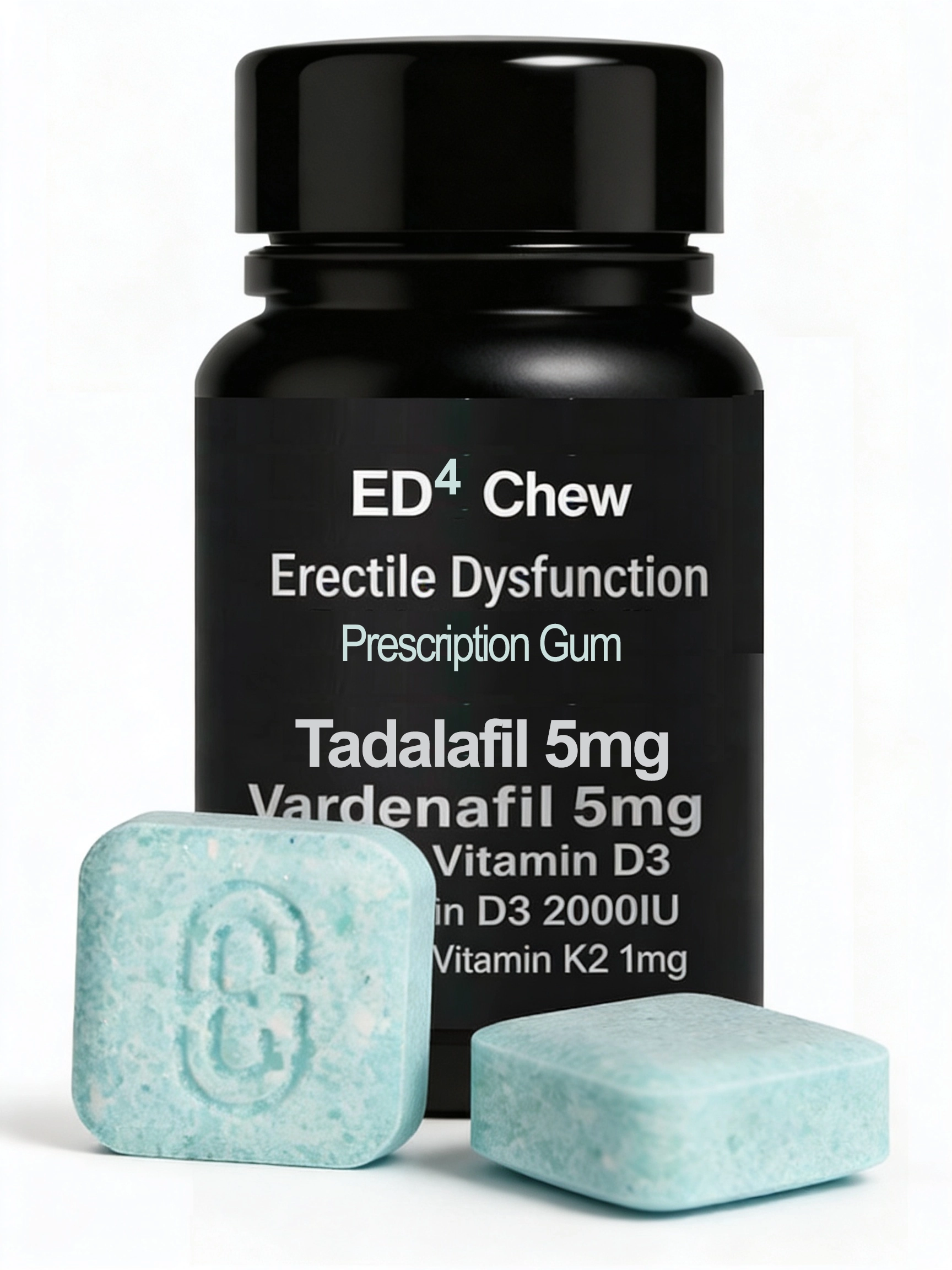
ED4 Chew Gum
Low daily dose for continuous readiness.
- Taken Once Daily
- Continuous Readiness
- Improves Confidence
Highlights
- FDA-approved ED medications like sildenafil (Viagra), tadalafil (Cialis), Avanafil (Stendra), and Vardenafil (Levitra) are generally safe and effective for most men.
- Common ED medication side effects include headache, flushing, indigestion, nasal congestion, back pain, dizziness, and rash.
- Low-dose tadalafil (Cialis for Daily Use) and the generation medication avanafil (Stendra) may pose a lower risk of side effects.
- Individual health factors, medication interactions, dosage, and frequency influence your risk for side effects.
- The best ED medication for you will depend on your individual health factors and lifestyle.
Viagra and similar medications used to treat erectile dysfunction (ED) are more accessible than ever before. Each medication has its own pros and cons, especially when it comes to side effects. Find the best ED medication with the least side effects with our guide.
Overview of ED Medication Side Effects
It can be tough to choose between popular ED medications. There are several safe and effective options on the market:
- Sildenafil (Viagra)
- Tadalafil (Cialis)
- Avanafil (Stendra)
- Vardenafil (previously sold as Levitra)
These ED drugs are all PDE5-inhibitors. They work by improving blood flow to the right places, making it easier to get and keep an erection. But there are a few differences between these drugs, including their side effects.
Common ED Medication Side Effects
Pinpointing the best ED medication with the least side effects is challenging. Risk for side effects varies based on individual health factors, tolerance, and adherence to medication guidelines.
Most side effects from ED medications are mild and temporary. The most common side effects include:
- Headache
- Flushing (facial flushing)
- Dyspepsia (indigestion, upset stomach)
- Nasal congestion (stuffy nose)
- Back pain
- Dizziness
- Rash
Rare, but serious side effects may occur when taking PDE5-inhibitors:
- Priapism. Priapism describes a painful erection that lasts for hours. Though extremely rare, it’s a potential side effect of ED medications.
- Low blood pressure. ED medications can cause a sudden and dangerous drop in blood pressure. This is more likely to happen if you take medications that don’t mix well with PDE5-inhibitors or if you have certain health conditions.
Some ED medications are generally known for specific side effects (or lack thereof). We’re taking a closer look at each medication to help you make the best choice for your health and lifestyle.
Comparing Common ED Medication Side Effects
Let’s start by comparing how these drugs stack up for the most commonly reported ED medication side effects. These results are based on the percentage of clinical trial participants experiencing common side effects.
Percentage of clinical trial participants experiencing side effects
Greater Reported Side Effects
Sildenafil (Viagra) appears to have caused more side effects in clinical trial participants. It holds a comparatively higher percentage across multiple categories. For example, headache, flushing, and dyspepsia were notably more prevalent in sildenafil clinical trials.
Comparable Reported Side Effects
Avanafil (Stendra), tadalafil (Cialis), and vardenafil (Levitra) share similar profiles. There were modest variations in the percentages of reported side effects during clinical trials for these medications. They may present a balanced choice for those seeking a middle-of-the-road approach between efficacy and potential discomfort.
Fewest Reported Side Effects
Low-dose tadalafil (Cialis for Daily Use) shows the least amount of reported side effects. Low-dose tadalafil stands out with a lower incidence across categories such as headache, flushing, dyspepsia, nasal congestion, back pain, dizziness, and rash.
Remember, individual responses to ED medications can vary widely, so your results may be significantly different than those of the “average” individual.
Now it’s time to get into the side effect profiles for each medication.
Sildenafil (Viagra)
Sildenafil (Viagra) is one of the world’s most popular ED medications. Some credit this to the fact that Viagra had a head start on other ED medications, as the first oral ED medication approved by the Food and Drug Administration (FDA). However, Viagra also has a stellar track record for being safe, effective, and satisfactory for most men who take it.
Common Viagra side effects include:
- Headache. This is the most common side effect, and it typically fades once you’re acclimated to the dose.
- Flushing. About one in five men report sudden, temporary facial flushing while taking Viagra.
- Dyspepsia (indigestion, upset stomach). Indigestion and nausea are most more likely to occur at higher doses and considered rare at lower doses.
- Nasal congestion. PDE5-inhibitors widen blood vessels throughout your body, which can affect your sinuses.
Rare, but serious Viagra side effects can include:
- Vision changes. Some men have reported vision changes, such as light sensitivity or color impairment, when taking Viagra. This is a rare side effect that tends to diminish within five hours of taking the drug.
- Hearing loss. Viagra and other PDE5 inhibitors carry a very small risk of developing hearing loss, which can be temporary or permanent.
Viagra may have side effects similar to other ED medications, but these side effects are generally mild and temporary. Many men tolerate Viagra well, especially at lower doses. It’s available in several dose strengths, which helps providers to optimize effectiveness while minimizing risk of side effects.
Tadalafil (Cialis)

Tadalafil (Cialis) comes in two forms. The traditional form is known as “the weekend pill” and is taken on demand for quick action. Unlike its counterparts, it can remain effective for up to a whopping 36 hours, earning its reputation for providing a broader window of opportunity.
Like sildenafil, Cialis might cause headaches, flushing, or upset stomach. It’s less likely to cause vision changes than sildenafil or vardenafil. Cialis also has some unique side effects, including back pain and muscle aches.
Because Cialis works for a longer time than other ED medications, the side effects might also last longer. If you're someone prone to side effects from ED pills, you might find shorter-acting options like sildenafil, vardenafil, or avanafil a better fit for you.
Low-Dose Tadalafil (Cialis for Daily Use)
Low-dose tadalafil (Cialis for Daily Use) is a longer-acting form of tadalafil. It’s a low-dose daily version for those who want to be ready anytime. Opting for a lower daily dose instead of a higher one before intimacy helps to minimize side effects while maintaining effectiveness.
Research spanning at least six months has shown its efficacy and safety in treating ED. A meta-analysis covering 1,596 men in six randomized controlled trials found that the 5 milligram daily dose of tadalafil resulted in a better erectile function compared to the placebo group.
Vardenafil (Levitra)
Vardenafil (previously sold as Levitra) is similar to sildenafil in terms of effectiveness and side effects. Research links vardenafil to improved erectile function, firmer erections, and a higher success rate of sexual attempts. These results are stronger at higher doses.
Similar to sildenafil, vardenafil can cause headaches, flushing, nasal congestion, and upset stomach. Though rare, some men have also reported temporary changes in color vision and retinal function. Fortunately, these side effects tend to be temporary.
Avanafil (Stendra)
Avanafil (Stendra) is relatively new to the ED market. Stendra boasts a reputation for reportedly causing fewer side effects, setting it apart from its predecessors.
Research shows that, as a second-generation ED medication, avanafil provides more targeted action, resulting in faster onset and less risk for side effects. Similar to sildenafil, Stendra may cause headache, flushing, and nasal congestion. However, incidence for flushing tends to be much lower for Stendra than sildenafil.
A recent study compared avanafil and sildenafil for treating erectile dysfunction. After 12 weeks, avanafil proved superior to sildenafil in improving erectile function, and it demonstrated a faster onset of action. Both medications were generally well tolerated, with headache being the most common reported adverse event in both groups.
Factors That Influence Your Response to Medication

Individual responses vary, and what works well for one person may not for another. You may experience minimal to no side effects, while others might have a different experience. This is influenced by factors such as your individual health status, current medications, and the dosage and frequency of your ED medication.
Individual Health Factors
Your individual health factors impact how well you respond to ED medications and how likely you are to experience side effects.
These health factors include:
- Age. Age can impact how the body responds to ED medications, as older individuals may metabolize drugs differently than younger ones. This can make someone more prone to side effects like nausea or dizziness.
- Underlying health conditions. Certain underlying health conditions can contribute to side effects when taking ED medications. Conditions like heart disease or diabetes may interact with the medication, which can put you at risk for more severe side effects like a severe drop in blood pressure.
- Substance use. Alcohol, caffeine, and recreational drugs can have a negative impact on the effectiveness of ED medications.
Consulting a healthcare provider is essential to determine the most suitable ED medication based on your health history.
Other Medications
When taking any ED medication, it's crucial to be aware of potential interactions that can lead to dangerous side effects.
For example:
- Nitrates. Combining ED drugs with nitrates, used for heart conditions, can cause a significant drop in blood pressure, risking dizziness, fainting, or even life-threatening cardiovascular events like heart attacks or strokes.
- Alpha-blockers. Alpha-blockers, commonly taken for hypertension, can also interact with ED medications, emphasizing the importance of spacing them at least four hours apart.
Tell your doctor about all medications and supplements you're using to prevent adverse interactions. Always be cautious and follow your doctor's advice regarding warnings and restrictions associated with ED medications.
Dosage and Frequency
The dosage and frequency of use plays a crucial role in your risk for side effects when taking ED medications. For example, higher doses may increase the risk of side effects. Taking these drugs more frequently than prescribed may raise the risk of adverse reactions.
Importance of Talking to a Healthcare Provider
Your healthcare provider plays a vital role in assessing your health history and understanding your specific needs. They can offer personalized recommendations based on your individual health situation.
Remember, all FDA-approved ED medications require a prescription. Share details about your current medications and health status for safe and personalized guidance in finding the right solution for your needs.
Patient Safety Precautions
In addition to discussing your underlying health conditions and potential drug interactions with your doctor, you should also consider the following patient safety precautions:
- Take your medication as prescribed. Following the recommended dosage and schedule provided by your healthcare provider is essential for safe and effective use.
- Report all side effects. Tell your provider immediately about any side effects to ensure timely evaluation and appropriate adjustments.
- Store properly. Store your medication according to the provided instructions to maintain its effectiveness.
Conclusion: Which ED Medication Has the Least Side Effects?
Overcoming ED medications can be challenging, but FDA-approved medications like sildenafil (Viagra), tadalafil (Cialis), avanafil (Stendra), and vardenafil (formerly sold as Levitra) are considered safe and effective for most men.
Like any medication, these treatments can cause side effects. Fortunately, most side effects are mild and temporary. The most common side effects reported during clinical trials include:
- Headache
- Flushing (facial flushing)
- Dyspepsia (indigestion, upset stomach)
- Nasal congestion (stuffy nose)
- Back pain
- Dizziness
- Rash
If you’re prone to side effects from ED medications, you might benefit from a lower dose of your ED medication. Low-dose tadalafil (Cialis for Daily Use) and the second generation drug avanafil (Stendra) have reportedly lower side effects.
No one pill fits all, and individual reactions vary. Talk to your healthcare provider before starting any new medication. They can walk you through the pros and cons of each medication based on your individual health and lifestyle factors. Remember that the "best" medication is a personal choice tailored to your unique situation.
Find Your Best ED Medication Option with eDrugstore

Reclaim control of your sex life with eDrugstore. Our hassle-free process includes a free consultation with a U.S.-licensed physician. Order your preferred FDA-approved ED medications online from the comfort of your home, and enjoy free shipping.
Don't let ED hold you back. Schedule your assessment today and discover the convenience of accessible solutions tailored just for you.
Disclaimer: This article provides general information about health and related topics but is not intended as a substitute for professional medical advice, diagnosis, or treatment. Always seek the advice of your physician or other qualified health provider with any questions you may have regarding a medical condition.
Frequently Asked Questions
What are the common symptoms for erectile dysfunction (ED)?
The common erectile dysfunction symptoms include difficulty in achieving or maintaining an erection that is sufficient for sexual activity. A reduced libido or sexual desire is also a key symptom. Men with ED often experience anxiety or a lack of confidence regarding their sexual performance, which can further impact their overall well-being. Physical symptoms, such as poor blood flow and hormonal imbalances, may also contribute to the condition. These symptoms can vary in severity, and identifying the root cause is crucial for effective treatment.
Can I switch to Sildenafil as an erectile dysfunction drug?
Yes, Sildenafil is a well-known and effective option for treating erectile dysfunction (ED). It works by increasing blood flow to the penis, helping to achieve and sustain an erection. If other ED medications like Tadalafil (Cialis) or Vardenafil (Levitra) haven’t been effective, Sildenafil may be a suitable alternative. However, it’s important to consult a healthcare provider before making any changes to your medication to ensure you receive the most appropriate treatment tailored to your specific condition.
How quickly do erectile dysfunction drugs work?
The time it takes for erectile dysfunction drugs to start working depends on the medication:
- Sildenafil (Viagra) typically starts working within 30 to 60 minutes and lasts for about 4 to 6 hours.
- Tadalafil (Cialis) takes about 30 to 60 minutes to become effective but offers a much longer duration of action, lasting up to 36 hours.
- Vardenafil (Levitra) works similarly, taking around 30 to 60 minutes and providing effects for 4 to 6 hours.
The effectiveness of these medications may also depend on factors such as dosage, underlying causes of ED, and individual response.
What are the major causes of erectile dysfunction?
Several physical and psychological factors contribute to erectile dysfunction. Physical causes include aging, which reduces blood flow, as well as chronic conditions like diabetes, high blood pressure, and cardiovascular issues. Hormonal imbalances, particularly low testosterone levels, are also common culprits. Lifestyle factors such as obesity, smoking, and excessive alcohol consumption can exacerbate these issues. On the psychological side, stress, anxiety, depression, and relationship issues are significant contributors to ED. Identifying and addressing the underlying erectile dysfunction causes is key to effective treatment.
Are there any other treatment options available for erectile dysfunction other than medications?
Yes, besides medications, several non-medication treatment options are available for erectile dysfunction treatments. Lifestyle changes such as maintaining a healthy diet, regular exercise, weight loss, and quitting smoking can improve blood flow and reduce the risk of ED. Psychological counseling and therapy can also address emotional and psychological factors contributing to ED, such as stress and anxiety. In addition, devices like vacuum erection devices (VEDs) can assist in achieving erections when medications are not effective. For severe cases that do not respond to other treatments, penile implants may be considered as a surgical option. Herbal supplements like ginseng or maca are also explored by some, though their efficacy varies.

Shelby is a public health professional with research and field experience in sexual and reproductive health. She holds a Master of Public Health (MPH) and is a Certified Health Education Specialist (CHES).