


Effective ED Treatment. Private. Convenient. Trusted.
Doctor-prescribed ED medication delivered discreetly to your door.
Physicians
Private
Delivery

ED3 Max Dissolvable ED Pills
Long-lasting results up to 36 hours.
- Up to 36 Hour Window
- Improved Confidence
- Works When You Need It

Sildenafil 25mg
Proven effective treatment.
- Starts Working in 30–60 Min
- Effective, As Needed
- Trusted & Reliable
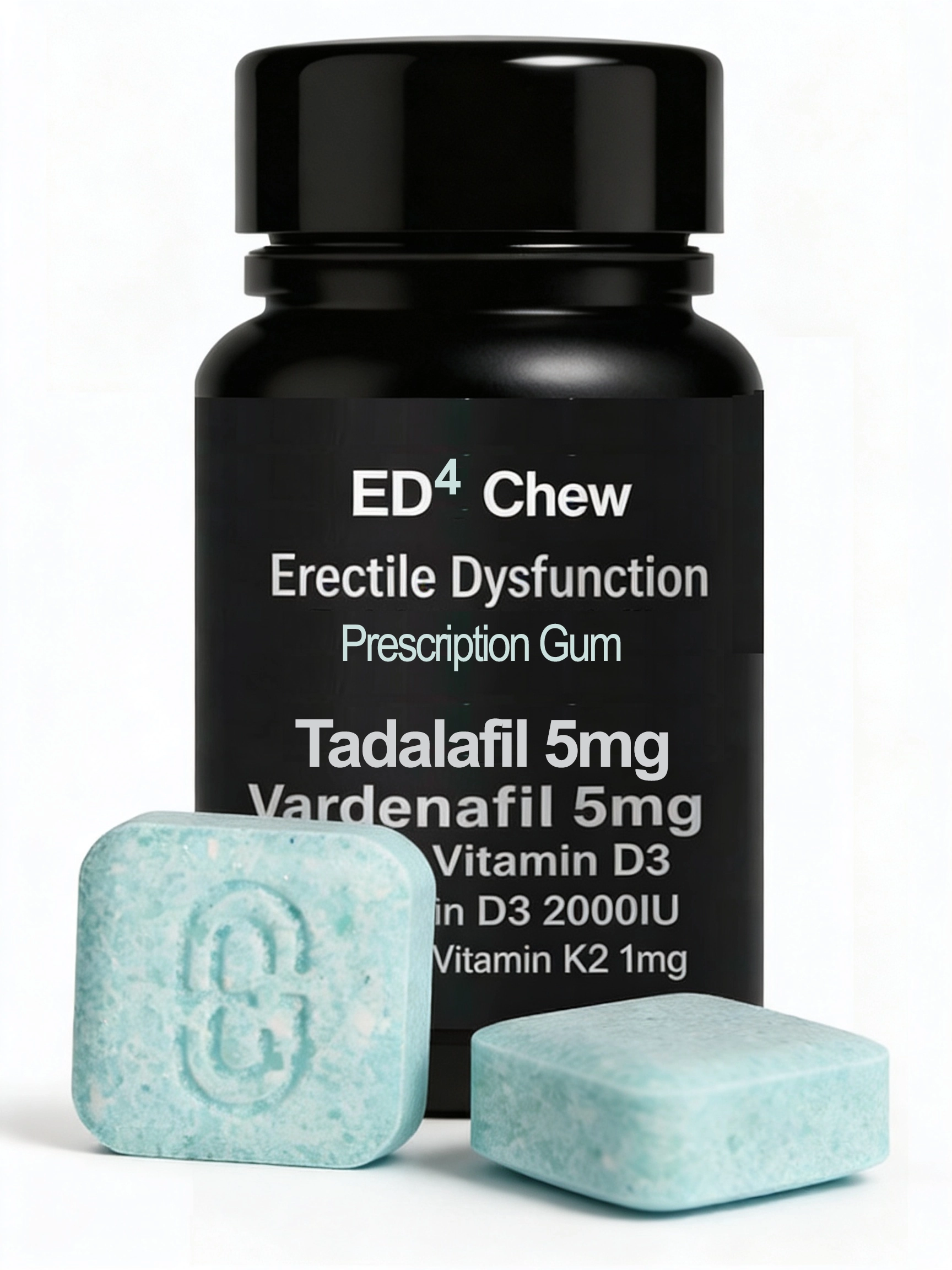
ED4 Chew Gum
Low daily dose for continuous readiness.
- Taken Once Daily
- Continuous Readiness
- Improves Confidence
Highlights
- Priapism is a prolonged, painful erection not always linked to sexual stimulation.
- For an erection that lasts two hours, home remedies may help.
- If you have an erection lasting over four hours, seek immediate medical help.
- If untreated or treated too late, priapism can lead to permanent damage in the penis.
- Luckily, priapism is a rare condition and the risk of getting it after using Viagra is very low.
Priapism is a prolonged, painful erection lasting for four hours or more. It’s a serious medical condition that may, in rare cases, be caused by Viagra. Medical data is reassuring, however — developing priapism after using ED medication is extremely rare.
What Is Priapism?
Priapism is an erection that lasts unusually long, causing pain and discomfort. It may or may not involve sexual arousal and stimulation. If untreated, priapism can be very dangerous. In medical terms, an erection that lasts four or more hours is usually regarded as priapism.
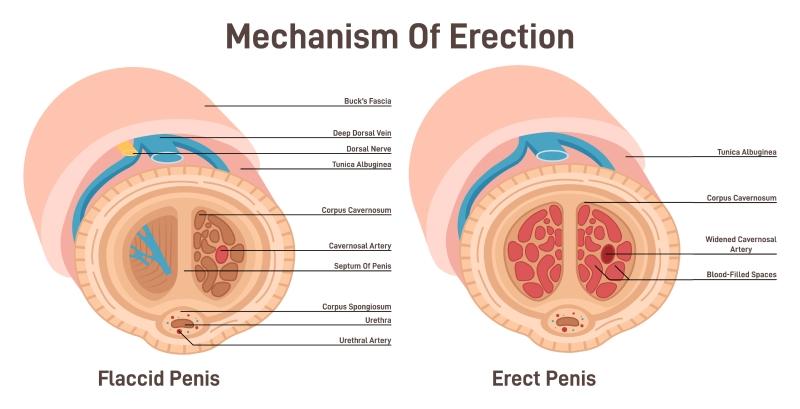
To get a better understanding of how priapism works, think of a water fountain. It works well when fresh water flows freely in and out. Now think of a blockage that prevents old water from flowing out and new water from coming in. What do you get? A fountain filled with water that can’t drain.
Something similar happens to a penis affected by priapism. The sexual organ relies on good circulation of blood flowing into its spongy tissues to enable erections.
Blood vessels temporarily tighten to keep the penis erect, but after a while, they open to let the blood out and allow for recovery and the continued exchange of oxygenated blood that keeps the penis in top shape.
Types of Priapism
For men who experience priapism, it’s usually a one-off situation. Some unlucky ones, however, may have its recurrent form, called stuttering priapism.
With the most common form of priapism, known as ischemic, or low-flow, the blood will get stuck inside of the sexual organ for too long, depriving it of oxygen.
Another less common form of the disorder is non-ischemic, or high-flow, priapism. When it happens, there’s a constant, high volume flow of blood into the penis. When so much blood is pumped into the organ, it can’t rest and recover. This, too, can be dangerous.
Causes of Priapism
For some men, priapism happens spontaneously and is difficult to predict. Those suffering from certain medical conditions or using specific medications can be at higher risk for this complication.
Here are the main causes of priapism.
- Hematologic disorders. Blood diseases that can increase the risk of priapism include sickle cell disease and leukemia. Medical data suggests that there are more cases among young men of African or Mediterranean descent.
- Side effects of medication. The strongest link to priapism has been found for antipsychotic drugs. Other types of medication include antihypertensives, beta blockers, anticoagulants, corticosteroids, hypoglycemics, lithium, methaqualone, and trazodone.
- Erectile dysfunction medications. Priapism is one of the adverse effects of injectable ED treatments, such as alprostadil or papaverine. It’s much less likely to occur from oral PDE5 inhibitors, such as Viagra, Cialis, or Levitra.
- Recreational drugs. There have been reports of priapism in men who took amphetamines or cocaine.
- Trauma. Men who have suffered injury to the penis may develop a non-ischemic form of priapism.
Other causes of the condition include prostate cancer, spinal cord stenosis or compression, genital infections, pelvic hematomas, cerebrospinal disorder, and carbon monoxide poisoning.
How Common Is Priapism?
A painful, prolonged erection causing penile damage is a stuff of nightmares for most men, but getting one is unlikely. Statistically speaking, out of a hundred thousand men in the United States, only 5.34 will end up with priapism symptoms.
No one knows why, but there are over 30 percent more reported cases in the summer months compared to wintertime.
The Link Between Priapism and Viagra
The risk of taking Viagra for ED only to get too much of a good thing — an erection lasting over four hours, causing pain and tissue damage — may have been overestimated, too.
An analysis of documented drug-induced priapism cases revealed that the use of erectile dysfunction medications from the PDE5 inhibitor group (such as Viagra or Cialis) caused only 2.9 percent of priapism cases.
That’s a small proportion, compared to 33.8 percent of prolonged erection cases resulting from the use of certain antipsychotic drugs.

What To Do if Your Erection Won’t Go Away
Priapism is a urological emergency, and you should try to do something about it as soon as you can. If you notice that your erection won’t go away after two hours, you can try some things at home first.
Home remedies to try include:
- Taking a warm bath or shower.
- Drinking lots of water.
- Trying to urinate.
- Gentle movement, such as a walk or squats.
Don’t try to masturbate or have sex, as this could make things worse. Also, don’t take cold baths or use ice packs on your penis.
If your efforts don’t bring fast results, don’t wait — go to the emergency department. It’s the only way to avoid serious complications, including permanent erectile dysfunction or damage to your penis.
Treatment for Priapism
If medical help becomes necessary, there are several treatment options. The doctor may give you medication to resolve the issue.
If need be, they may drain the stagnant blood from your penis using a needle. (Don’t worry, you will be numbed in that area before the procedure.) Sometimes, a surgical procedure called a shunt or ligation may be necessary.
The idea of going to the hospital with an erect penis and having needles injected into it may sound scary, but hesitating to get medical assistance could result in permanent damage.
Remember that doctors are professionals, trained to deal with all kinds of emergencies. They will not judge or make fun of you. With proper care and treatment, you have a good chance of recovery and getting your sex life back.

eDrugstore – Your Trusted Viagra Source
As a man you want to stay healthy and enjoy great sex. If you need erectile dysfunction treatment, your safest bet is to use only FDA-approved, prescription medication.
At eDrugstore, U.S.-licensed physicians are here for you to provide guidance as to which medication will be effective and safe for you. Learn more about available ED treatments and get help today.

Anka Grzywacz is a sexologist, reproductive health expert and Certified Sex Coach™. In her online practice she helps busy women and couples solve their intimate problems.