


Highlights
- Humans have been searching for ED treatments since the beginning of civilization.
- Ancient Egyptians left behind complex prescriptions for natural ED remedies.
- Many ancient Chinese and Indian treatments for ED included a magical component.
- The origins of modern ED treatments can be traced back to the late 1800s.
- The 20th century saw pioneering inventions, such as penile prosthetics, injections, and Viagra pills.
- Promising innovations are currently in development, including gene therapies and nerve stimulation devices.
Would you eat the genitals of a goat to boost your erections? This is one of the milder examples of ED treatments recommended to men in ancient times. We’ve come a long way since then! Let’s dive into the past and uncover ancient approaches to this age-old problem.
Ancient Approaches to Treating ED
We don’t know how common ED was in ancient times. Since the average life expectancy was much shorter in the past, it’s possible that the issue wasn’t as widespread as it is now. Still, there’s historic evidence that humans have been looking for ways to tackle ED for centuries.
ED Treatments in Ancient Egypt
Egyptians created one of the most advanced early civilizations, dating back to 3300 BCE. Their medical knowledge was surprisingly sophisticated, and their doctors were even able to perform simple surgeries.
Egyptians had rich sex lives and used creative remedies for intimate concerns. They also had the tendency to mix medicine with magic. For example, recipes for male virility recommended chanting spells while applying the medication.
The Ebers papyrus (a type of ancient document) offered natural remedies for “the weakness of the male member.” Treatments included willow, juniper, acacia, and red ochre.
Another papyrus, dating back 1700 BCE, suggested anointing the penis with a mixture of healing leaves and honey and wrapping it with a bandage.
 Ancient Egyptians mixed medicine with magic
Ancient Chinese Medicine for Erectile Dysfunction
Acupuncture and herbal remedies have a long history in China. These traditional Chinese medicine therapies aim to restore balance between two life forces, yin and yang.
Sexuality and fertility were regarded as important elements of health; medical writings referred to erectile dysfunction as “yang flabbiness” or “yin flabbiness,” depending on the scholar’s approach.
Ginseng was one of the earliest natural remedies for erectile dysfunction, as described in the treatises by emperor Shen Nung. The plant root gave a warm, pleasurable feeling when chewed and was believed to improve erections and desire.
Acupuncture is an age-old treatment in which thin needles are placed in strategic spots on the body to remove energy blockages. Chinese medicine practitioners believed that revitalizing kidney energy could bring back men’s sexual function.
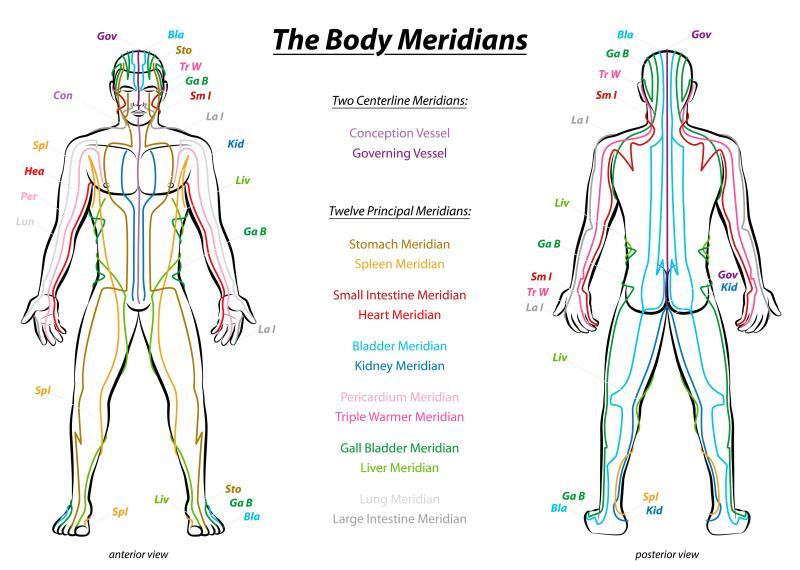 Chinese medicine is based on the concept of channels of energy flowing through the body.
Ayurvedic Medicine in India
Ancient Asia was home to several civilizations that pioneered medical advancement. What we know today as a wellness and natural healing school of Ayurveda was born almost two millennia BCE in India.
In the past, Ayurveda was strongly linked to magical thinking. Today, its holistic philosophy of health and plant-based remedies takes center stage.
Ancient Indians believed that “healthy sex and marital life” were among the pillars of healthy living. They invented a treatment regimen called Vajikarana to address sexual dysfunctions, including ED.
Garlic was one of the ingredients recommended in Ayurvedic medicine for erectile problems. In general, a healthy diet, adapted to the individual needs of the man, was a vital element of treatment.
ED in Medieval Europe
European men in the Middle Ages were under great pressure to sire children. The inability to have intercourse had serious consequences. There are even cases of women obtaining a divorce based on impotence claims.
People also believed that you could make a man impotent by means of magic.
While magical remedies were also widespread in Medieval Europe, medical theories about the functioning of the human body were slowly emerging. All that progress happened in the shadow of the Catholic Church, which forbade autopsies for centuries.
One of popular textbooks at the time was written by Tunisian physician Ahmed Ibn al-Jazzar. He believed that erectile dysfunction was caused by the imbalance of warmth and moisture in the testicles. To treat it, he recommended dietary additions, such as ginger, turnip, or milk spiced with cloves.
 Magical thinking was still widespread in the Middle Ages.
The Legacy of Ancient ED Treatments
From the beginning of time, people have been looking for ways to treat sexual dysfunction and maintain the ability to have intercourse.
Many ancient remedies were based on trial and error, and some were doing more harm than good. What remains until today is the belief (now backed by science) that a balanced life and a healthy diet are the keys to sexual health.
The Dawn of Modern ED Treatments
The beginning of modern treatments for erectile dysfunction can be traced back to the late 1800s. It was, however, the 20th century that brought quantum leaps in men’s sexual health.
Here are the most notable inventions that revolutionized the approach to ED.
Surgical Attempts To Treat ED
In the 1860s, medical researchers discovered vascular and neural mechanisms behind male erections. What followed were the first experimental interventions on men with ED, such as the injection of hypertonic saline into the penile vein.
At the dawn of the 20th century, doctors started performing surgeries, such as ligation (tying off blood vessels to restrict blood flow) or even resection (cutting out) of the dorsal vein in the penis.
The first effective surgeries took place in the 1930s and involved the plication (shortening or tightening) of the dorsal vein and the muscles surrounding the penis.
Development of Penile Implants
The first half of the 20th century brought hope to men who had suffered traumatic injuries to the penis or had serious ED due to illness.
German physician N.A. Borgus is believed to be the creator of the first penile prosthesis that allowed a man to have intercourse. That was in 1936, and the material used to reconstruct the lost or injured penis was rib cartilage covered by live tissue obtained by tissue expansion.
The modern inflatable penile prosthesis was introduced in 1973. Other devices pioneered at the time were made of malleable silicone filled with foam.
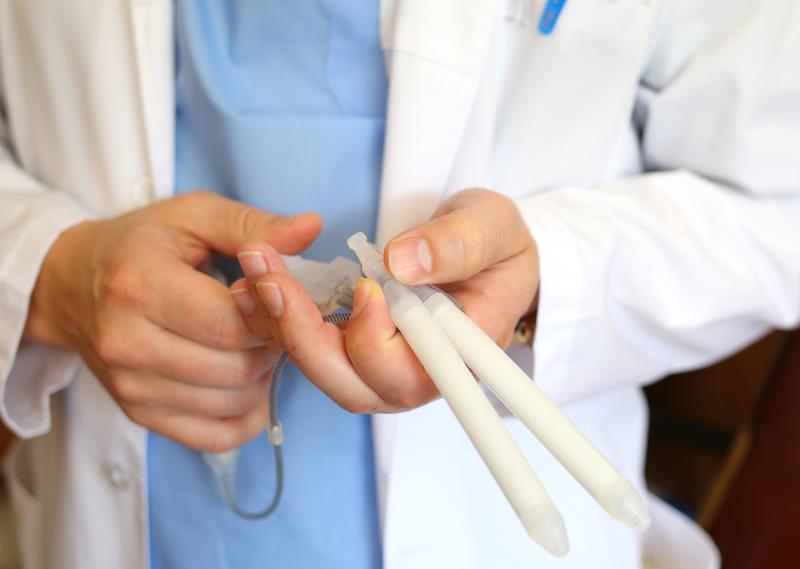 Penile prostheses are still used today for more severe injuries and cases of ED.
Injectables for Erectile Dysfunction
The 1980s saw another breakthrough in ED therapy: injections. Scientists experimented with vasoactive substances — such as papaverine — to increase blood flow to the penis.
Some of the drugs were later withdrawn, due to frequent side effects like priapism (prolonged, painful erections). Injectables are still used today and remain the best choice for men who can’t take oral ED medications or don’t respond to them.
The Game Changer: Viagra
The biggest invention in the history of ED treatments was made by accident. In the 1980s, Pfizer scientists had been working on a drug for a heart condition. They soon realized that the medication had an interesting side effect — it gave men more frequent erections.
Several years and many large drug trials later, Viagra came to the market in 1998 as the first pill for erectile dysfunction. The mechanism of action of sildenafil (the active component of the drug) was simple and effective: to increase blood flow to the penis and make erections easier and more reliable.
 Most couples can now safely use oral ED treatments
Current State-of-the-Art ED Treatments
As a man living in the 21st century, you can count yourself lucky. Erectile dysfunction is no longer the life-shattering diagnosis it once was. Modern ED treatments and medications help you have a satisfying sex life — even if the problem is severe.
Let’s take a quick look at what modern medicine has to offer for ED.
Oral Medications Beyond Viagra
Since the launch of Viagra in the 1990s pharmaceutical companies have developed several other oral treatments for ED, such as Cialis (tadalafil), Stendra, and vardenafil (formerly Levitra).
These drugs have a similar mechanism of action but different modes of use. They all belong to a group of medicines called phosphodiesterase type 5 inhibitors. The active substance in the pill jumpstarts a mechanism leading to better blood flow in the penis, allowing men to achieve and maintain erections.
Doctors usually begin ED treatment with a Viagra prescription but some men may benefit from alternatives. Discuss your preferences regarding:
- Timing. If you want something fast acting, newer drugs can help you get an erection within ten minutes.
- Lasting results. Standard ED pills facilitate erections for up to four hours. If you want to be ready for intercourse over a longer period, you might give Cialis a try.
- Side effects. How your body will react to an ED treatment is very individual. Some men can’t take Viagra but feel great taking other medication.
- Price. Older ED drugs have generic, less-expensive alternatives. The newest products are still under patent protection, so their price may be higher.
Here’s an overview of the currently available ED medications.
| Name | Brand Name | Time to Begin Working | Duration of Effect |
|---|---|---|---|
| sildenafil | Viagra | 30-60 minutes | up to four hours |
| tadalafil | Cialis | 30 minutes | up to 36 hours |
| vardenafil | Vardenafil | 25-60 minutes | up to five hours |
| avanafil | Stendra | 15 minutes | up to six hours |
ED Treatments Applied to the Penis
Remember the ancient concoctions for impotence, applied directly to the penis? Modern medicine still offers penile procedures aimed at boosting erections.
Let’s take a look at some of them:
Penile Suppositories
Want to achieve a quick erection but injecting a needle into your sexual organ is a no-go? ED suppositories are medical pellets that deliver a substance called alprostadil into your urethra (the opening through which urine comes out). Insertion can cause some discomfort, although some men enjoy the sensation.
Platelet-Rich Plasma (PRP) Injections
Don’t want to put a needle into your penis every time you have sex? PRP injections are administered once every few months.
The procedure is a bit complicated, as the doctor needs to draw your blood first, isolate the plasma with platelets, and then reinject it into the spongy tissue of your penis. The jury is still out whether this method is truly effective for ED.
Low-Intensity Shockwave Therapy
Administering a shock treatment to your private parts sounds scary, but low-intensity shockwave therapy for ED is not painful.
This method may be useful for men with vasculogenic ED (when there are problems with circulation) but won’t be of much help for someone after prostate surgery. It uses acoustic waves to stimulate tissues and blood vessels in the penis. It’s still not clear how the method works for ED, but scientific reviews are in progress to determine if it really delivers the desired effects.
Vacuum Erection Devices
Men who have undergone prostate surgery may need a special device to achieve an erection. Medical grade penis pumps are available that can help guide enough blood to the penis to stimulate an erection. To keep the erection, a man needs to put a constriction ring at the base of the penis.
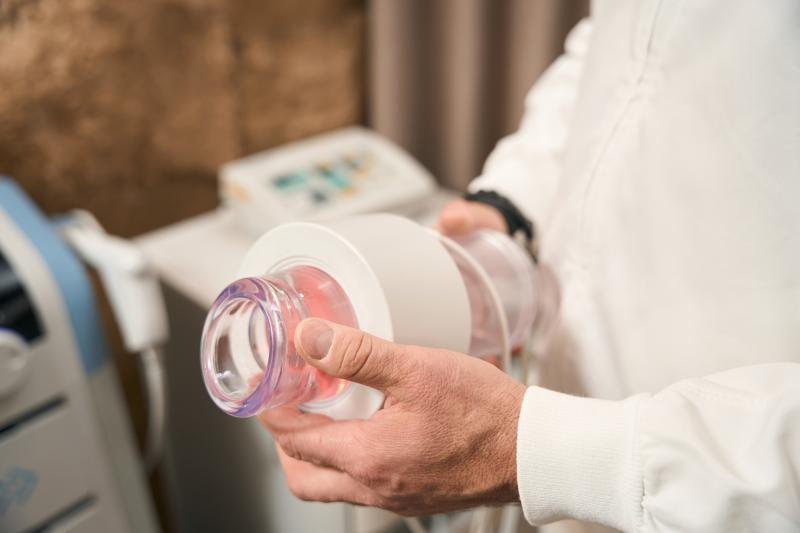 Modern devices have the potential of revolutionizing ED treatment.
Refined Implants and Surgical Techniques
Surgery is the last resort for men who experience no improvement with ED medication and for those who have vast damage to the genital area.
Modern implants are malleable and easy to insert but don’t provide a full erection. The majority of the U.S. operations are done using inflatable devices which can be pumped discreetly and give a more realistic erection.
In rare cases, doctors recommend vascular reconstruction (repairing the damage to the arteries or veins) to give a man a chance at a normal sex life. These are, however, high-risk surgeries, so they are typically done only as a last resort.
The Frontier: Future Directions for ED Treatment
What does the future hold for men’s sexual health? Scientific progress is speeding up, and promising ideas for the treatment of erectile dysfunction are around the corner.
Keep an eye on medical breakthroughs in these areas.
- Gene and stem cell therapy. As researchers are beginning to understand the molecular mechanisms of ED, there’s hope that the use of therapeutic genes and stem cells would revolutionize treatment, especially for patients who can’t take oral medications. So far, mostly animal studies have been conducted, and there are safety concerns that get in the way of clinical trials.
- Nano medications. Nanotechnology sounds like something from a science-fiction movie, but the future is almost here. Nanoparticle-based drug delivery systems are being explored for the treatment of ED. One possible use is the application of medication directly through the skin to reduce the risk of side effects.
- Nerve stimulation techniques. Trials are underway for a neurostimulator implanted in the pelvic cavity. The device activates the nerves that trigger erections. Fun fact: Users can control it via a wireless “remote.” If proven safe and effective, this innovation can change the lives of men with serious nerve damage, such as spinal cord injuries, or after prostate surgery.
Ancient Wisdom That Has Stood the Test of Time
Medicine is moving forward at an astounding pace, but a healthy body and mind remain the most reliable way to prevent and treat ED.
The first thing your doctor will ask when you complain about erections will be your daily habits, including exercise, diet, and rest. Every year, new research confirms what ancient physicians intuitively knew:
- That psychological factors contribute to erectile dysfunction
- That fitness can reduce ED symptoms in some men
- That a healthy diet can reduce the risk of ED
It’s safe to say that lifestyle interventions are as important today as they were hundreds of years ago.
 Healthy lifestyle remains the foundation of ED treatment and prevention.
The Triumph of Science Over ED
We’ve come a long way from the consumption of animal genitalia for erections. It’s safe to say most men with erectile dysfunction have more palatable treatment options to choose from.
Oral medications like Viagra, Cialis, vardenafil (formerly Levitra), and Stendra are the first choice for most healthy patients. Those with more severe conditions can regain sexual function with modern injections or implants.
If you’re having erectile dysfunction symptoms, speak to your doctor as soon as possible, or take advantage of our complimentary virtual health visits.
Order Your ED Medication From a Safe Source
Got a prescription for Viagra or other ED meds? Look no further and visit eDrustore.com to order your pills with a free, home delivery.
No prescription? No problem! Our team of U.S.-licensed physicians are here for you to offer complimentary medical consultations and help you find the best ED treatment options. Visit our erectile dysfunction page to get started today.
Disclaimer: This article provides general information about health and related topics but is not intended as a substitute for professional medical advice, diagnosis, or treatment. Always seek the advice of your physician or other qualified health provider with any questions you may have regarding a medical condition.

Anka Grzywacz is a sexologist, reproductive health expert and Certified Sex Coach™. In her online practice she helps busy women and couples solve their intimate problems.