


Reach Your Goal Weight. Prescribed. Proven. Private.
Doctor-prescribed GLP-1 weight loss treatments delivered discreetly to your door.
Physicians
Private
Delivery
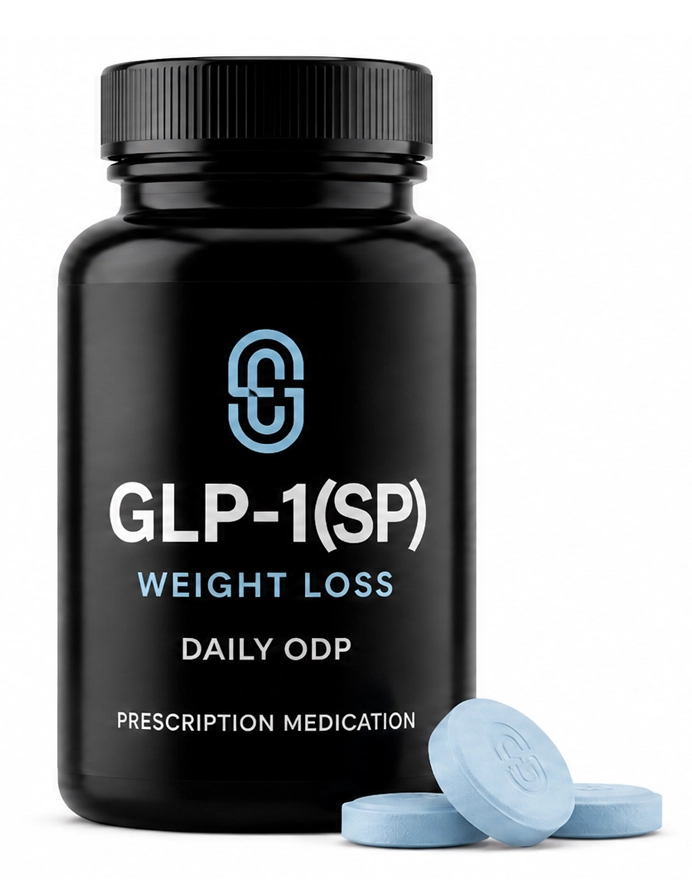
GLP SP 2mg
Daily dissolvable GLP-1 to curb appetite and drop weight.
- Curbs Appetite
- Daily Dissolvable Tablet
- Steady, Lasting Results

GLP T 3mg
Dual-action GLP-1 for stronger appetite control.
- Dual-Action Formula
- Daily Dissolvable Tablet
- Maximum Appetite Control

Berberine with Ceylon Cinnamon
Natural metabolic support for blood sugar and weight.
- Supports Healthy Metabolism
- Balances Blood Sugar
- Once-Daily Tablet
How the study worked
Researchers asked 200 elementary kids to play a video game. One group played a game that involved fatty snacks on the screen, the other had fruit on the screen. After playing the games, kids were allowed to select a snack. Their choices were candy or fruit. Kids that played the healthy video game were no more likely to pick up an apple than those who played the fatty video game, researchers said.
“I think that the game elicits hunger, and children like (high calorie) snacks more than fruit snacks, so they chose the (high calorie) snacks,” the study’s lead author Frans Folkvord told Reuters Health.
More advergames hit the internet
Advertisers are using more advergames on their website to promote their products.
“The association between having fun and seeing the product is designed to get you to influence your view of the product,” said Sandra Calvert, a professor at Georgetown University who was not involved in the Dutch study.
“Children are not aware of the intentions of the marketers,” said Folkvord, a graduate student at the University of Amsterdam. “Parents have to teach their children to be skeptical about those games.”

A separate study looked into how children get their hands on junk food. The answer isn’t surprising; research shows it typically comes from parents.
Children are skilled at getting what they want, especially when they are in the grocery store.
Researchers say kids bug their parents until the get what they want, researchers call it the “nag factor” and it plays a big role in what gets put into the shopping cart.
To learn more about this study, check out a recent post on Edrugstore.com: How Do Kids Get Parents to Buy Junk Food?
