
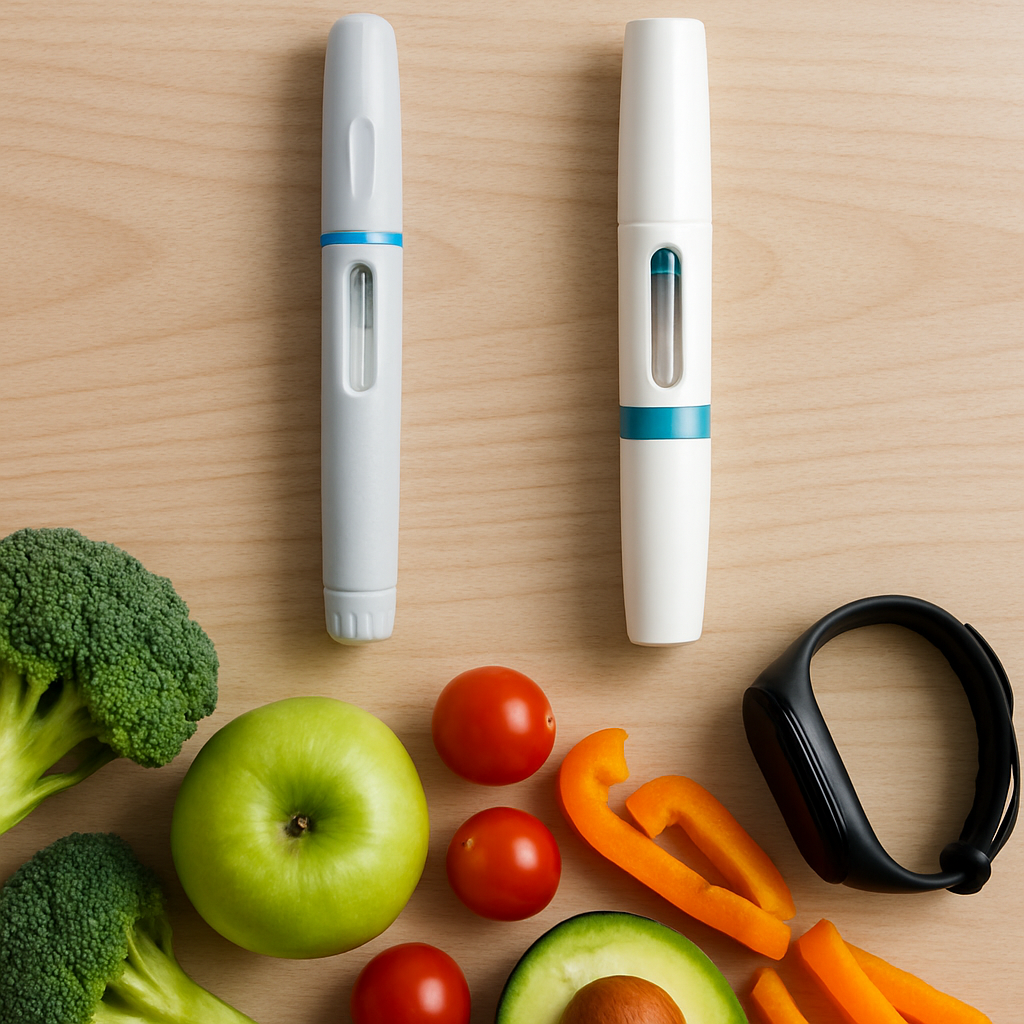

Reach Your Goal Weight. Prescribed. Proven. Private.
Doctor-prescribed GLP-1 weight loss treatments delivered discreetly to your door.
Physicians
Private
Delivery
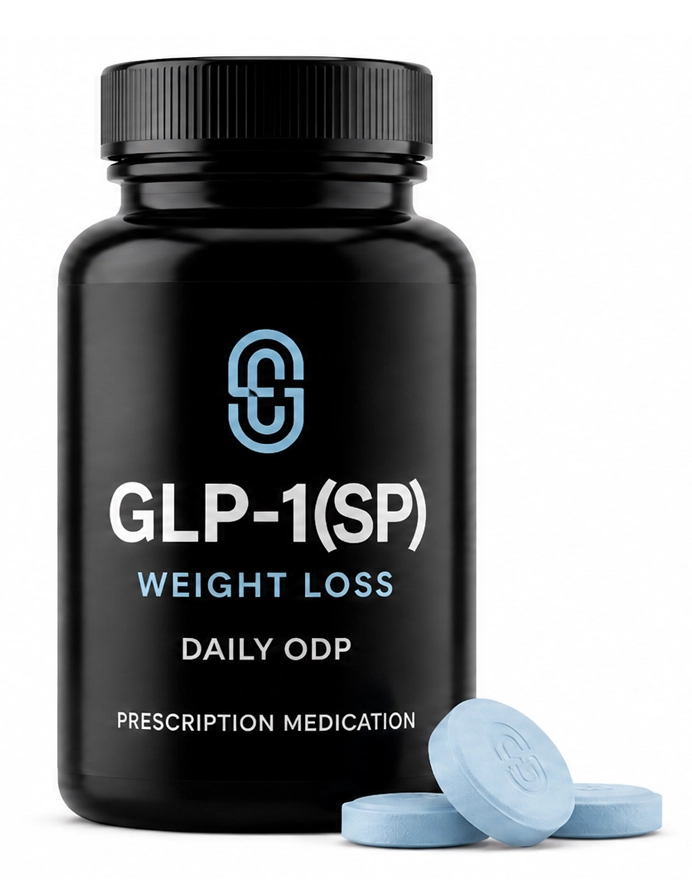
GLP SP 2mg
Daily dissolvable GLP-1 to curb appetite and drop weight.
- Curbs Appetite
- Daily Dissolvable Tablet
- Steady, Lasting Results

GLP T 3mg
Dual-action GLP-1 for stronger appetite control.
- Dual-Action Formula
- Daily Dissolvable Tablet
- Maximum Appetite Control

Berberine with Ceylon Cinnamon
Natural metabolic support for blood sugar and weight.
- Supports Healthy Metabolism
- Balances Blood Sugar
- Once-Daily Tablet
If you’ve been reading anything about weight loss medications this year, the tirzepatide vs semaglutide question has probably come up more than once. Both drugs have transformed how doctors approach obesity. Both get talked about like they’re the same thing. They aren’t.
The honest answer to "which one works better" is more interesting than the headlines suggest. On average, tirzepatide produces more weight loss. But average isn’t everyone, and the right choice depends on your side effect tolerance, your insurance, and what your body actually does on the medication.
Here’s what the evidence actually shows, in plain English.
How Each Drug Works
Semaglutide (sold as Wegovy for weight loss and Ozempic for type 2 diabetes) is a GLP-1 receptor agonist. It mimics a gut hormone that tells your brain you’re full, slows how fast your stomach empties, and lowers blood sugar. It’s FDA-approved for chronic weight management in adults with obesity or overweight with a weight-related condition.
Tirzepatide (Mounjaro for diabetes, Zepbound for weight loss) does everything semaglutide does, plus it activates a second gut hormone receptor called GIP. That dual mechanism seems to be what drives the stronger appetite suppression and metabolic effects. The FDA approved Zepbound for chronic weight management in late 2023.
Same drug family. Different mechanism. That difference matters clinically.
Tirzepatide vs Semaglutide: The Weight Loss Numbers
The head-to-head data is now clear enough that most obesity specialists have a preferred answer.
In the SURMOUNT-1 trial, patients on the highest dose of tirzepatide lost around 20.9% of body weight over 72 weeks. Semaglutide’s STEP 1 trial showed about 14.9% loss at 68 weeks on the 2.4 mg dose. A 2025 NEJM head-to-head trial (SURMOUNT-5) directly comparing the two found tirzepatide produced roughly 20% weight loss versus about 14% with semaglutide over 72 weeks.
So on paper, tirzepatide vs semaglutide favors tirzepatide by roughly 5 to 6 percentage points of total body weight. For a 220-pound patient, that’s the difference between losing about 33 pounds and losing about 44 pounds.
But averages hide a lot. In practice, some patients lose 25% on semaglutide and plateau on tirzepatide. Body chemistry varies more than trial abstracts suggest.
Side Effects: More Similar Than Different
Both drugs share the same core side effect profile because they hit the same GLP-1 receptor. What you’ll typically see:
- Nausea, especially in the first four to eight weeks
- Constipation or diarrhea (sometimes alternating, frustratingly)
- Reflux, burping, that "food sits too long" feeling
- Fatigue during dose escalations
- Rare but serious: pancreatitis, gallbladder problems, and a boxed warning about thyroid C-cell tumors seen in rodents
Tirzepatide’s GIP activity may cause slightly more GI upset in some patients at higher doses, though tolerability overall is comparable. If you’re weighing which side effects matter most to you, our breakdown of semaglutide warning signs worth calling your doctor about covers the ones that shouldn’t be ignored.
What I tell patients: the first month is the hardest on either drug. Most nausea fades. If it doesn’t, that’s a conversation with your prescriber about slowing the titration, not quitting.
Dosing and Convenience
Both are once-weekly subcutaneous injections. Both come in pre-filled pens. Both require gradual dose escalation over months to minimize side effects. Your prescriber will determine the right starting dose and titration schedule for you based on how you tolerate each step.
Semaglutide for weight loss tops out at 2.4 mg weekly. Tirzepatide has five maintenance doses ranging from 5 mg to 15 mg weekly, giving more room to fine-tune.
That flexibility is underrated. If you’re doing well at a lower tirzepatide dose, there’s less pressure to push higher.
Cost, Coverage, and Access
Here’s where the tirzepatide vs semaglutide comparison gets uncomfortable. List prices for both hover around $1,000 to $1,350 per month without insurance. Coverage for weight-loss indications is spotty. Medicare still doesn’t cover either for obesity alone, though CMS has expanded coverage when these drugs are prescribed for cardiovascular risk reduction in patients who also have obesity.
Manufacturer savings programs help commercially insured patients considerably. Both Eli Lilly (tirzepatide) and Novo Nordisk (semaglutide) offer copay cards, and Lilly has direct-to-patient vial pricing for Zepbound that’s meaningfully lower than pen pricing.
Compare current pricing and consultation options for GLP-1 medications at edrugstore.com to see what’s realistic for your situation.
If you’re new to this whole class and still figuring out how these drugs behave, our guide on how GLP-1 weight loss medications actually work is a solid starting point. For a look at the older GLP-1 that started the category, Saxenda vs Wegovy compared shows how far the class has come in a few years.
Who Should Consider Which?
There’s no universal winner. But there are patterns.
Tirzepatide tends to be the stronger pick if:
- You have a lot of weight to lose (say, 50+ pounds) and want maximum efficacy
- You have type 2 diabetes alongside obesity, where its dual mechanism gives better glucose control
- You’ve tried semaglutide and plateaued or hit tolerance issues at target dose
Semaglutide may be the better fit if:
- Your insurance covers it but not tirzepatide (still common)
- You have established cardiovascular disease, where semaglutide has dedicated FDA labeling for cardiovascular risk reduction
- You’ve had trouble with GI side effects on other drugs and want a slightly gentler ramp
Body weight, blood sugar, cost, coverage, and side effect history. That’s the actual decision framework, not the headline number.
The Bottom Line
In the tirzepatide vs semaglutide contest, tirzepatide wins on average weight loss by a meaningful margin, but semaglutide isn’t a consolation prize. It has more cardiovascular outcome data behind it, broader insurance uptake, and works extremely well for many patients who never need to graduate to something stronger.
Talk to your prescriber about your weight-loss goals, other conditions, and what your insurance will actually cover before making the call. And ask your pharmacist about savings programs on both drugs. The one you can afford to stay on for a year is almost always the one that works best.
This article is for informational purposes only and is not medical advice. Always consult a licensed pharmacist or physician before starting, stopping, or changing any medication.
References
- FDA approval of semaglutide (Wegovy) for chronic weight management, confirms indication and regulatory status.
- FDA approval of tirzepatide (Zepbound) for chronic weight management, confirms indication and regulatory status.
- NEJM SURMOUNT-5 head-to-head trial data (PubMed), direct comparison of tirzepatide vs semaglutide efficacy.
- NIH background on GLP-1 mechanisms, mechanism-of-action reference.
- CMS policy on obesity medication coverage, Medicare and coverage context.

Dr Steven Schlosser
Dr. Schlosser graduated from Lafayette College Phi Beta Kappa and attended Georgetown Medical School. He had 4 years of medical residency training at Tufts University in Boston in both Gynecology and Internal Medicine. He has had a spotless medical career for the past 40+ years and is Board Certified. Learn More