

Reach Your Goal Weight. Prescribed. Proven. Private.
Doctor-prescribed GLP-1 weight loss treatments delivered discreetly to your door.
Physicians
Private
Delivery
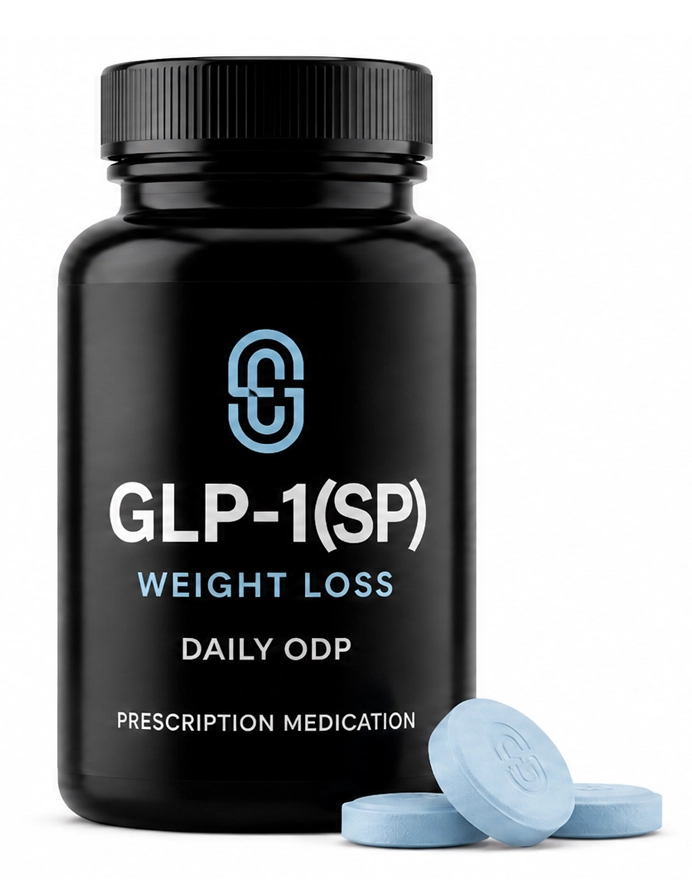
GLP SP 2mg
Daily dissolvable GLP-1 to curb appetite and drop weight.
- Curbs Appetite
- Daily Dissolvable Tablet
- Steady, Lasting Results

GLP T 3mg
Dual-action GLP-1 for stronger appetite control.
- Dual-Action Formula
- Daily Dissolvable Tablet
- Maximum Appetite Control

Berberine with Ceylon Cinnamon
Natural metabolic support for blood sugar and weight.
- Supports Healthy Metabolism
- Balances Blood Sugar
- Once-Daily Tablet
Most people starting semaglutide expect some nausea. That part is well-known, and honestly, it’s usually manageable. What catches patients off guard are the semaglutide side effects that aren’t on the front of the pamphlet, the ones that sneak up around week six or eight and don’t feel quite right.
Some of those symptoms are annoying but harmless. A few are signals your prescriber genuinely needs to hear about, sometimes the same day. Knowing the difference is the difference between an easy dose adjustment and an ER visit.
Semaglutide, sold as Ozempic, Wegovy, and Rybelsus, is FDA-approved for type 2 diabetes and chronic weight management. It works well for a lot of people. But like any drug that changes how your gut and pancreas behave, it deserves respect.
What Counts as a "Normal" Side Effect Versus a Warning Sign
The typical semaglutide side effects during the first month or two include nausea, mild constipation or diarrhea, burping, fatigue, and a smaller appetite. According to Mayo Clinic’s overview, these tend to peak with each dose increase and settle down over one to three weeks.
What I tell patients is this: symptoms that are uncomfortable but stable, and improving, are usually fine to ride out with dietary tweaks. Symptoms that are getting worse, or coming with new red-flag features like severe pain, vomiting that won’t stop, or vision changes, are not something to wait on.
Here are the seven that matter most.
1. Severe or Persistent Abdominal Pain
The one you cannot ignore. Semaglutide has a known association with acute pancreatitis, and the FDA prescribing information lists it as a warning.
Call your doctor if you have:
- Sharp, steady pain in the upper abdomen that radiates to your back
- Pain that gets worse when you eat
- Pain paired with nausea and vomiting that won’t quit
This is not the mild queasy feeling most people get. This is pain that stops you in your tracks.
2. Vomiting That Won’t Stop
Nausea in the first week? Common. Vomiting more than a few times a day, or being unable to keep fluids down for more than 24 hours? That’s a call.
Prolonged vomiting on a GLP-1 drug leads to dehydration fast, and dehydration on semaglutide has been linked to acute kidney injury. If you’re peeing less, feeling lightheaded when you stand, or your mouth feels like sandpaper, don’t try to tough it out.
3. Signs of Gallbladder Trouble
Rapid weight loss of any kind raises gallstone risk, and semaglutide is no exception. Watch for:
- Pain in the upper right belly, especially after fatty meals
- Yellowing of the eyes or skin
- Clay-colored stools
- Fever with any of the above
Gallbladder issues are common enough that if you’re comparing options, the side effect profile between semaglutide and tirzepatide is worth reviewing with your prescriber.
4. Racing Heart or New Palpitations
Semaglutide can bump your resting heart rate up by a few beats per minute. Usually not a big deal. But if you’re feeling your heart pound, skip beats, or race for no reason, especially with lightheadedness or chest discomfort, that needs a same-day evaluation.
This is one of the semaglutide side effects that gets underreported because patients assume it’s anxiety or caffeine. Sometimes it is. Sometimes it isn’t.
5. Vision Changes (Especially If You Have Diabetes)
For patients using semaglutide for type 2 diabetes, rapid improvements in blood sugar can temporarily worsen diabetic retinopathy. The NIH has documented this effect in the SUSTAIN-6 trial.
Blurry vision, floaters, dark spots, or any sudden change in how you see should trigger a call to your prescriber and, ideally, your eye doctor. Don’t wait for your annual exam.
6. Symptoms of Low Blood Sugar
Semaglutide by itself rarely causes hypoglycemia. But if you’re also on insulin or a sulfonylurea like glipizide, the combination can drop your sugar hard.
Warning signs:
- Shakiness, sweating, sudden hunger
- Confusion or trouble concentrating
- Dizziness or fainting
- Pounding heart with clamminess
Keep glucose tabs or juice on hand during the first few weeks of any dose change. And ask your prescriber whether your other diabetes medications need to be dose-adjusted, which they often do. If you want more context on the broader safety picture, the FDA warnings around Ozempic and Wegovy are worth reading through.
7. A Lump or Swelling in the Neck
Rare, but this is the one on the boxed warning. Semaglutide carries a warning about medullary thyroid carcinoma based on rodent studies, and the drug is contraindicated in anyone with a personal or family history of MTC or MEN 2 syndrome.
Call your doctor if you notice:
- A new lump or swelling at the front of your neck
- Persistent hoarseness that isn’t from a cold
- Trouble swallowing
- Shortness of breath that came on gradually
The absolute risk in humans appears low, but "low" is not "zero," and thyroid issues are much easier to address early.
When to Call Versus When to Go to the ER
Call your prescriber the same day for: persistent vomiting, jaundice, upper-belly pain that isn’t easing, vision changes, or a neck lump.
Go to the ER for: severe abdominal pain radiating to the back, chest pain, fainting, signs of severe dehydration, or symptoms of a serious allergic reaction like throat swelling or trouble breathing.
If you’re weighing whether semaglutide is even the right fit for you, comparing it to alternatives like liraglutide for weight loss can help you have a more informed conversation with your prescriber. You can also compare pricing on GLP-1 options at edrugstore.com if cost is part of the decision.
The Bottom Line
Most patients tolerate semaglutide reasonably well, and most semaglutide side effects fade with time or a slower titration. The point of knowing the seven warning signs above isn’t to scare you off a medication that helps millions of people. It’s to make sure that if something feels wrong, you act on it early rather than late.
If you notice any of these symptoms, don’t wait for your next scheduled appointment. Call your prescriber, describe what’s happening, and let them decide whether to adjust your dose, pause the drug, or run further tests. Talk to a edrugstore.com pharmacist if you have questions about interactions with your other medications before your next injection.
This article is for informational purposes only and is not medical advice. Always consult a licensed pharmacist or physician before starting, stopping, or changing any medication.
References
- FDA: Medications Containing Semaglutide, official FDA statement on approved uses and safety concerns.
- Mayo Clinic: Semaglutide Subcutaneous Route, patient-facing overview of typical and serious side effects.
- FDA Prescribing Information for Semaglutide, full label including boxed warnings and pancreatitis risk.
- NIH/PubMed: SUSTAIN-6 Trial, cardiovascular outcomes and retinopathy signal in semaglutide-treated patients.

Dr Steven Schlosser
Dr. Schlosser graduated from Lafayette College Phi Beta Kappa and attended Georgetown Medical School. He had 4 years of medical residency training at Tufts University in Boston in both Gynecology and Internal Medicine. He has had a spotless medical career for the past 40+ years and is Board Certified. Learn More