

Reach Your Goal Weight. Prescribed. Proven. Private.
Doctor-prescribed GLP-1 weight loss treatments delivered discreetly to your door.
Physicians
Private
Delivery
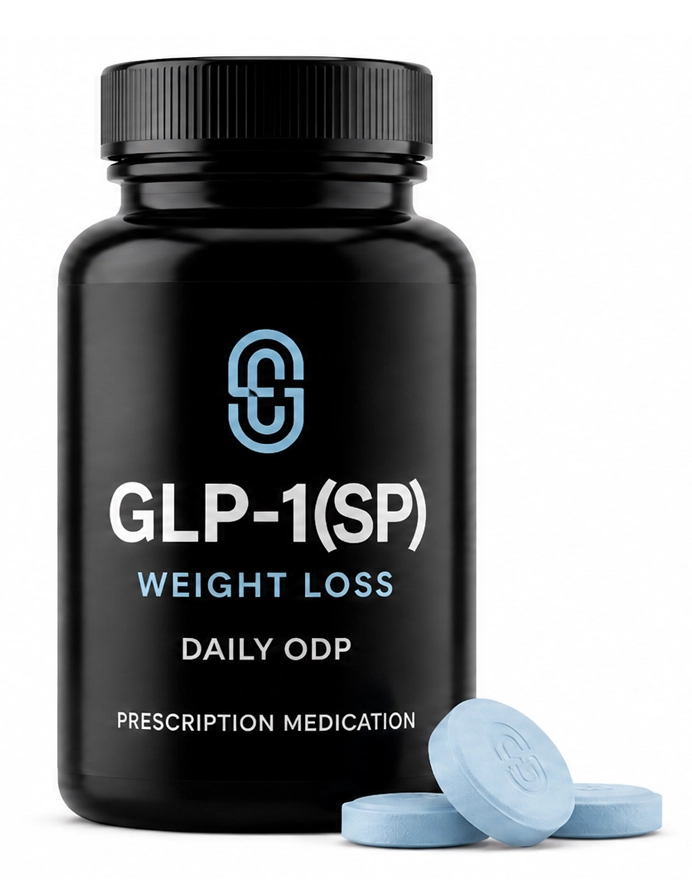
GLP SP 2mg
Daily dissolvable GLP-1 to curb appetite and drop weight.
- Curbs Appetite
- Daily Dissolvable Tablet
- Steady, Lasting Results

GLP T 3mg
Dual-action GLP-1 for stronger appetite control.
- Dual-Action Formula
- Daily Dissolvable Tablet
- Maximum Appetite Control

Berberine with Ceylon Cinnamon
Natural metabolic support for blood sugar and weight.
- Supports Healthy Metabolism
- Balances Blood Sugar
- Once-Daily Tablet
If you’ve been prescribed tirzepatide for weight loss, or you’re weighing whether to ask your doctor about it, the side-effect conversation is probably the one keeping you up at night. That’s reasonable. Tirzepatide (sold as Zepbound for weight management and Mounjaro for type 2 diabetes) is genuinely effective, but it’s also a powerful medication that does real things to your gut, your appetite, and sometimes your gallbladder.
The good news is that most side effects are predictable, manageable, and tend to fade after the first few months. The less-good news is that a small number of patients run into problems that need medical attention. Knowing the difference matters.
Below are the seven side effects worth understanding before your first injection, drawn from the FDA prescribing information for Zepbound and what shows up most often in real-world practice.
How tirzepatide works (and why side effects happen)
Tirzepatide is a dual GIP and GLP-1 receptor agonist. In plain English, it mimics two gut hormones that tell your brain you’re full, slow down stomach emptying, and improve how your body handles insulin. That’s why it works so well for weight loss. It’s also why most of the side effects involve your digestive system. You’re chemically telling your gut to slow down, so it slows down.
In the SURMOUNT-1 trial published in NEJM in 2022, patients on the highest dose lost an average of about 21% of body weight over 72 weeks. Impressive numbers. But roughly 4 to 7% of participants stopped the drug because of side effects, mostly GI ones.
If you want a broader primer on this whole drug class before getting into specifics, our overview of how GLP-1 weight loss medications work is a good starting point.
1. Nausea
This is the most common complaint, full stop. Roughly one in four patients report nausea, particularly in the first two to four weeks after starting or after a dose increase. For most people it’s mild, comes and goes, and improves as the body adjusts.
What helps in practice: smaller meals, eating slowly, avoiding greasy or very rich food, and not lying down right after eating. If nausea is severe or you’re vomiting more than once or twice, call your prescriber before your next dose.
2. Diarrhea or constipation (sometimes both)
About 1 in 5 patients get diarrhea, and a similar share get constipation. Some unlucky people alternate. This is your gut adjusting to slower motility and changed eating patterns.
Hydration and fiber usually help constipation. For diarrhea, sticking with bland foods for a few days is usually enough. Persistent diarrhea past a week warrants a call.
3. Vomiting
Distinct from nausea, actual vomiting affects about 10% of patients at higher doses. It’s most common after rapid dose increases. This is one reason the titration schedule starts at 2.5 mg weekly and steps up slowly. Don’t rush the schedule, even if early weight loss is slower than you hoped.
4. Injection site reactions
Redness, itching, or a small bump at the injection site happens in a minority of patients. Rotating sites (abdomen, thigh, upper arm) and letting the pen come to room temperature before injecting both help. True allergic reactions are rare but possible. Hives, swelling of the face or throat, or trouble breathing means stop and seek emergency care.
5. Gallbladder problems
Rapid weight loss of any kind raises gallstone risk, and tirzepatide for weight loss is no exception. Around 0.6% of trial participants developed gallbladder disease, including cholecystitis. Symptoms to watch for: sharp, persistent pain in the upper right abdomen, especially after a fatty meal, sometimes radiating to the right shoulder, often with nausea.
6. Pancreatitis (rare but serious)
This is the side effect that makes prescribers most cautious. Acute pancreatitis was reported in a small number of trial patients. The hallmark symptom is severe, persistent upper-abdominal pain that often radiates to the back, frequently with vomiting. If this happens, stop the medication and get evaluated immediately. The NIH MedlinePlus page on tirzepatide lists this as a reason to seek urgent care.
7. Low blood sugar (mostly if combined with other diabetes meds)
Tirzepatide on its own rarely causes hypoglycemia in people without diabetes. But if you’re also on insulin or a sulfonylurea, the risk goes up significantly. Your prescriber may lower those doses when starting tirzepatide. Symptoms include shakiness, sweating, confusion, and a racing heart. Keep glucose tabs handy if you’re in this group.
What about thyroid concerns?
Tirzepatide carries a boxed warning about thyroid C-cell tumors based on rodent studies. Whether this translates to humans isn’t established, but the drug is contraindicated if you have a personal or family history of medullary thyroid carcinoma or MEN 2 syndrome. Always disclose your full family history to your prescriber.
Cost, alternatives, and what to compare
Tirzepatide isn’t the only option. If you’re weighing your choices, our comparisons of semaglutide vs tirzepatide for weight loss and Wegovy vs Zepbound side effects and results lay out the trade-offs in detail. Effectiveness, side-effect profile, and cost all differ.
Speaking of cost, GLP-1 medications run roughly $1,000 to $1,300 per month without insurance coverage. Many patients find that comparing prices and pharmacy options at edrugstore.com helps bring that number down. Manufacturer savings cards can also help if you have commercial insurance.
When to call your doctor
Call promptly if you experience:
- Severe or persistent abdominal pain
- Vomiting that prevents you from keeping fluids down
- Signs of an allergic reaction
- Symptoms of low blood sugar that don’t resolve quickly
- Yellowing of the eyes or skin
- A neck lump, hoarseness, or trouble swallowing
The bottom line
Tirzepatide for weight loss works, and for many patients it works dramatically. Most side effects are GI, most are temporary, and most can be managed with a careful titration schedule and basic dietary adjustments. The rare-but-serious ones (pancreatitis, gallbladder disease, thyroid concerns) are worth knowing so you can act fast if symptoms appear. Talk to your prescriber about your full medical and family history before starting tirzepatide for weight loss, and don’t hesitate to call if something feels off in those first few weeks.
This article is for informational purposes only and is not medical advice. Always consult a licensed pharmacist or physician before starting, stopping, or changing any medication.
References
- FDA Prescribing Information for Zepbound (tirzepatide), official label, indications, and warnings.
- NEJM, SURMOUNT-1 trial (2022), pivotal efficacy and adverse-event data for tirzepatide in weight management.
- MedlinePlus: Tirzepatide Injection, patient-facing summary of side effects and when to seek care.

Dr Steven Schlosser
Dr. Schlosser graduated from Lafayette College Phi Beta Kappa and attended Georgetown Medical School. He had 4 years of medical residency training at Tufts University in Boston in both Gynecology and Internal Medicine. He has had a spotless medical career for the past 40+ years and is Board Certified. Learn More