

Reach Your Goal Weight. Prescribed. Proven. Private.
Doctor-prescribed GLP-1 weight loss treatments delivered discreetly to your door.
Physicians
Private
Delivery
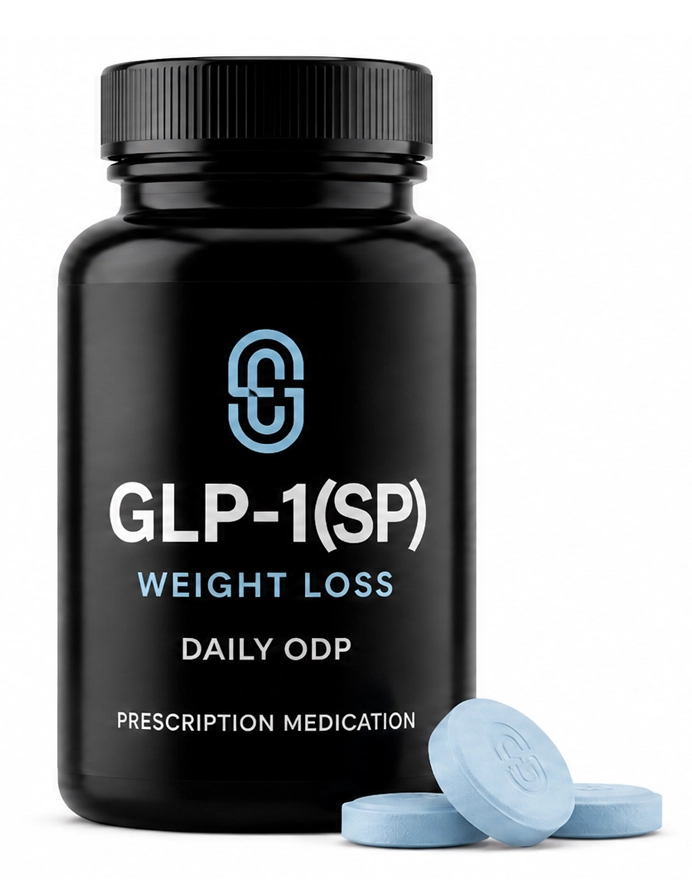
GLP SP 2mg
Daily dissolvable GLP-1 to curb appetite and drop weight.
- Curbs Appetite
- Daily Dissolvable Tablet
- Steady, Lasting Results

GLP T 3mg
Dual-action GLP-1 for stronger appetite control.
- Dual-Action Formula
- Daily Dissolvable Tablet
- Maximum Appetite Control

Berberine with Ceylon Cinnamon
Natural metabolic support for blood sugar and weight.
- Supports Healthy Metabolism
- Balances Blood Sugar
- Once-Daily Tablet
 A new study shows obese patients in need of a kidney transplant are often turned down because of their weight. A study, done by a team of researchers at Johns Hopkins, shows a form of discrimination within a process that is supposed to be unbiased.
The study
The team revealed that morbidly obese patients, those who on average weigh 100 pounds more than their ideal weight, are on the transplant waiting list for a median of five years. That is two years more than the median wait time for a patient of normal weight. Obese patients are 44 percent less likely than normal-weight patients to ever receive a kidney transplant, the researchers report.
The problem
The longer a patient waits for a kidney, the sicker they get. Johns Hopkins transplant surgeon Dorry Segev, M.D., who led the study, suggests obese patients are turned down because they have a lower success rate.
“Being overweight should not be a disqualifying and discriminating factor against these patients,” Segev says.
 “Patients understandably believe that being placed on the transplant waiting list is an implicit promise of fair, unbiased treatment under a transparent allocation scheme,” Segev says. “Unfortunately, the system that has been established nationally may not be living up to that promise.”
A potential solution
As the obesity rates continue to rise across the country, so do the number of obese patients on the transplant waiting list. The number of obese patients added to the list has increased by more than 200 percent from 1995 to 2005.
Segev has suggested obese patients undergo gastric bypass surgery once their name is put on the list. This will reduce their weight and give them a chance to stabilize while waiting for an organ. As their weight decreases and health improves, their chances for a transplant should also increase.
The Johns Hopkins study results are published in the Journal of the American Society of Nephrology.
