


Effective ED Treatment. Private. Convenient. Trusted.
Doctor-prescribed ED medication delivered discreetly to your door.
Physicians
Private
Delivery

ED3 Max Dissolvable ED Pills
Long-lasting results up to 36 hours.
- Up to 36 Hour Window
- Improved Confidence
- Works When You Need It

Sildenafil 25mg
Proven effective treatment.
- Starts Working in 30–60 Min
- Effective, As Needed
- Trusted & Reliable
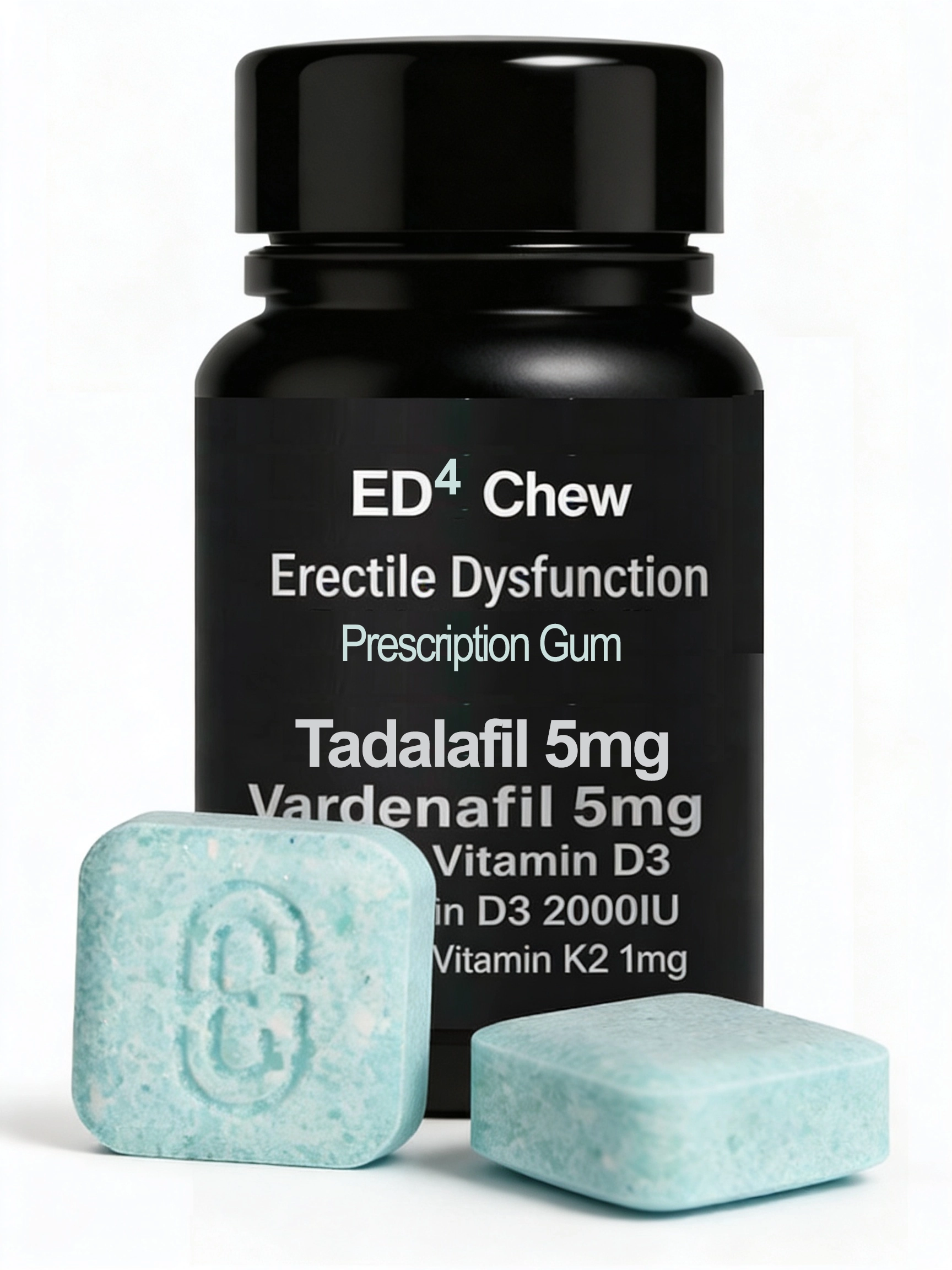
ED4 Chew Gum
Low daily dose for continuous readiness.
- Taken Once Daily
- Continuous Readiness
- Improves Confidence
Highlights
- LUTS (lower urinary tract symptoms) encompass various urinary problems that can impact daily life.
- LUTS are more common in older men, and can be related to lifestyle factors and certain health conditions.
- Recent research reveals a link between managing LUTS and a reduced risk of death.
- Treatment options for LUTS include lifestyle changes, medications, and surgical interventions.
- Erectile dysfunction (ED) medications like Cialis (tadalafil) can help to treat the underlying causes of LUTS and ED associated with LUTS.
When it comes to our health, there are many aspects we keep an eye on, but one that often gets less attention is our lower urinary tract. Lower urinary tract symptoms (LUTS) encompass a range of issues related to how we store and release urine.
According to a new study, appropriate treatment for LUTS may help to reduce the risk of death.
The Study: An Overview

The 2023 study, published in the Journal of Urology, concluded that managing LUTS can help you to live a longer, healthier life. Researchers set out to determine if male LUTS were linked to risk of death, and the results were remarkable.
Methods
Researchers analyzed the Medical Treatment of Prostate Symptoms (MTOPS) trial of placebo, doxazosin, finasteride, or doxazosin and finasteride. This trial involved over 3,000 men aged over 50 with moderate to severe LUTS. They examined participant American Urological Association (AUA) Symptom Scores and health outcomes to explore the potential link between LUTS and mortality risk.
Key Findings
The results suggest an intimate connection between LUTS and risk of death. Key findings included:
- Risk of death decreases as symptoms improve. Every one-point improvement in the AUA Symptom Score was associated with a decreased risk of death, suggesting that managing LUTS could extend life.
- Active treatment is better than placebo. Active treatment had a more significant impact on reducing the risk of death compared to a placebo, emphasizing the importance of intervention.
- Improvement across subscales also matters. Small improvements in the storage and voiding subscales also correlated with a lower risk of death.
Why This Study Is Important
These findings challenge the common notion that urinary symptoms are nothing more than an annoyance. It shows that LUTS could have a more profound impact on our overall health than previously thought.
This suggests that the way we address urinary symptoms might need a reevaluation, with a potential focus on early treatment. While more research is needed, the study hints at the idea that tackling LUTS could not only improve your quality of life but also potentially lead to a longer, healthier life.
What Are LUTS?
Lower urinary tract symptoms (LUTS) cover a range of urinary problems. LUTS can manifest in many different ways and vary in severity. They can be mild or incredibly disruptive to your daily life.
LUTS are divided into two categories, storage and voiding. Put simply, LUTS affect how you store urine or how you urinate.
Storage Symptoms
Common problems linked to storage include:
- Accidentally urinating or “dribbling” when you cough, sneeze, or laugh or during strenuous physical activities
- Feeling like your bladder fills up quickly
- Frequent need to urinate, day and night
- Sudden urges to urinate that are difficult to control
Voiding Symptoms
Common symptoms linked to voiding include:
- A weak urine stream or a stream that starts and stops
- Difficulty urinating or straining to urinate
- Feeling like you can’t empty your bladder
- Painful urination
Demographics Most Affected
LUTS are actually quite common for both men and women. Research shows that LUTS are most common in men. In fact, more than half of men aged 51 and older experience LUTS.
Many people assume that LUTS is an unfortunate, but inevitable, part of aging. But mounting evidence suggests that certain lifestyle factors and health conditions can increase your risk for developing LUTS.
LUTS are also linked to an increased risk for conditions like benign prostate hyperplasia (BPH) and erectile dysfunction (ED).
Lifestyle factors linked to LUTS include:
- Alcohol consumption
- Being physically inactive
- Caffeine consumption
- Environmental exposures
- Smoking
You might be at a higher risk for LUTS if you also have:
- Cardiovascular disease
- Diabetes
- High blood pressure
- High cholesterol
- Obesity
- Pelvic floor dysfunction
- Prostate problems
- Neurologic conditions
- Thyroid disorders
Treatment Options for LUTS
Whether you’re dealing with occasional inconvenience or more troublesome issues, there are several ways to treat LUTS. The right treatment for you will depend on the cause and severity of your symptoms.
Lifestyle Changes
Providers often recommend lifestyle changes as a first-line treatment for managing LUTS. These may include:
- Adjusting fluid intake. You may be advised to decrease the fluids you consume and the timing of your liquid intake to minimize nighttime trips to the bathroom.
- Adjusting medications. Certain medications can contribute to LUTS. Talk to your doctor about potential side effects of your current medications.
- Limiting nicotine, caffeine, and alcohol. Limiting or eliminating these substances from your diet can help reduce the severity of LUTS.
- Maintaining a healthy weight. If you’re overweight or obese, losing weight can alleviate pressure on your urinary system and improve symptoms.
- Routine pelvic floor exercise. Strengthening your pelvic floor muscles through exercises like Kegels can enhance bladder control.
Medications
If you’re suffering from moderate to severe LUTS, your provider may recommend prescription medication to help alleviate your symptoms.
They might prescribe medications that:
- Decrease the size of your prostate
- Prevent spasms in your bladder
- Relax your bladder
- Relax your blood vessels
- Treat related infections
Many men suffering from LUTS also experience ED. Fortunately, the popular ED medication Cialis (tadalafil) can also help to resolve LUTS. Combination treatment with finasteride/tadalafil is also an effective solution recently approved by the FDA to treat the underlying causes of LUTS.
Surgical Options
If you’re struggling with more severe LUTS, your provider might recommend surgical intervention. The type of surgery will depend on the cause and severity of your symptoms.
Surgery and minimally invasive procedures that can be used to treat LUTS include:
- Holmium laser enucleation of the prostate (HoLEP)
- Prostatectomy
- Prostatic urethral lift (PUL)
- Transurethral needle ablation
- Transurethral microwave thermotherapy (TUMT)
- Transurethral resection of the prostate (TURP)
- Temporary implantable nitinol device (TIND)
What Does This Mean for Future Research?
Now that research has linked management of LUTS to the potential for a longer, healthier life, future research can explore this relationship in greater detail. For example, researchers can investigate the strength of these associations and work to identify optimal treatment approaches. This may also help providers to be more proactive in diagnosing and treating LUTS.
Researchers continue to explore ways to improve upon treatments for LUTS and the underlying conditions that cause them, like BPH. This includes ongoing research concerning minimally invasive procedures like Urolift, patient preferences, and cost-effective therapies. The future holds great promise for advancing our understanding and management of LUTS.
Conclusion

You don’t have to accept LUTS as a natural part of aging. Recent research reveals that managing LUTS isn’t just about comfort — early and active treatment could be key to a longer, healthier life.
This surprising insight challenges the idea that urinary symptoms are mere nuisances and highlights the importance of early intervention. Fortunately, there are plenty of options available to help you manage LUTS. Talk to a healthcare provider if you suspect LUTS and get started on the path to finding the treatment that’s right for you.
If you’re dealing with LUTS, various treatment options are available, from lifestyle changes and medications to surgery. This newfound understanding of LUTS sets the stage for exciting future research, aiming to optimize treatment approaches, enhance diagnosis, and improve our management of these symptoms.
In a nutshell, looking after your urinary health could be the pathway to a longer, healthier life.
Better Health and a Better Sex Life with eDrugstore
You have options to regain control over LUTS and their accompanying challenges, including ED.
eDrugstore makes it easy to access FDA-approved solutions for a healthier sex life. Check out our erectile dysfunction medication guide or connect with one of our U.S.-licensed physicians today to discover the right ED treatment for you. Keep in mind that at eDrugstore, medical consultations and shipping are always free.

Shelby is a public health professional with research and field experience in sexual and reproductive health. She holds a Master of Public Health (MPH) and is a Certified Health Education Specialist (CHES).