


Effective ED Treatment. Private. Convenient. Trusted.
Doctor-prescribed ED medication delivered discreetly to your door.
Physicians
Private
Delivery

ED3 Max Dissolvable ED Pills
Long-lasting results up to 36 hours.
- Up to 36 Hour Window
- Improved Confidence
- Works When You Need It

Sildenafil 25mg
Proven effective treatment.
- Starts Working in 30–60 Min
- Effective, As Needed
- Trusted & Reliable
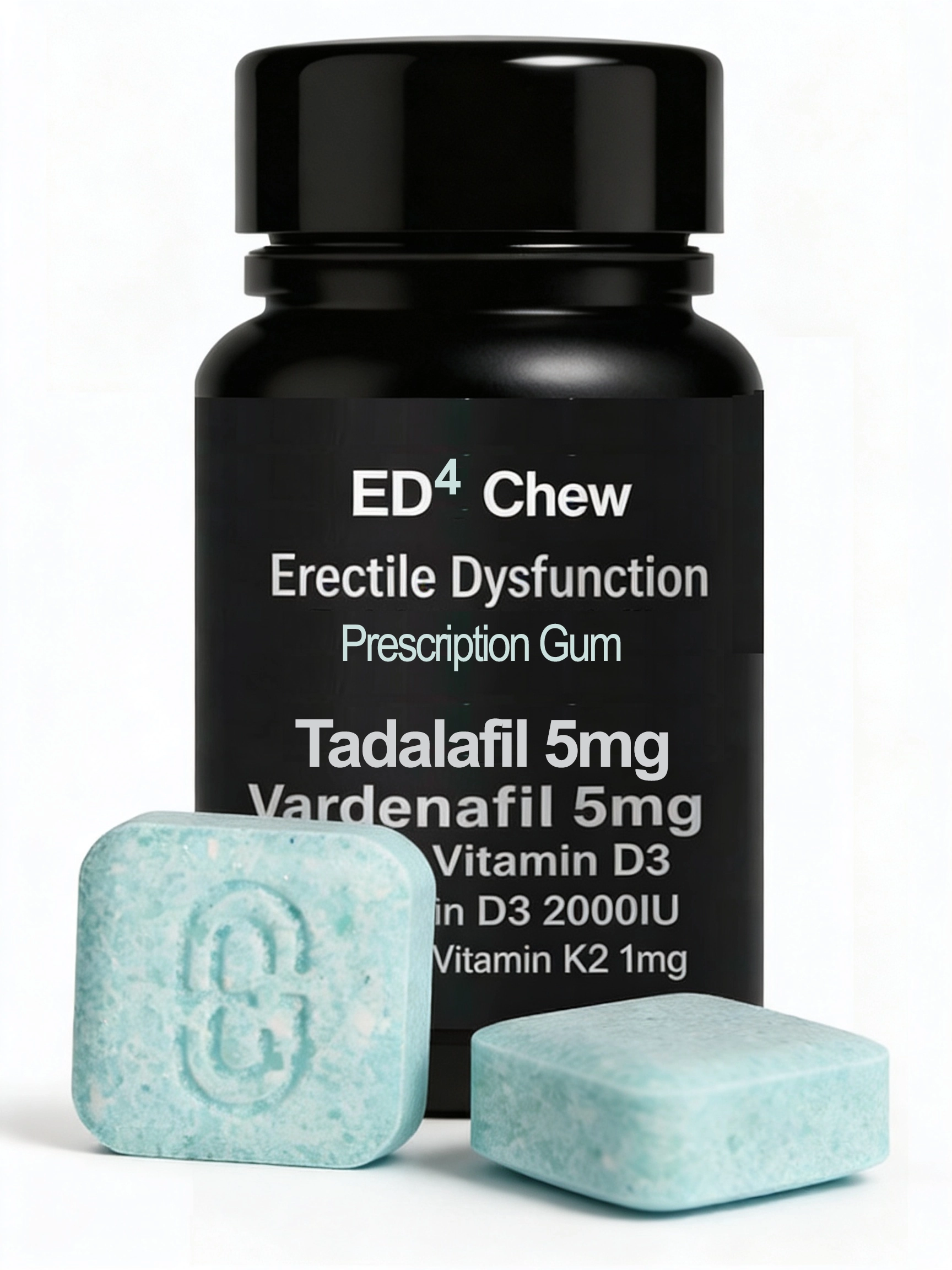
ED4 Chew Gum
Low daily dose for continuous readiness.
- Taken Once Daily
- Continuous Readiness
- Improves Confidence
Highlights
- Recent research suggests a link between erectile dysfunction (ED) and genetics, but it’s unclear if ED runs in families.
- A recent twin study supports the idea that ED is at least partially hereditary, but more research is needed to confirm this link.
- Additional research suggests that gene variations near the SIM1 gene and genetic risk factors for type 2 diabetes are linked to an increased risk for ED.
- Common risk factors for ED include age, lifestyle factors like smoking and obesity, chronic health conditions such as diabetes and heart disease, taking certain medications, and psychological factors like stress and anxiety.
- Reduce your risk for ED by living a healthy lifestyle, including eating a balanced diet, maintaining a healthy weight, getting regular exercise, and managing stress and anxiety.
- Find the support you need for ED, such as free information, complimentary telehealth consultations, and prescription ED medication at eDrugstrore.com.

Michael DiLeo, MD, has over 30 years of experience in clinical and academic medicine. Through medical school, residency, and private practice, he has functioned as both a specialist and a primary care practitioner. He has twice served as chief of staff of a large regional hospital. He is a published author on women's health for McGraw-Hill. Learn More
- The Benefits of Vitamin B12 and When High-Dose Drops Make Sense - July 31, 2025
- List of Nitrates (Don’t Take These With ED Meds!) - December 5, 2023
- Can You Crush Viagra Into Food or Water? - February 6, 2023
We know that penis size is influenced by genetics, but what about sexual function? Recent research suggests that genetics do, indeed, play a role in determining your risk for erectile dysfunction (ED). With approximately 30 million American men facing ED, it’s essential for men to understand their risk factors to prevent and address ED effectively.
Risk Factors for Erectile Dysfunction
Several factors increase your risk for developing ED:
- Age. ED can start at any age, but it’s more common in older men.
- Specific lifestyle factors. Smoking, obesity, and a sedentary lifestyle compromise your overall health and blood flow to your penis.
- Chronic health conditions. Conditions like diabetes, heart disease, and hypertension can lead to nerve damage and circulation problems, which increase your risk for ED.
- Certain medications. The side effects of certain drugs, like antidepressants and antihypertensives, can cause or contribute to ED.
- Psychological factors. Sex and mental health are intimately connected. This means stress, anxiety, and depression increase your risk for sexual dysfunction, including ED.
Understanding your risk factors can help you to take the right steps toward preventing ED or identifying it early on.
Is Erectile Dysfunction Hereditary?
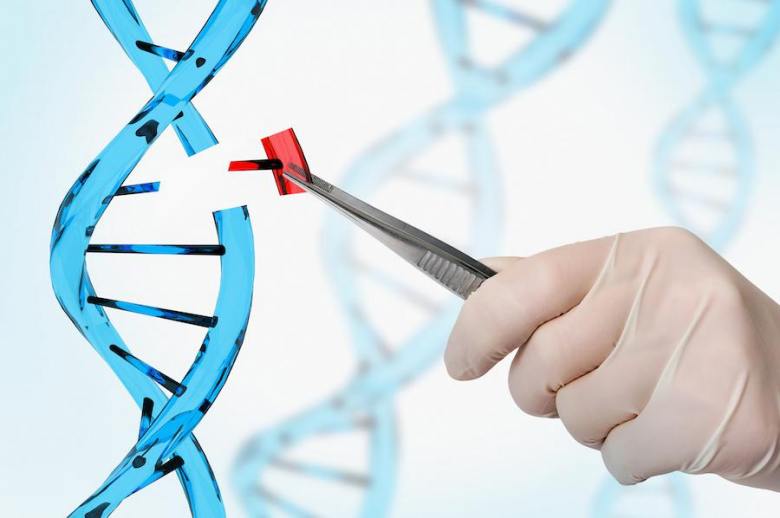
ED isn’t traditionally thought of as a hereditary condition that’s passed down through families. However, recent studies suggest a genetic link that can increase risk for ED. Understanding the genetic components of ED helps to shed light on risk factors and pave the way for potential targeted treatments.
Twin Studies Suggest ED Is Partially Hereditary
Research using data from the Vietnam Era Twin Registry suggests that there’s a genetic link to ED. The study involved 890 pairs of identical twins and 619 pairs of fraternal twins. The researchers estimated that in about 29 percent of them, the ability to get an erection, and in 36 percent of them, the ability to keep an erection, were influenced by genetics.
This key finding highlights the role of genetics in determining ED risk, but additional research is needed to understand this connection.
Gene Variations and ED Risk
New research discovered that certain gene changes can increase risk for ED. Specifically, changes near the SIM1 gene can increase ED risk up to about 26 percent. The study found that these changes do not occur within the SIM1 gene, but close enough to the gene that it affects SIM1 gene function.
The SIM1 gene plays a crucial role in regulating body weight and sexual function. By disrupting how the SIM1 gene operates, these variations ultimately disrupt sexual function and raise ED risk.
Chronic Health Conditions and ED Genetics
Having genes that increase your risk for conditions like type 2 diabetes can indirectly increase your risk for developing ED. Genetic risk factors for type 2 diabetes were directly linked to an increased risk of ED. This suggests a shared genetic pathway between diabetes and ED.
Another large-scale genetic study found that variations near the SIM1 gene might influence ED risk through hypothalamic dysregulation, affecting the brain’s central regulator of many hormonal and autonomic functions. Other Impotence Factors That Can Run in Families
There’s a difference between inheriting a genetic condition directly and having family members who share certain risk factors. Genes matter, but we can’t discount the major roles that lifestyle and individual health factors play in your risk for ED. Some of these lifestyle and health factors run in families.
Other Impotence Factors That Can Run in Families
There’s a difference between inheriting a genetic condition directly and having family members who share certain risk factors. Genes matter, but we can’t discount the major roles that lifestyle and individual health factors play in your risk for ED. Some of these lifestyle and health factors run in families.
Here are some examples.
Medical Conditions and Impotence Factors
Certain medical conditions that contribute to ED risk can run in families. For example, diabetes is known to have an inherited component and is also a known risk factor for ED. Sex and diabetes are closely linked because diabetes can damage blood vessels and nerves that are important to sexual function.
Heart disease is another condition that runs in families and has a direct influence on erectile function. Knowing your family’s medical history and taking steps to manage these conditions early on can help to reduce your risk for ED.
Family Lifestyle Habits
Similar to shared genetics, family members often share lifestyle habits that can play a big role in developing ED. For example, if family members have similar habits like smoking, poor diet, or lack of exercise, it can increase your chances of developing ED. This means you and the other men in your family might all have a shared risk for ED that’s separate from your shared genetics.
Environmental Influences
Environmental factors, such as air pollution, that increase your risk for ED can affect your whole family. Breathing in polluted air can lead to health problems that contribute to ED. Taking steps to reduce exposure to air pollution, like using air purifiers, can help lower the risk for everyone in the family.
Reducing the Risk

The good news is that you can lower your risk for ED, regardless of your genes. ED can be prevented and even managed with the help of a healthy lifestyle.
Eating a Healthy Diet
Diet alone won’t cause or cure ED, but a healthy diet that supports your heart goes a long way toward improving your erectile health. Eating a balanced diet full of fruits, veggies, whole grains, and healthy fats can help keep your heart healthy, ultimately supporting better erections.
Avoiding the worst foods for ED, like processed foods, sugary drinks, and unhealthy fats from red meat and fried foods, can also make a difference. You don’t have to give up all your favorite foods, though. The key to choosing the best diet for ED is finding an option that works for you in a way that balances nutrition and allows for indulgences in moderation.
Staying Active
By staying active and maintaining a healthy weight, you support better blood flow to your penis, which improves erectile health. In fact, physical activity is one of the best ED treatments for men already struggling with ED symptoms.
Any regular exercise approved by your doctor should do the trick. But experts recommend including both cardiovascular exercise and strength training in your exercise routine.
Staying physically active is also, according to the science of the mind-body connection, a great way to avoid depression and other psychiatric dysfunction.
Managing Stress and Mental Health
Taking care of your mental health isn’t just good for your peace of mind, it’s key to maintaining a healthy sex life. Chronic stress, anxiety, and depression can contribute to ED by throwing off your hormone regulation, sleep cycle, and cardiovascular function. This can also contribute to performance anxiety and relationship problems.
You can manage your stress levels and mental health through mindfulness and relaxation techniques, counseling, or group therapy. You might also benefit from seeking the professional support of a sex therapist, who can help you to revitalize your sex life.
Quitting Smoking
Smoking and erectile dysfunction often go hand in hand. Research has shown that smoking heavily can increase the risk of developing ED by up to 53 percent. Quitting smoking improves your cardiovascular health and reduces your risk for ED.
Limiting Alcohol Intake
While temporary ED from drinking usually goes away when you sober up, long-term alcohol use can lead to ongoing sexual health issues. Too much alcohol slows down your body’s communication system, which can affect your ability to get and keep an erection. This means that cutting back on alcohol can lower your risk for developing ED.
Managing Underlying Conditions
Managing chronic conditions like obesity, diabetes, or high blood pressure can greatly lower your risk for ED. These conditions can harm blood vessels and nerves, making it harder to get erections. By controlling them with medication and healthy habits like exercise, you can improve blood flow and nerve function, which helps prevent or ease ED.
Getting Regular Health Check-Ups
Regular check-ups with your doctor are essential to maintaining your overall health and to helping you catch any signs of ED early on. During check-ups, your doctor can monitor your overall health, assess your risk factors for ED, and support you in making any necessary medication or lifestyle changes needed to prevent ED.
Better Health and Better Erections with eDrugstore
Genetics may play a role in ED, but your lifestyle choices and current health conditions are what matter most in the long run. By living a healthy lifestyle and monitoring your overall health, you can reduce your risk for ED.
If you’re worried about ongoing ED symptoms, don’t wait to reach out to a healthcare professional for guidance. They can help identify the underlying causes and recommend tailored treatment options to suit your needs.
At eDrugstore, we’re here to support you every step of the way. We offer complimentary telehealth consultations, convenient free shipping, and competitive prices on prescription ED medications. Visit our erectile dysfunction page today and start your journey towards a fulfilling sex life.
Disclaimer: This article provides general information about health and related topics but is not intended as a substitute for professional medical advice, diagnosis, or treatment. Always seek the advice of your physician or other qualified health provider with any questions you may have regarding a medical condition.

Shelby is a public health professional with research and field experience in sexual and reproductive health. She holds a Master of Public Health (MPH) and is a Certified Health Education Specialist (CHES).