
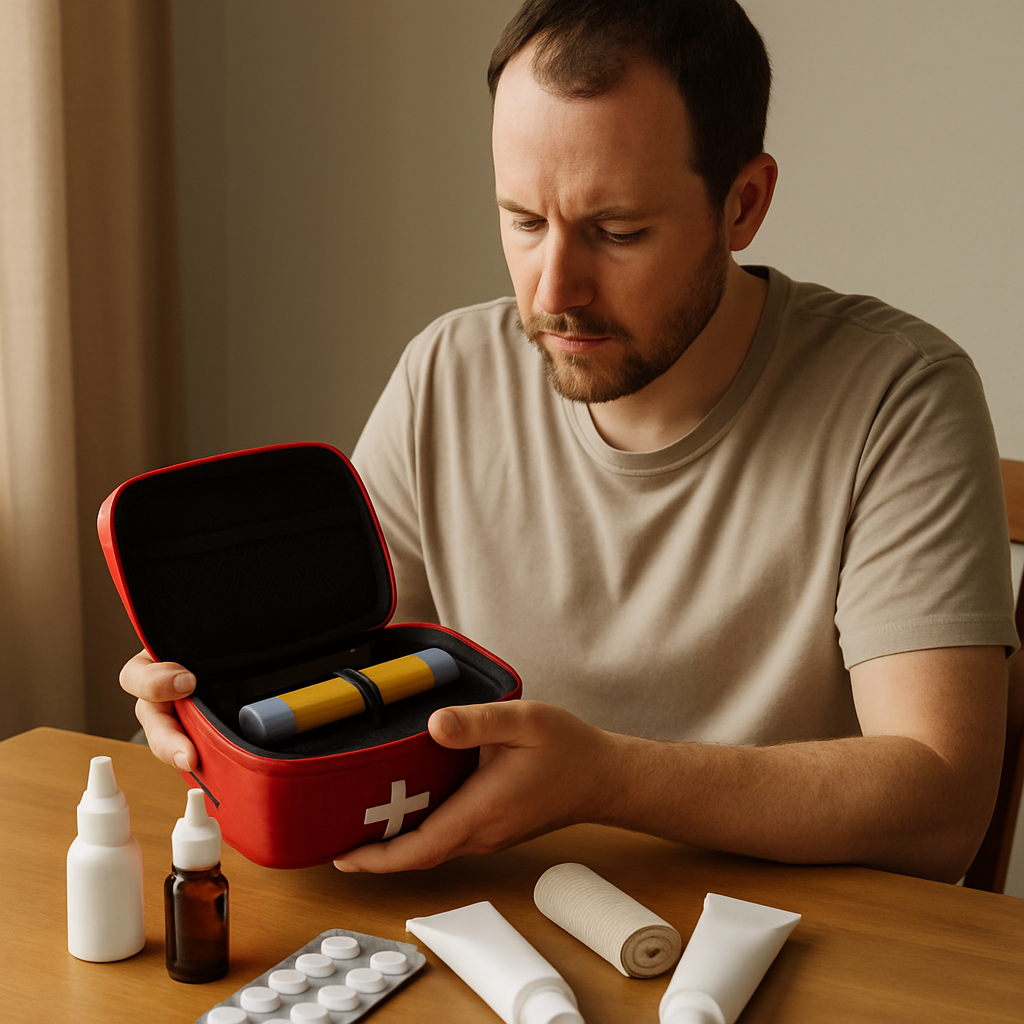

A well-built allergic reaction kit is one of those things you hope you never open. But if someone in your household has a known food allergy, insect sting sensitivity, or a history of unexplained hives that spiraled into something worse, the difference between a calm afternoon and an ambulance ride often comes down to what’s in that bag.
Most people assume a couple of Benadryl tablets in the medicine cabinet counts as preparation. It doesn’t. Anaphylaxis can progress in minutes, and the CDC notes that food allergies alone affect roughly 1 in 13 children in the US, with adult-onset allergies rising as well.
What follows is the actual checklist worth building. Not the marketing version. The clinical one.
Why a Dedicated Allergic Reaction Kit Matters
Reactions don’t wait for convenient timing. They happen at restaurants, on hiking trails, at a friend’s birthday party where the cake had hidden tree nuts. The whole point of a dedicated allergic reaction kit is that it travels with the person at risk and doesn’t get raided for everyday headaches or stuffy noses.
What I tell patients is this: if you have to hunt for it, it’s not a kit. It’s a drawer.
Keep one at home, one in the car, and a smaller version in a bag or backpack. Yes, that’s three. The FDA’s guidance on epinephrine storage emphasizes that auto-injectors should be kept at room temperature and accessible, not buried in a glove box that hits 140°F in July.
The 7 Essential Items for Your Allergic Reaction Kit
1. Two Epinephrine Auto-Injectors
Not one. Two. About 20% of anaphylactic reactions are biphasic, meaning symptoms return hours after the first wave subsides, and sometimes a second dose is needed before EMS arrives. Per the American Academy of Allergy, Asthma & Immunology, patients at risk should always carry two doses.
Brand names include EpiPen, Auvi-Q, and the generic epinephrine auto-injector. Check expiration dates every three months. Expired epinephrine loses potency and can fail when you need it most.
2. A Fast-Acting Oral Antihistamine
A second-generation antihistamine like cetirizine or fexofenadine helps with mild symptoms (itchy skin, hives, runny nose) and can be useful as an adjunct after epinephrine, though it is never a substitute for it. If you’re deciding which to stock, our breakdown of fexofenadine versus cetirizine and which works faster is worth a read.
Diphenhydramine (Benadryl) still gets included in many kits, but it’s sedating and slow. Most allergists now favor the newer options.
3. An Inhaler (If Asthma Is in the Picture)
If the person has asthma, anaphylaxis tends to hit the lungs harder and faster. A rescue albuterol inhaler belongs in the kit, full stop. Asthma is the single biggest predictor of fatal anaphylaxis, which is why this item is non-negotiable for that subset of patients.
4. A Written Anaphylaxis Action Plan
This is the item most people skip, and it’s the one that saves lives when a panicked babysitter or coworker is the one administering treatment. The plan should list:
- The patient’s name and known triggers
- Symptoms that warrant epinephrine immediately
- Step-by-step injection instructions
- Emergency contacts and the nearest hospital
- Any other medications the patient takes regularly
Print it. Laminate it. Put it in the kit.
5. Oral Corticosteroids (If Prescribed)
Some allergists prescribe a short course of prednisone or dexamethasone for patients to keep on hand. The evidence on whether steroids prevent biphasic reactions is mixed, but many specialists still include them. Only stock these if your prescriber has specifically recommended them for your situation.
6. Medical ID and Allergy Card
A wallet card listing the patient’s allergies, medications, and emergency contacts. A medical alert bracelet or necklace is even better. First responders are trained to look. If the patient is unconscious or confused, that ID does the talking.
7. Alcohol Wipes, Gloves, and a Small Notepad
Boring, but useful. Wipes to clean the injection site if there’s time. Gloves for whoever’s helping. A notepad to write down the time of the reaction, the time epinephrine was given, and symptoms as they evolve, because the ER team will ask. Memory under stress is unreliable. Paper isn’t.
What to Leave Out of Your Allergic Reaction Kit
A few things people add that don’t belong:
- Topical hydrocortisone cream. Useless for systemic reactions. Fine for a mosquito bite, not an allergy emergency.
- Old, expired epinephrine "as a backup." Expired epinephrine is not backup. It’s a liability.
- Random supplements claiming to "calm the immune system." Skip them.
If you’re also building a broader home emergency stash, our guide to essential medications every home emergency kit should have covers the wider list. And for the specific items most people forget in an allergy-focused setup, 5 critical items your emergency allergy kit is missing is worth checking against your own bag.
How to Maintain the Kit Over Time
Mark a calendar reminder every three months. Check expirations on epinephrine, antihistamines, and inhalers. Replace anything within 60 days of expiring. Review the action plan once a year, especially if the patient’s medications or triggers have changed.
You can compare prices on generic antihistamines and refill epinephrine prescriptions through edrugstore.com, which helps when you’re stocking multiple kits and the out-of-pocket cost adds up fast.
Practice using a trainer auto-injector. Every adult in the household should know how. Mayo Clinic’s anaphylaxis overview is a good refresher on recognizing early symptoms, which is half the battle.
Final Thoughts on Your Allergic Reaction Kit
A properly stocked allergic reaction kit isn’t paranoia. It’s a five-minute investment that buys you the ability to respond instead of panic. The 7 items above cover the realistic scenarios most patients will face, and the action plan turns a confused bystander into a useful helper.
Talk to your prescriber about whether you should carry epinephrine, review the kit contents with your pharmacist, and replace expired items on schedule. If your last refill was more than a year ago, today is a good day to check.
This article is for informational purposes only and is not medical advice. Always consult a licensed pharmacist or physician before starting, stopping, or changing any medication.
References
- CDC, Food Allergies in Schools, US prevalence data on childhood food allergies.
- FDA, Epinephrine Auto-Injector Safety Information, Storage and labeling guidance for epinephrine.
- American Academy of Allergy, Asthma & Immunology, Anaphylaxis, Clinical recommendations on carrying two doses and recognizing biphasic reactions.
- Mayo Clinic, Anaphylaxis Symptoms and Causes, Overview of symptoms, triggers, and emergency response.

Dr Steven Schlosser
Dr. Schlosser graduated from Lafayette College Phi Beta Kappa and attended Georgetown Medical School. He had 4 years of medical residency training at Tufts University in Boston in both Gynecology and Internal Medicine. He has had a spotless medical career for the past 40+ years and is Board Certified. Learn More