


Highlights
- The top trans-friendly states in the USA include California, Colorado, Connecticut, Delaware, and the District of Columbia (D.C.).
- The most trans-friendly state is California.
- Several of the states with the most protections for LGBTQ+ people as a whole also offer protections specifically for trans individuals.
- States protecting transgender care tend to provide greater protections for the trans community as a whole.
This blog post highlights the five most trans-friendly states within the United States. We use data from the Movement Advancement Project (MAP) and the Human Rights Campaign (HRC) to take a closer look at the best places for trans people to live across the country.
Summary of the Most trans-friendly States
The United States has recently experienced a dramatic rise in anti-LGBTQ+ and anti-transgender legislation at both state and local levels. Trans-friendly states are becoming a safe-haven for transgender individuals as transgender rights and access to care continue to be threatened.
We’ve identified the five most trans-friendly states, based on specific data points from the Movement Advancement Project (MAP) and the Human Rights Campaign (HRC).
Those states include:
- California
- Colorado
- Connecticut
- Delaware
- District of Columbia (D.C.)
Our Methodology
We used data from the Movement Advancement Project (MAP) and the Human Rights Campaign (HRC) to determine the best states for transgender individuals. Each of these resources provides comprehensive reports on LGBTQ+ laws and policies in each state, including D.C. and some U.S. territories.
For the purposes of this article, we’ve chosen to highlight the following factors for each of the states on the list:
- Legal protections. Laws and policies protecting transgender rights commonly include anti-discrimination laws for employment and housing, policies supporting gender marker changes on identification, and parental rights.
- Healthcare. Access to trans-specific healthcare includes hormone replacement therapy (HRT), gender-affirming medical procedures and surgeries, mental health services, and knowledgeable healthcare providers. These resources make it easier to access gender-affirming care and gender transition support.
- Community and support. Community and support was assessed via the establishment of LGBTQ+ centers, inclusive events, and support groups.
- Safety. Safety was assessed using general crime rates and the prevalence of reported hate crimes against transgender individuals within each state.
- Education. This criteria looks at the inclusivity of education policies, such as protections against bullying and harassment, as well as the inclusion of LGBTQ+ history and sex and gender education in curricula.
- Cost of Living. This criteria examines the economic factors of each state, such as housing affordability, economic opportunities, and the general cost of living.
MAP — LGBTQ Equality Index by State
The Movement Advancement Project has created a map of LGBTQ equality by state using 50 different LGBTQ-related laws and policies. The map and state-level reports provide overall policy tallies for each state, D.C., and five U.S. territories.
MAP uses the following policy categories to assess LGBTQ equality:
- Relationship and parental recognition
- Nondiscrimination
- Religious exemptions
- LGBTQ youth
- Healthcare
- Criminal justice
- Identity documents
HRC State Equality Index
We used data from the HRC’s most recent State Equality Index (SEI). This is an annual comprehensive report that provides a review of statewide laws and policies concerning LGBTQ+ people and their families. The most recent state score cards available are from the 2022 SEI report.
The SEI uses the following policy categories to assess LGBTQ equality:
- Parenting laws and policies
- Relationship recognition and religious refusal laws
- Non-discrimination laws and policies
- Hate crimes and criminal justice laws
- Youth-related laws and policies
- Health and safety laws and policies
The SEI places states into the following categories:
- High priority to achieve basic equality
- Building equality
- Solidifying equality
- Working toward innovative equality
Limitations
The results of our analysis are heavily based on the legal and policy landscape of each state and may not reflect social climate or individual experiences of trans people in these states. These rankings overlap with several of the best states for the LGBTQ+ as a whole, but policies and legal protections are subject to change as political climates evolve across the United States.
The Top 5 Trans-friendly States in the US
According to the criteria discussed above, these are the five best places to live in the United States for trans individuals.
1. California

California comes in at the top of our list of trans-friendly states. California is known for being a progressive state that has championed many fights for LGBTQ+ rights and legal protections. This includes comprehensive non-discrimination laws, safer school policies, and healthcare access for tansgender people.
LGBTQ Equality Index
California boasts a high score of 42.75/43.5 for overall sexual orientation and gender identity policy tallies on its MAP state profile. This includes a near-perfect score of 22.75/23 on the gender identity policy tally. California also scores 9/9 for non-discrimination laws and 10/10 for LGBTQ youth laws within the MAP profile.
State Equality Index Scorecard
California is categorized as “working toward innovative equality” on the SEI scorecard.
Legal Protections
California provides some of the most comprehensive anti-discrimination laws in the country, which protects trans people from discrimination in accessing housing, employment, education, insurance, and public accommodations. In fact, 100 percent of the state’s population is protected by policies protecting citizens against discrimination based on gender or sexual orientation. Under state law, there are no religious exemptions for discrimination in housing or public accommodations.
California also implements ample policies that allow trans individuals the ability to change their gender markers on identification documents. The state received a 4/4 tally on its MAP state profile for the ability for trans people to correct their name and gender marker on identity documents.
Healthcare
California mandates coverage for trans-specific healthcare, including hormone replacement therapy and gender-affirming surgeries. The state is also home to a variety of healthcare clinics that specialize in gender-affirming care.
Community and Support
California boasts many LGBTQ+ centers, support groups, and trans advocacy organizations. Trans-specific organizations, such as the Transgender Law Center, provide legal support and educational resources to trans people and their families. The majority of these centers and agencies operate in major urban areas.
Safety
California has been proactive in tackling hate crimes and providing protections to victims throughout the state. State laws enhance penalties for hate crimes committed based on gender identity and sexual orientation. The state is currently working to address an increase in hate crimes for transgender people and other marginalized groups witnessed in 2022.
Education
California’s education system provides protections against bullying and harassment for LGTBQ+ youth. For example, guidelines ensure trans students are granted protections for pronoun use, restroom and locker room use, and participation in athletics. LGBTQ+ history and sex education are also incorporated into curricula throughout the state.
Cost of Living
California’s weakest area within the criteria is cost of living. Cost of living is relatively high throughout California, which could negatively impact quality of life for trans individuals living in the state.
2. Colorado

Colorado is progressive in many categories for LGBTQ+ protections. The state offers comprehensive non-discrimination laws, safer school practices, and healthcare access for trans people.
LGBTQ Equality Index
Colorado scores 42.5/43.5 for overall sexual orientation and gender identity policy tallies on its MAP state profile. This includes a high score of 22.25/23 on the gender identity policy tally. Similar to California, Colorado also scores 9/9 for non-discrimination laws and 10/10 for LGBTQ youth laws within the MAP profile.
State Equality Index Scorecard
Colorado is categorized as “working toward innovative equality” on the SEI scorecard.
Legal Protections
Colorado has made notable strides in protecting LGBTQ+ rights. The state has robust non-discrimination laws and other legal protections in the areas of employment, housing, healthcare, health insurance, and public accommodations. All LGBTQ+ people are protected under the state’s non-discrimination laws.
Colorado implements policies to make it easier for trans individuals to update their name and gender markers on identification documents, as evidenced by a score of 4/4 on the state’s MAP profile.
Healthcare
Colorado has recently made progress in improving access to gender-affirming care. Health First Colorado, the state’s Medicaid program, covers medically necessary gender transition care. Private insurance plans are also required to cover this care under the Colorado Anti-Discrimination Act.
Community and Support
Colorado is home to several organizations and support networks that center on the transgender community. Organizations like the Transgender Center of the Rockies provide resources, education, and counseling to trans people and their families.
Safety
Colorado includes gender identity as a protected characteristic under state hate crime laws. The state is working to improve the reporting and investigation of hate crimes against members of the transgender community.
Education
Colorado’s implements policies and guidelines to support inclusive environments for transgender students. The Colorado Department of Education has issued guidelines affirming the rights of trans students, including pronoun use, access to restrooms and facilities, and protections from bullying and harassment. Curricula throughout the state also include LGBTQ+ history and sex education.
Cost of Living
Cost of living in Colorado is moderate when compared to California. Cost of living varies significantly across the state.
3. Connecticut
Connecticut has also been an early-adopter for protections of LGBTQ+ people. The state features many of the same protections as California and Colorado.
LGBTQ Equality Index
Connecticut has a high score of 39/43.5 for overall sexual orientation and gender identity policy tallies on its MAP state profile. This includes a high score of 21/23 on the gender identity policy tally. Connecticut is on par with California and Colorado, featuring a score of 9/9 for non-discrimination laws and 10/10 for LGBTQ youth laws within the MAP profile.
State Equality Index Scorecard
Colorado is categorized as “working toward innovative equality” on the SEI scorecard.
Legal Protections
Connecticut offers strong legal protections for trans people. The state implements comprehensive non-discrimination laws and other legal protections that cover employment, housing, healthcare, health insurance, and public accommodations (though, unlike California, Connecticut does have religious exemption laws).
Connecticut also has policies that make it easier for trans people to update their name and gender markers on identification documents. That state also received a 4/4 tally for gender identity markers on the state profile.
Healthcare
In 2020, the Connecticut Commission on Human Rights and Opportunities issued a ruling prohibiting all employers and insurers from denying coverage of healthcare needs related to gender transition. This means Connecticut state law requires health insurance plans to cover medically necessary gender-affirming care, including hormone therapy and gender-affirming surgeries. The state Medicaid program, HUSKY Health, also covers gender-affirming care.
Community and Support
Connecticut houses several organizations and support groups that center LGBTQ+ people, including trans people and their families. For example, The Center for Gender Health provides support to trans people seeking gender affirmation or working to overcome gender dysphoria.
Safety
Connecticut has established systems for reporting and investigating hate crimes based on gender and sexual orientation. They’ve also taken steps to improve safety for members of the trans community by promoting inclusive environments and discouraging discrimination.
Education
Connecticut has guidelines in place to support transgender students in schools throughout the state. These guidelines affirm the rights of trans students to be treated with dignity and respect, to use restrooms and facilities aligned with their gender, and encourage schools to build inclusive environments.
Cost of Living
Connecticut has a relatively high cost of living.
4. Delaware
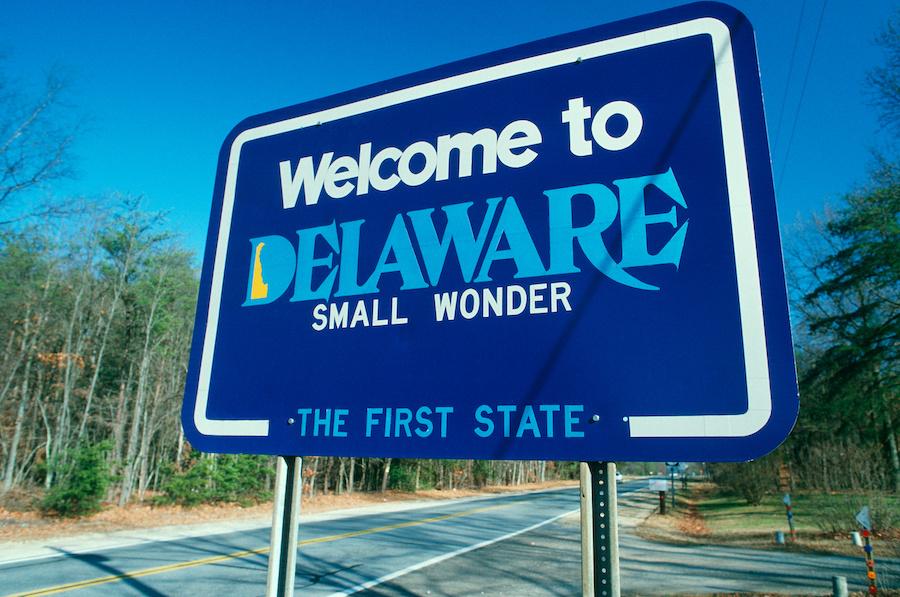
Delaware has a reputation for being an LGBTQ+ friendly state, thanks to its legal protections, nightlife, and lively LGBTQ+ community. The state was an early-adopter of LGBTQ+ protections, but wasn’t among the first to enact policies to protect transgender people. Regardless, they’ve made strides in recent years to create a more equitable environment for trans individuals.
LGBTQ Equality Index
Delaware has a medium score of 29/43.5 for overall sexual orientation and gender identity policy tallies on its MAP state profile. This includes a score of 15.25/23 on the gender identity policy tally. They scored lower than the previous states overall, including a score of 7/9 for non-discrimination laws, and 6/10 for LGBTQ laws.
State Equality Index Scorecard
Delaware is categorized as “working toward innovative equality” on the SEI scorecard.
Legal Protections
Delaware boasts robust legal protections under the state’s Gender Identity Nondiscrimination Act. The state’s non-discrimination policies and other legal protections cover employment, housing, health insurance, and public accommodations.
Delaware has worked to make it easier for transgender individuals to update their name and gender marker on legal documentation. In 2015, the state passed a law to make it easier for inmates to change their name and gender marker on legal documentation. However, the state currently doesn’t have gender-neutral options available for driver’s licenses and birth certificates.
Healthcare
Delaware state law ensures that health insurance plans cover medically necessary gender-affirming care. This includes hormone therapy, gender-affirming surgeries, and similar treatments. The state’s Medicaid program also covers trans-related healthcare.
Community and Support
Delaware has an active LGBTQ+ community, which includes organizations, events, and support groups for the trans community. For example, CAMP Rehoboth offers support groups, counseling and mental health services, and educational programs for LGBTQ+ people and their families.
Safety
Delaware scores lower than the previous states for criminal justice laws and policies. However, the state is committed to addressing hate crimes based on a victim’s perceived or actual gender identity.
Education
Delaware’s education system has implemented policies and guidelines to support LGBTQ+ students. Implementation of comprehensive sex education and protections for LGBTQ+ students varies by district. Regardless, schools are encouraged to create inclusive environments, to address bullying and harassment, and to provide resources and support for trans students.
Cost of Living
Delaware’s cost of living is moderate when compared to California and Connecticut.
5. Washington, District of Columbia

While a federal district and not a state, Washington, District of Columbia (D.C.) deserves its place on this list. D.C. has consistently been at the forefront of advancing and protecting LGBTQ+ rights. The District is recognized as one of the most LGBTQ+-friendly places in the country.
LGBTQ Equality Index
D.C. holds a high score of 48.5/43.5 for overall sexual orientation and gender identity policy tallies on its MAP state profile. This includes a high score of 20.5/23 on the gender identity policy tally.
D.C. is on par with the top three states on this list for non-discrimination laws, with a tally of 9/9. However, they were given 8/10 for LGBTQ youth laws within the MAP profile.
State Equality Index Scorecard
D.C. is categorized as “working toward innovative equality” on the SEI scorecard.
Legal Protections
In 1977, D.C. enacted one of the first laws in the United States to prohibit discrimination based on gender identity. The D.C. Human Rights Act prohibits discrimination in areas such as employment, housing, education, and public accommodations. D.C. continues to demonstrate commitment to ensuring equity for people of all gender identities.
Washington, D.C. has passed policies to make it easier for transgender individuals to update their name and gender marker on legal documentation. Nonbinary people can also select a third gender option on their driver’s license or identification cards, but this option is not available for other forms of legal identification documents, such as birth certificates.
Healthcare
D.C. has a robust healthcare system that includes gender-affirming healthcare and specialized providers. D.C. law requires both private and public insurance plans to cover medically necessary gender-affirming care for eligible individuals. This includes hormone therapy, gender-affirming surgeries, and similar treatments.
Community and Support
D.C. is home to a variety of advocacy organizations, support groups, and community groups that support the LGBTQ+ community. This includes organizations that provide counseling, healthcare and mental health services, legal assistance, and other forms of support to trans people and their families. For example, the D.C. Center for the LGBT Community connects trans individuals to social and peer support groups.
Safety
D.C. has implemented hate crime laws that cover both sexual orientation and gender identity. The D.C. Anti-Violence Project is an ongoing volunteer-based organization focused on eliminating violence against LGBTQ+ people in the District.
Education
D.C. has been proactive in implementing policies and guidelines to support trans students. This includes ensuring access to appropriate restrooms and facilities, the use of appropriate pronouns, support during transition, and addressing bullying and harassment of trans students. Schools and faculty are encouraged to affirm the rights of trans students and create inclusive environments throughout the school districts.
Cost of Living
The cost of living in Washington, D.C., is high and comparable to urban areas of California.
Resources for Transgender Equality
Throughout the United States, the LGBTQ+ community continues to face severe social stigma and discrimination. Anti-LGBTQ+ legislation places trans individuals at greater risk for violence, as well as self-harm.
Fortunately, advocates continue to fight for trans equality and offer free support to members of the trans community. Hee are just a few.
National Center for Transgender Equality
The National Center for Transgender Equality offers a wealth of information and resources for supporting the trans community. They provide free resources for advocacy, legal rights, and healthcare access.
Transgender Legal Defense & Education Fund
The Transgender Legal Defense & Education Fund provides legal information and support to trans individuals. This includes test-case litigation, direct legal services, and public policy efforts.
GLAAD Transgender Resources
GLAAD, formerly known as the Gay & Lesbian Alliance Against Defamation, offers a comprehensive list of resources for trans individuals, such as support groups, advocacy organizations, healthcare resources, and more.
Trans Lifeline
Trans Lifeline connects trans people to community support and resources. They also offer a 24/7 crisis hotline for trans individuals.
The Trevor Project
The Trevor Project works to prevent suicide among LGBTQ young people. Their core programs include crisis services, peer support, research, public education, and advocacy.
Happy and Healthy Relationships with eDrugstore
At eDrugstore, we work to ensure all people have access to science-based information and advice on sexual health, intimacy, and gender diversity. Our blog features information and stories to support you in having happier and healthier relationships.
We also offer safe and effective medications to address sexual health and intimacy concerns, like erectile dysfunction. When you shop at eDrugstore, your virtual consultation and shipping are always free.

Shelby is a public health professional with research and field experience in sexual and reproductive health. She holds a Master of Public Health (MPH) and is a Certified Health Education Specialist (CHES).