

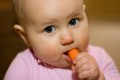
While some kids outgrow these allergies, others will have to avoid certain foods for life or suffer severe health risks.
Reading food labels becomes an important part of a parent’s routine when their child has food allergies, but some parents say they don’t trust the labels.
Unhelpful and untrusted labels
According to Medical New Today, between 78% and 84% of parents of children with a history of anaphylaxis considered warning labels “not useful”.
The study, led by Professor Katie Allen, Director of Population Health at Murdoch Children’s Research Institute in Melbourne, involved an extensive questionnaire.
Results from the questionnaire showed that parents of 54 kids with a history of anaphylaxis (48%) “felt that the ingredient list information on food labels was easy to understand or use” but only six (5.4%) reported that they could “completely trust” the labels.
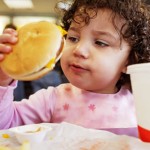
The study’s authors say cautionary labels are now present on so many products that parents are disregarding them.
“Precautionary labeling for food allergens such as “may contain traces of”, are now present on more than half of all packaged processed foods in Australian supermarkets,” the author said.
The Centers For Disease Control and Prevention says the number of children developing food-related allergies is on the rise. Researchers say their recent findings coupled with the growing number of children battling food related allergies should encourage new labeling policies.
Researchers believe the study implies that more specific labels would help parents select safe foods for kids with allergies.

We specialize in providing our over 1,000,000 customers with relevant product and condition information created by our professional editorial staff which includes our team of medical writers, medical practitioners, and health educators. eDrugStore.com Staff on Facebook