

Highlights
- Neurosyphilis is a complication of syphilis.
- Neurosyphilis occurs when the bacteria that cause syphilis attack the brain and the spinal cord.
- Early neurosyphilis can be symptomless.
- Doctors treat syphilis and neurosyphilis with penicillin or ceftriaxone.
- Patients with early-stage neurosyphilis can make full recoveries.
- To prevent syphilis and neurosyphilis, reduce the sexual risks you assume.
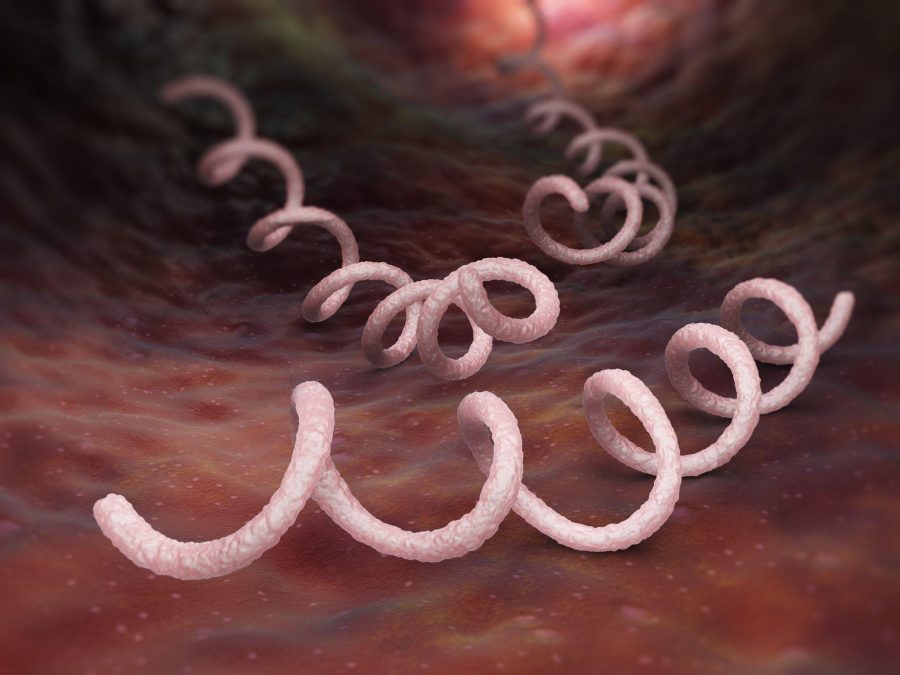
When you have unprotected sex, you risk contracting a bacterium called Treponema pallidum. This bacterium causes syphilis, one of the common sexually transmitted infections (STIs). Left untreated, syphilis can infect your brain and spinal cord, developing into neurosyphilis. Neurosyphilis can be fatal.
The Differences between Syphilis and Neurosyphilis
When syphilis infects your body, you develop sores at the site of the infection. Later, as the infection spreads, you may experience fatigue, weight loss, hair loss, rashes, fever, and muscle aches. If you don’t treat your syphilis, it may go into a latent stage, during which it causes no symptoms.
Believing you may be cured, you go on with your life. About 10-30 years later, syphilis reaches its tertiary, or third, stage. This is when it may attack organs like the eyes, heart, ears, or central nervous system.
Neurological syphilis, or neurosyphilis, attacks your brain and spinal cord. At this stage, you’re in trouble. But you may still fully recover if you get treatment during the early stages.
Your syphilis may never develop into neurosyphilis. Some people carry the disease for a lifetime without being aware of it. Others may develop neurosyphilis symptoms even 50 years after exposure.
People who are HIV-positive are more likely to see syphilis develop into neurosyphilis.
Types of Neurosyphilis
Like syphilis, neurosyphilis may be symptomless, particularly in the early stages. During this stage, people may spread the infection to others without knowing it. As the disease progresses, you’re more likely to develop symptoms.
There are five types of neurosyphilis.
- Asymptomatic neurosyphilis. You may have developed neurosyphilis and not feel a thing. This stage of the infection causes no symptoms and doesn’t make you sick.
- Meningeal neurosyphilis. With this infection, you develop meningitis symptoms, like headaches, a stiff neck, vision and hearing problems, nausea, and vomiting.
- Meningovascular neurosyphilis. A more severe version of the disease, meningovascular neurosyphilis can cause strokes in addition to meningitis symptoms.
- General paresis. If you get to this stage of the disease, you may experience dementia and changes in mood and personality.
- Tabes dorsalis. Another severe form of the disease, tabes dorsalis causes balance problems, loss of vision, loss of reflexes, the inability to walk properly, coordination problems, and pain in the abdomen and extremities.
Neurosyphilis Diagnosis
To diagnose neurosyphilis, doctors evaluate symptoms and perform blood and cerebrospinal fluid tests.
Symptoms
The first clues are in the symptoms. Diagnosis is unlikely with asymptomatic neurosyphilis. When they suspect you may have neurosyphilis based on your symptoms, your doctors may order the following tests.
Nontreponemal Tests
When you have syphilis or neurosyphilis, the bacteria in your body damage your cells. The destruction leaves a trail. Nontreponemal tests are blood tests that look for biomarkers the body releases in response to the infection with the syphilis bacteria. These tests may produce false positive results, as many other diseases can cause similar damage to cells.
Treponemal Tests
Your body tries to fight the infection by producing antibodies. Treponemal tests look for these antibodies to gain evidence of an infection.
Cerebrospinal Fluid Evaluation
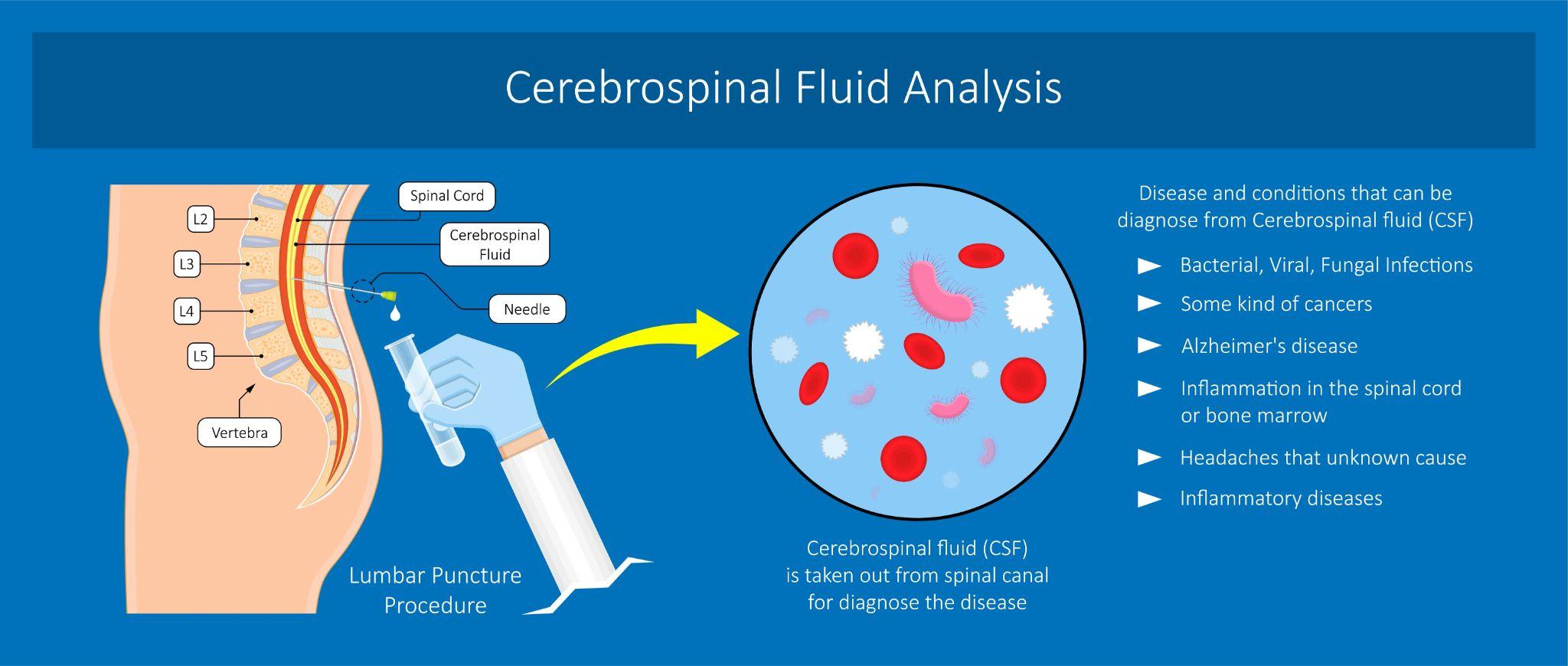
If they suspect neurosyphilis based on meningitis-like symptoms, doctors will order a cerebrospinal fluid test. A positive CSF-VDRL test can confirm a neurosyphilis diagnosis.
To get a sample of your cerebrospinal fluid, doctors insert a hollow needle between the bones of your lower spine. If you have Treponema pallidum bacteria floating in this fluid, you have neurosyphilis.
To ascertain that you have neurosyphilis, doctors must perform all three tests and confirm the presence of bacteria in parts of your central nervous system.
Neurosyphilis Treatment
Doctors use penicillin or the antibiotic ceftriaxone to treat syphilis and neurosyphilis.
If your doctor discovers your neurosyphilis in its early stages, you can consider yourself lucky. We know that penicillin works well against these infections and allows you to fully recover, provided the disease hasn’t yet caused too much damage to your organs.
Doctors can choose from three penicillin preparations to treat neurosyphilis.
- Aqueous crystalline
- Benzathine
- Aqueous procaine
Your doctor will choose the preparation based on the stage and severity of your disease. Making the correct choice is important, as syphilis bacteria can hide in various organs where less-potent forms of penicillin can’t reach them.
If you are an adult neurosyphilis patient, your doctor may prescribe penicillin procaine in intramuscular injection form. You will also get daily oral probenecid.
You will take daily injections and pills for up to two weeks.
If your neurosyphilis has already caused deep damage to your organs, you will likely not recover fully, but you will probably feel much better.
If you are allergic to penicillin, your doctor can prescribe ceftriaxone. In this case, you will get intramuscular or intravenous injections for up to two weeks.
Other treatment options include doxycycline, erythromycin, and chloramphenicol.
Neurosyphilis Stages
Syphilis has four stages: primary, secondary, latent, and tertiary. The disease is most likely to develop into neurological syphilis during the tertiary stage. It can, however, do so in any of its four stages.
Neurosyphilis itself has two stages: early and late.
Asymptomatic, meningeal, and meningovascular neurosyphilis are early-stage diseases. During these stages, a two-week penicillin procaine treatment can probably cure the disease.
General paresis and tabes dorsalis are late-stage forms of the disease. By these stages, the bacteria have inflicted considerable damage to the central nervous system. Penicillin treatment can make you feel better but probably won’t restore you to full health.
Neurosyphilis Complications
Neurosyphilis itself is a severe complication of syphilis. It attacks the vital organs, from the eyes to the bones of the skull. It also destroys the brain and spinal cord.
If left untreated, neurosyphilis can lead to dementia, paralysis, and death. Diagnosing and treating your neurosyphilis is literally a matter of life and death.
Congenital Neurosyphilis
Mothers can pass syphilis and neurosyphilis to their unborn children. Congenital neurosyphilis can cause severe complications to the fetus, resulting in symptoms and complications like:
- Enlarged liver and spleen
- Jaundice
- Bone deformation
- Rashes
- Meningitis
- Low blood cell count
- Deafness or blindness
Newborns can only contract neurosyphilis from their mothers.
Neurosyphilis Cure
Doctors use penicillin or ceftriaxone to treat both infections. Patients in the early stages of the disease can make full recoveries. Those in the late stages generally won’t recover but will improve considerably. Treatment outcomes vary from one patient to another.
Preventing Syphilis and Neurosyphilis
The only way to ensure that you don’t get syphilis is to avoid oral, anal, or vaginal sex. More realistically, the most effective preventive measures are safer sex practices (like using condoms), regular testing, and open communication with sexual partners about STI status. Being in a monogamous relationship helps, provided your partner cares as much about their sexual health as you do about yours.
It’s also a good idea to avoid heavy alcohol use in situations where you might be tempted to engage in risky sexual behaviors.
How eDrugstore Can Help

Neurosyphilis provides the perfect example of why you should care about your sexual health and test yourself regularly for STIs. In many cases, early treatment is a life-saver, and many STIs respond well to relatively inexpensive medications.
We carry test kits that help you discover and treat STIs like gonorrhea, chlamydia, and herpes.
Look after your sexual health by taking advantage of a free virtual medical consultation with a U.S.-licensed physician, who will write your prescription at no charge to you. When you place an order, we’ll ship it right to your door for free, quickly and discreetly.

We specialize in providing our over 1,000,000 customers with relevant product and condition information created by our professional editorial staff which includes our team of medical writers, medical practitioners, and health educators. eDrugStore.com Staff on Facebook