


Low sexual desire is one of the most common concerns in women’s health, but many women hesitate to talk about it. If you’ve looked for answers, you’ve probably found several clinical terms that sound similar without meaning quite the same thing. FSAD, HSDD, and low libido are often used almost interchangeably online, which can make the subject even more confusing.
This guide explains what FSAD and HSDD mean, how they differ, and what treatment may involve. That way, you’ll have the language you need to start a conversation with a clinician or one of eDrugstore’s telehealth providers.
FSAD vs. HSDD: What’s the Difference?
FSAD and HSDD describe two different but often related problems. FSAD concerns the body’s response to sexual stimulation, while HSDD concerns sexual interest or desire.
What Is Female Sexual Arousal Disorder (FSAD)?
Female Sexual Arousal Disorder (FSAD) means having ongoing difficulty becoming or staying physically aroused, even when you want sexual activity. You may notice less lubrication, reduced genital sensitivity, or little physical response to stimulation.
What Is Hypoactive Sexual Desire Disorder (HSDD)?
Hypoactive Sexual Desire Disorder (HSDD) means having little or no interest in sex, sexual thoughts, or fantasies and feeling personally distressed by that change. The body may still respond normally once sexual activity begins.
The conditions often overlap. That is why the DSM-5 combined desire and arousal problems into a diagnosis called Female Sexual Interest/Arousal Disorder (FSIAD) in 2013. You may still see FSAD and HSDD used separately because each term helps a clinician identify which symptom is more prominent and choose an appropriate care plan.
You don’t need to decide which label fits before asking for help.
What Causes Low Libido in Women?
Low libido usually has more than one cause. A clinician may look at several possible contributors:
Stress and Mood
Ongoing stress, anxiety, and depression can all reduce sexual interest. Hormonal changes may play a role, but so can the sheer mental load of daily life.
Fatigue
Poor sleep and exhaustion can leave little energy for sexual desire, especially when work or caregiving already takes most of it.
Medication Side Effects
Some antidepressants, hormonal birth control, and blood pressure medications can reduce desire or make arousal more difficult.
Relationship Strain
Poor communication, unresolved conflict, or feeling disconnected from a partner can reduce desire. Pain, vaginal dryness, or other discomfort during sex can also create an association between intimacy and pain, which may reduce desire over time. Because these factors often overlap, a good evaluation looks at the full picture.
How Do Doctors Diagnose FSAD and HSDD?
A typical evaluation begins with a conversation, not a test. The clinician will ask when the change began, how it has developed, and how much distress it is causing you or your relationship. They’ll also review your health history, prescriptions, and supplements because all of these can affect desire and arousal.
Contributing Factors
The clinician may also ask about stress, mood changes, relationship concerns, pain during sex, and other physical symptoms.
If this feels awkward to discuss, remember that clinicians hear about low libido often. You don’t need to wait until it feels unbearable before asking for help.
Low Libido Treatment Options
Treatment depends on what is contributing to low desire or arousal. A clinician may recommend one approach or combine several.
Lifestyle and Relationship Support
Better sleep, less stress, and more open communication with a partner may help when those issues are affecting desire. Sex therapy or counseling can also address emotional or relationship concerns, often alongside other treatments.
Prescription Medications
Prescription medication may be an option if you meet the eligibility requirements.
Addyi (flibanserin) is FDA-approved for women under 65 with HSDD, whether or not they have gone through menopause.
Vyleesi (bremelanotide) is approved for premenopausal women with acquired, generalized HSDD. It activates melanocortin receptors involved in sexual desire.
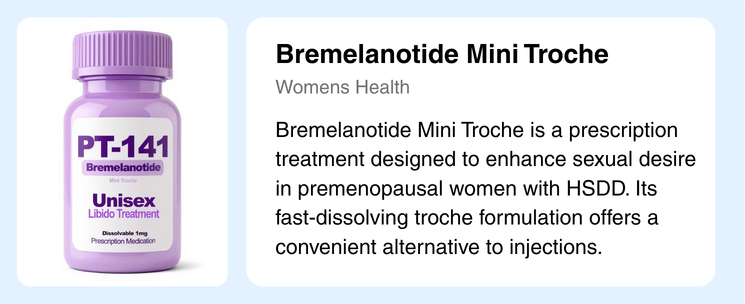
PT-141 (bremelanotide mini-troche) is a compounded mini troche, or lozenge, that dissolves in your mouth. While it hasn’t yet been approved the FDA, it’s the same active ingredient as Vyleesi, but many women prefer it because it’s a lozenge rather than an injectable, like Vyleesi.
Topical Solutions
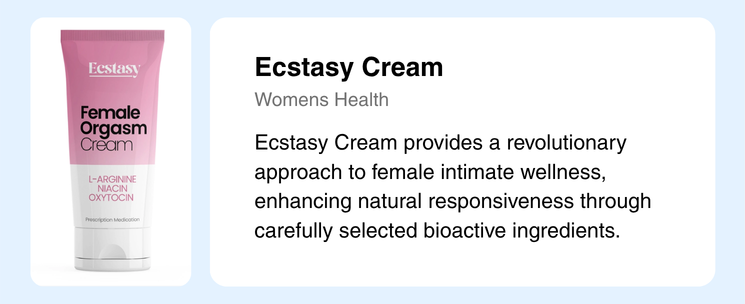
If you’re not finding the pleasure in sexual activity that you used to, a topical solution like Ecstasy Cream may help. It’s a female orgasm cream you apply locally to help increase sensation.
Topical solutions are not long-term treatment solutions for the conditions that underlie low libido, but many women find them helpful for increasing pleasure in intimacy.
Treatment for Underlying Conditions
If pain, hormonal changes, or another health issue is contributing, treating that problem may improve desire more than medication aimed directly at libido.
Why an Accurate Diagnosis Matters
The difference between FSAD and HSDD can guide diagnosis and treatment, but you don’t need to use the clinical terms correctly when you ask for help. Saying, “I’ve lost interest in sex and it’s bothering me” or “My body doesn’t respond the way it used to” gives a clinician a clear place to start.
The goal is to understand what is happening and help you feel better.
When to See a Doctor About Low Libido
Consider talking to a provider if any of these situations apply.
- Ongoing distress. Low desire has bothered you for a while and isn’t improving.
- Relationship impact. Low desire is creating tension, distance, or repeated conflict with a partner.
- A sudden change. The change began after you started a medication or experienced a health event such as childbirth or a new diagnosis.
- Pain alongside low desire. Tell the clinician about pain and reduced desire together because each may be making the other worse.
Still have questions about FSAD vs HSDD? See our Frequently Asked Questions below.
Telehealth Treatment for Low Libido With eDrugstore

Talking about low libido face to face can feel awkward. eDrugstore’s telehealth platform lets you speak privately with a licensed provider from home. If you’re premenopausal, one of our U.S.-licensed physicians can review your health history and discuss whether PT-141 (bremelanotide) may fit your symptoms.
Medication arrives in discreet packaging, so you can explore your options without an exam room or waiting-room small talk.
Visit eDrugstore’s women’s health section to explore treatment options and start a private consultation with a licensed provider.
Frequently Asked Questions About FSAD and HSDD
How long must symptoms last before HSDD or FSIAD is diagnosed?
For a clinical diagnosis, symptoms generally must persist for at least six months, occur frequently, and cause significant personal distress. A clinician also considers age, health, medications, circumstances, and relationship factors.
Can HSDD be situational?
Yes. HSDD may be generalized across situations and partners or limited to particular circumstances. Identifying whether symptoms are generalized or situational can help a clinician understand possible causes and recommend treatment.
Can menopause cause sexual desire or arousal problems?
Yes. Hormonal changes during perimenopause and menopause can reduce desire, lubrication, and comfort. Sleep problems, medications, health conditions, and relationship factors may contribute at the same time.
What kind of doctor treats FSAD or HSDD?
A gynecologist or primary care clinician is a good place to start. Treatment may also involve a menopause specialist, pelvic-floor therapist, mental health professional, or certified sex therapist.
Is FSAD the same as persistent genital arousal disorder?
No. FSAD involves difficulty becoming or staying aroused when arousal is wanted. Persistent genital arousal disorder causes unwanted genital sensations that may occur without desire and may not resolve after orgasm.
What is the difference between Addyi and Vyleesi?
Addyi is a daily oral medication approved for women under 65 with acquired, generalized HSDD. Vyleesi is an as-needed injection approved only for premenopausal women with acquired, generalized HSDD.
Can low sexual desire improve without medication?
Sometimes. Desire may improve when a temporary cause such as stress, illness, pain, fatigue, or a medication side effect resolves. Persistent symptoms that cause distress deserve evaluation because treatment depends on the cause.
Can HSDD affect orgasm?
HSDD primarily affects sexual desire, while orgasmic disorder involves difficulty reaching orgasm. They can occur together, but one does not automatically cause the other. A clinician should evaluate both concerns separately.
Disclaimer: This article provides general information about health and related topics but is not intended as a substitute for professional medical advice, diagnosis, or treatment. Always seek the advice of your physician or other qualified health provider with any questions you may have regarding a medical condition.

Paula Clark worked in the healthcare industry for 17 years before becoming a full-time freelance health and medical writer. Her clients appreciate her ability to convey complex information in terms laypeople can understand. Paula prides herself on the depth and accuracy of her research. Her goal is to add authority to your site in words that will delight both Google and your readers.