


If you’re a man with erectile dysfunction (ED), or if you’re just interested in improving your sexual and overall health, be sure your diet includes adequate amounts of vitamin C, the B vitamins, nitrates, vitamin E, and zinc.
Men and women in search of a simple and inexpensive way to enhance their sexual health and performance need look no further than the family larder or the closest health supplement store. Vitamins and other nutrients, available both in the foods they consume and in supplement form as well, can provide a foundation for sound sexual health and even help to overcome some of the more common causes of sexual dysfunction.
Getting your vitamins, minerals, and other nutrients — whether sexually beneficial or not — from whole foods is generally preferable to taking them in supplement form, according to most nutritionists. Registered dietitian Vandana R. Sheth, a spokesperson for the Academy of Nutrition and Dietetics, points out at Sharecare.com that “a whole food diet provides many positive benefits that cannot be replicated by individual nutrient supplements.”
Don’t Skip the Added Benefits
As an example, Sheth says that eating an orange provides not just vitamin C but a number of other healthful nutrients as well as the added benefits of flavor, fullness, fiber, and satisfaction. By contrast, if you take “a vitamin C supplement, you might get the same if not more vitamin C, but you will not get the rest of the benefits.”
The nutrients under discussion here are those that have been shown to improve the sexual health and function of either men or women or both. And almost without exception, the benefits of these nutrients extend far beyond sexual health.
Vitamin C (Ascorbic Acid)
Using Sheth’s example of vitamin C as a convenient starting point, it should be noted that the vitamin, also known as ascorbic acid, is a powerful antioxidant. By definition, antioxidants help to inhibit or in some cases prevent the oxidation of other molecules in the body that is caused by unstable molecules known as free radicals. The human body produces both antioxidants and free radicals, but depending solely on the body’s supply of those molecules, the free radicals would soon wipe out the antioxidants. Thus, it is important to increase the level of antioxidants in the body by either dietary means or supplement.
Free radicals, left to run rampant throughout the body, can give rise to a wide array of diseases and also account for cellular damage associated with aging. Keeping them in check by a healthy intake of antioxidants can significantly decrease the damage the free radicals cause.
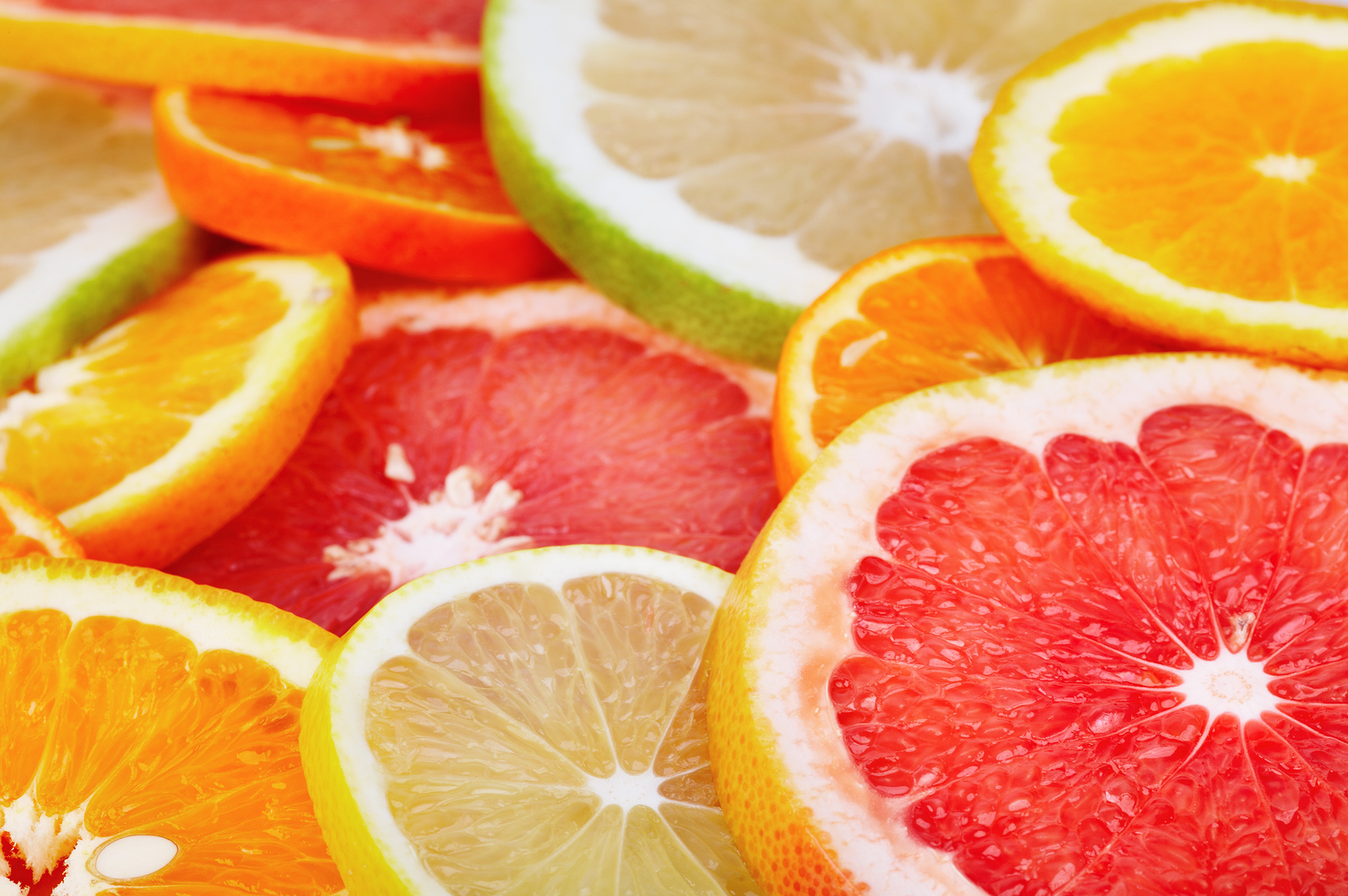
Vitamin C is abundant in citrus fruit, as well as in a wide array of other plant-based foods, including bell peppers, leafy green vegetables, kiwis, papayas, strawberries, and tomatoes. Among its many healthful properties, vitamin C keeps the inner lining of blood vessels strong and flexible, which in turn promotes the strong blood flow men need to get and keep an erection. Strong blood flow to the female genitals can also enhance sensitivity and by extension the enjoyment of sex.
Vitamin B2 (Riboflavin)
Women who find that vaginal dryness is interfering with their sex lives should try to increase their intake of vitamin B2, also known as riboflavin. The vitamin can help restore the body’s natural lubricant production. Foods high in riboflavin include beef liver, lamb, milk, almonds, mushrooms, plain yogurt, spinach, and sun-dried tomatoes.
Vitamin B3 (Niacin)
Vitamin B3, also known as niacin, is an important nutrient for the promotion of sexual health in both men and women because it helps to stimulate the body’s production of sex hormones. For women, a deficiency of B3 in the uterus can make it difficult to achieve orgasm. The nutrient also promotes improved circulation, which is key to erectile function in men and improved genital sensitivity in women. This multitalented vitamin also helps blood flow by boosting the body’s level of good cholesterol, which in turn helps to reduce the buildup of unhealthy fats on the inner walls of arteries.
Good sources of vitamin B3 include fish, including halibut, mackerel, salmon, swordfish, and tuna; poultry, beef, and pork. Vegans looking for niacin-rich plant-based foods should opt for avocados, green peas, mushrooms, peanuts, and sunflower seeds.
Vitamin B6 (Pyridoxine)
Although all these vitamins play a key role in the maintenance of overall health, vitamin B6 (pyridoxine) is a good choice for aging women who are looking for ways to blunt the effects of menopause’s hormonal effects on their sex lives. Getting enough B6 can help prevent the decline in sexual desire that some women experience during and after menopause. Good food sources of B6 include chickpeas, beef liver, chicken breast, turkey, salmon, tuna, boiled potatoes, bananas, and ground beef.

Vitamin B9 (Folate)
In its natural form, vitamin B9 is also known as folate. If you’re looking to get this nutrient in supplement form, you should shop for folic acid. Getting enough folate is particularly important for couples who are trying to get pregnant. In men, vitamin B9 has been shown to reduce the incidence of abnormal sperm and, when taken with zinc, has also been shown to increase sperm count. For optimal fertility, women should also ensure that their B9 levels are high. Foods high in folate include asparagus; green leafy vegetables, including spinach; black-eyed peas; lentils; avocado; romaine lettuce; broccoli; oranges; and tropical fruit, including mangos, guavas, papaya, and bananas.
Nitrates
The nitrates we’re talking about here are those found naturally in certain plant-based foods and not the nitrate or nitrite preservatives used in some processed meat products and other processed foods. While the latter have been associated with an increase in cancer risk, the plant-based nitrates promote strong blood flow, which as we’ve already seen is particularly important for sexual function in both men and women. Beets and beet juice are very high in nitrates, as are broccoli, eggplant, cabbage, kale, cucumber, fennel, garlic, kohlrabi, iceberg lettuce, radishes, and pumpkin.
Vitamin E
Like vitamin C, vitamin E is a potent antioxidant, which helps to protect against disease and the ravages of aging. For both men and women facing various forms of sexual dysfunction, this vitamin is a powerful weapon. It promotes good circulation, a key to optimal sexual function. It also helps to repair damaged tissue, minimizes the symptoms of PMS in women, promotes natural lubrication, and fights prostate enlargement in men. Foods rich in vitamin E include leafy green vegetables, such as kale, spinach, and mustard and turnip greens; broccoli; parsley; avocado; pumpkin, sesame, and sunflower seeds; plant oils; almonds, hazelnuts, and pine nuts; and olives.
Zinc
Zinc is particularly important for its support of adrenal function, which in turn helps to promote a strong sex drive in both men and women. Although both sexes at different times during their lives may experience a loss of interest in and desire for sex, the problem is most widespread in women. Hypoactive sexual desire disorder is said to be the most common form of female sexual dysfunction. Although increasing your consumption of zinc-rich foods won’t guarantee to fire up your libido, it certainly couldn’t hurt. Foods rich in zinc include beef, lamb, oysters, shrimp, turkey, lentils, sesame and pumpkin seeds, cashews, chickpeas, and quinoa.
If you’d like to read additional articles about sexual health and function, as well as other topics of interest to health consumers, check out our blog. And if you’re interested in ordering prescription ED medications like Viagra online, we invite you to visit eDrugstore.com.
Don Amerman is a freelance author who writes extensively about a wide array of nutrition and health-related topics.

We specialize in providing our over 1,000,000 customers with relevant product and condition information created by our professional editorial staff which includes our team of medical writers, medical practitioners, and health educators. eDrugStore.com Staff on Facebook