

Reach Your Goal Weight. Prescribed. Proven. Private.
Doctor-prescribed GLP-1 weight loss treatments delivered discreetly to your door.
Physicians
Private
Delivery
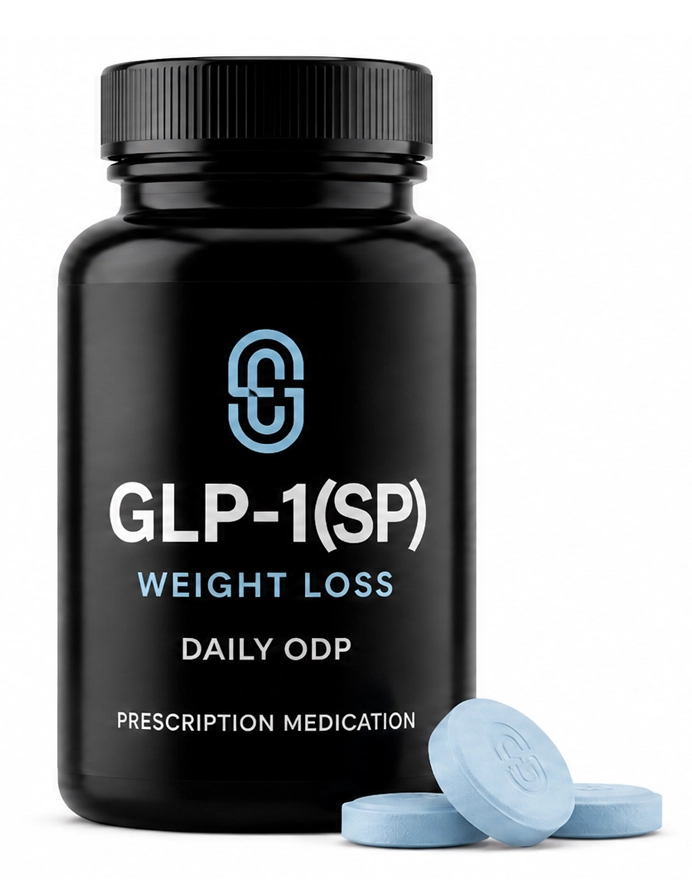
GLP SP 2mg
Daily dissolvable GLP-1 to curb appetite and drop weight.
- Curbs Appetite
- Daily Dissolvable Tablet
- Steady, Lasting Results

GLP T 3mg
Dual-action GLP-1 for stronger appetite control.
- Dual-Action Formula
- Daily Dissolvable Tablet
- Maximum Appetite Control

Berberine with Ceylon Cinnamon
Natural metabolic support for blood sugar and weight.
- Supports Healthy Metabolism
- Balances Blood Sugar
- Once-Daily Tablet
 How do your kids convince you to buy unhealthy items at the grocery store? Sugary cereals, candy and fatty snacks somehow find a way into shopping carts. Once they are in the home it is tough to encourage kids to eat something else.
So, how do your kids convince you to toss in the treats? Do your kids nag you until you buy it? A new study looks at that very question.
The study
Johns Hopkins Bloomberg School of Public Health examined what they call the “Nag Factor.” It’s those moments in the grocery store where your child is begging you to put some snack or goodie in the cart. Does marketing play a role? Is it because kids are bombarded with cartoon images and commercials about these products? Does that prompt them to beg and parents to bend?
The answer
“As researchers continue to investigate factors influencing the childhood obesity epidemic, attention often turns towards the marketing and consumption of junk food,” said Dina Borzekowski, EdD, EdM, MA, senior author of the study and an associate professor with the Bloomberg School’s Department of Health, Behavior and Society. “Clearly, children are not the primary shoppers in the households, so how do child-oriented, low-nutrition foods and beverages enter the homes and diets of young children? Our study indicates that while overall media use was not associated with nagging, one’s familiarity with commercial television characters was significantly associated with overall and specific types of nagging. In addition, mothers cited packaging, characters, and commercials as the three main forces compelling their children to nag.”
 The future
Researchers believe this study will allow others to suggest more areas of study in this field while at the same time keeping parents aware of the effects of nagging can have on their children’s overall health.
