

Reach Your Goal Weight. Prescribed. Proven. Private.
Doctor-prescribed GLP-1 weight loss treatments delivered discreetly to your door.
Physicians
Private
Delivery
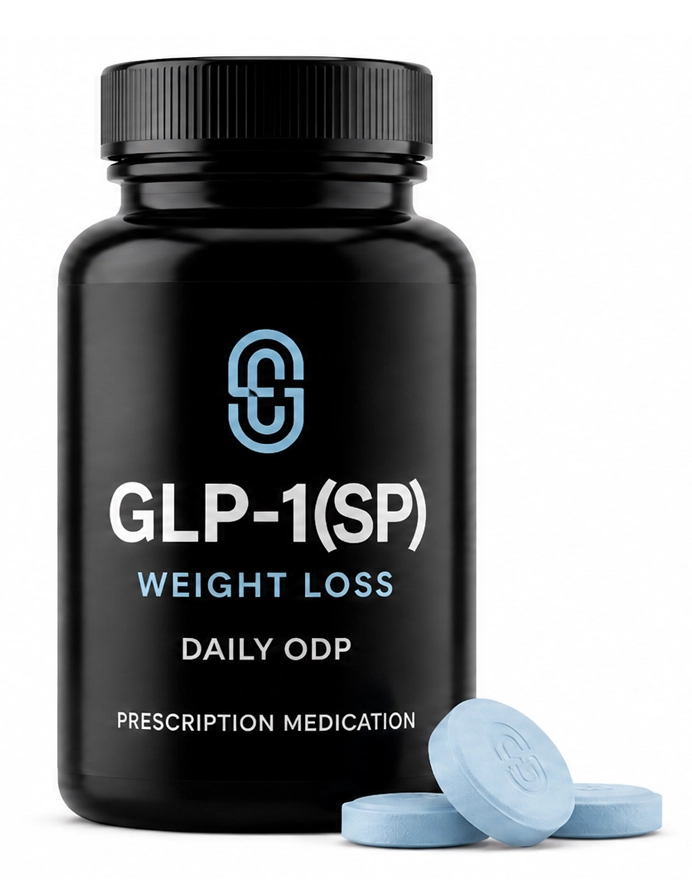
GLP SP 2mg
Daily dissolvable GLP-1 to curb appetite and drop weight.
- Curbs Appetite
- Daily Dissolvable Tablet
- Steady, Lasting Results

GLP T 3mg
Dual-action GLP-1 for stronger appetite control.
- Dual-Action Formula
- Daily Dissolvable Tablet
- Maximum Appetite Control

Berberine with Ceylon Cinnamon
Natural metabolic support for blood sugar and weight.
- Supports Healthy Metabolism
- Balances Blood Sugar
- Once-Daily Tablet

Body Still Hungry
For the study, scientists used magnetic resonance imaging, or MRI, scans to watch how the brain reacted when a person drank beverages containing glucose and fructose.
Scans showed that drinking glucose “turns off or suppresses the activity of areas of the brain that are critical for reward and desire for food,” said one study leader, Yale University endocrinologist Dr. Robert Sherwin. With fructose, “we don’t see those changes,” he said. “As a result, the desire to eat continues — it isn’t turned off.”
The dieting study was small, so more research will need to be done to draw any concrete solutions, but researchers say the findings do suggest a link between fructose and obesity.
Dr. Jonathan Purnell, an endocrinologist at Oregon Health & Science University says the dieting study, “implies that fructose, at least with regards to promoting food intake and weight gain, is a bad actor compared to glucose.”
What the dieting study means for you
Purnell tells Huffington Post readers to watch their intake of high fructose drinks. Try to avoid the sugar-sweetened beverages. It doesn’t mean you can’t ever have them but control their size and how often they are consumed,” he said.
Managing Weight
Critics say there are other factors to be considered in this study. Plus, obesity itself isn’t completely understood, according to health officials at the Centers for Disease Control and Prevention.

“We still have to learn about obesity, including how best to measure it,” CDC Director Dr. Thomas Frieden, said in a written statement. “However, it’s clear that being obese is not healthy – it increases the risk of diabetes, heart disease, cancer, and many other health problems. Small, sustainable increases in physical activity and improvements in nutrition can lead to significant health improvements.”
