


[Español]
Highlights
- Good blood flow is crucial for strong erections. Age, health, and habits play a big role in erectile function.
- Quitting smoking is a must. Even light smoking messes with blood flow. Quitting can really help.
- Regular exercise boosts blood flow and overall vascular health, which is key for combating ED. Shoot for 40 minutes of moderate to vigorous exercise at least four times a week.
- Fill your plate with whole, natural foods to support heart health and better blood flow, which helps with erections.
- Some men might need meds to improve blood flow to the penis. Drugs like Viagra, Cialis, Levitra, or Stendra can enhance nitric oxide levels and make erections easier.
- Don’t just rely on meds. Combining lifestyle changes with medication gives you the best shot at tackling ED and improving your sexual health for the long haul.
If you are having issues getting and maintaining an erection, increasing blood flow to your penis will go a long way toward treating the problem.
The good news is that there are a variety of interventions that you can try that have proven successful for millions of men.
Read on to discover tips on altering your diet, changing your exercise program, giving up some unhealthy habits , and taking medication to increase blood flow to your penis.
These habits set you up to revive and re-energize your sexual health.
Why Blood Flow Is Important
The key to having a hard erection is all about blood flow. When a man’s brain becomes sexually excited, it sends signals to his nerves to release the chemicals that increase blood flow through his vascular system to his penis.
Blood flows into the two erection chambers of the penis, causing the chambers to become firm and the penis erect.

For men with erectile dysfunction (ED), decreased blood flow is a critical reason they experience reduced firmness of erections, shorter-lasting erections, or a more difficult time achieving or maintaining an erection.
As men age, such factors as clogged arteries, high blood pressure, or pelvic trauma can all contribute to these lower levels in blood flow. Psychological factors can also interfere.
So how can you increase your blood flow?
Stop Smoking
Smoking cigarettes is the leading cause of death in the United States, partly because of the stress that smoking puts on your body. Much of this stress directly affects the heart, which is responsible for maintaining good blood flow in your body. This means that cigarette smoking is a direct cause of ED.
When you smoke, the chemicals in the cigarettes cause the cells in your blood vessels to become swollen and inflamed, narrowing the blood vessels and allowing less blood to pass through.
Smoking can additionally push your blood vessels to become more rigid and more likely to become built up with plaque – a coating of fat, cholesterol, and other things that impede blood flow.
Even smoking as few as four cigarettes a day is proven to cause heart and vascular problems. Heavy smokers (those who smoke more than 20 cigarettes a day) have double the likelihood of developing ED over those who smoke less — and even if they stop smoking, it will take more interventions to reverse the ED.
Smokers who have smoked less and for less time, however, have a chance of reversing the damage, and studies have shown that successfully stopping smoking using nicotine replacement therapy significantly improved erectile function within a year.
Exercise
Engaging in regular, consistent physical activity has been proven to protect against erectile dysfunction and improve erectile function for men who have ED because of poor blood flow. Indeed, physical activity is the one lifestyle change you can make that can significantly affect your blood flow and vascular health. Exercise also improves mental health and any psychological interference causing ED.
Aim for 40 minutes of moderate to vigorous exercise for a minimum of 40 minutes at least four times a week (or a weekly workout routine of 160 minutes). This regimen will help you lose weight, lower your blood pressure, and increase blood flow to all the parts of your body.
Moderate exercise is defined as activity that will get you moving fast enough to burn three times as many calories as usual.
Intense exercise burns six or more times as many calories. For many, this would be walking 3 to 4 miles an hour, mowing the lawn, bicycling on flat ground, or playing tennis. Activities in this category for most people include hiking, jogging, playing basketball, or bicycling fast and up hills.
Eat a Heart-Healthy Diet
In a pivotal study, men who ate a diet of natural, whole foods decreased their likelihood of suffering from erectile dysfunction. This diet, the same prescribed by cardiologists to strengthen your heart, will help increase blood flow to your penis and increase erectile function.
When planning your heart-healthy and blood-flow-promoting diet, eat smaller amounts of whole, natural foods while avoiding prepackaged and processed foods.
Here are other tips for eating well for good blood flow and heart health.

DO eat:
- Smaller portions. Americans tend to over-serve themselves and misjudge how much food they need. At home, use a small plate or bowl to control how much you are eating at a meal. Eating less will help you lose weight, lowering the stress your heart feels in needing to pump blood to extra tissue.
- More vegetables and fruit. Fruits and vegetables are full of fiber, vitamin C, and beta-carotene, all of which are good for your heart and therefore, your blood flow.
- Vitamin C and beta-carotene. These nutrients are antioxidants that prevent plaque buildup in your heart and blood vessels. Get them from fresh, canned, or frozen vegetables (not fried) with no added sugar.
- More whole grains. Eating more whole grains (like oats, barley, whole wheat, and brown rice) helps lower the levels of cholesterol in your blood, meaning there is less cholesterol to build up in your blood vessels. Oats and barley contain beta-glucan, a fiber that is particularly effective at lowering cholesterol.
- Low-fat proteins. The fat in meat is often called “saturated fat,” which increases the unhealthy cholesterol in your blood (and heightens the chance that your blood vessels will get clogged). Choosing low-fat dairy products, eggs, fish, skinless poultry, beans, and lean ground meats will lower the levels of saturated fat in your blood.
DON’T eat:
- Trans fats. These fats, found in many fried, processed, and packaged foods, are made in an industrial process that adds hydrogen to vegetable oil, allowing the oil to become solid at room temperature. It’s less likely to spoil, so it gets used in packaged baked goods and many restaurant deep fryers.
- Trans fats are particularly bad culprits at clogging up your blood vessels. Learn to read labels and stay away from anything that says it contains “partially hydrogenated vegetable oil.”
- Beef, organ meats, or processed meats. Foods like fatty beef, hot dogs, sausages, bacon, fried meats, or full-fat dairy products contain large amounts of saturated fat, which can clog your blood vessels.
- High-sodium and salty foods. Eating a lot of salty, high-sodium foods increases your blood pressure and reduces your blood flow because of the damage the increased pressure causes the vessel walls. Lowering your sodium intake is an essential part of a heart-healthy diet. Again, processed foods (like canned soups) are a big culprit for added sodium. Look for low-sodium products and aim to keep your salt intake under 2,300 milligrams of salt a day (about a teaspoon).
Medication
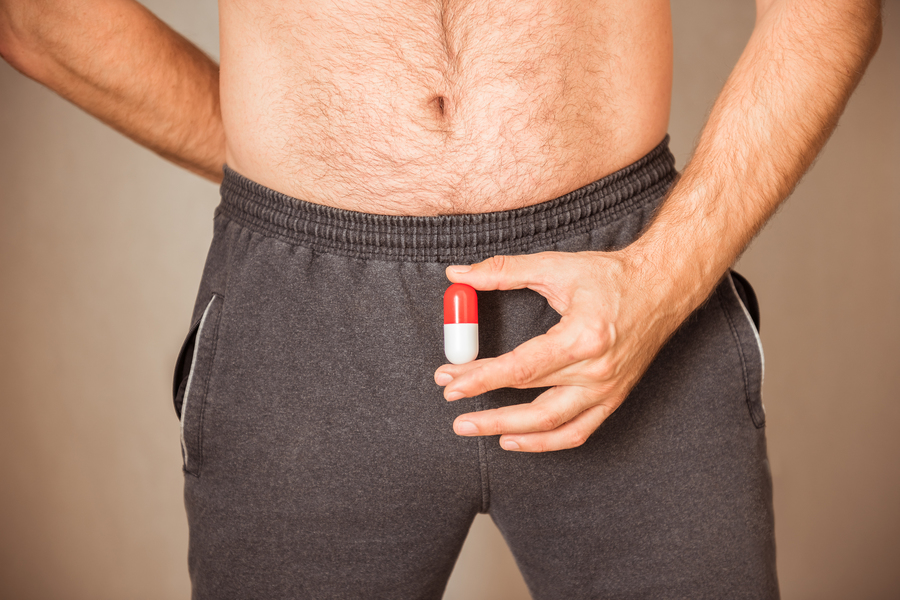
Lifestyle changes such as eating right and exercising will go a long way to helping increase the blood flow to your penis. Many men, however, will also need the help of medications designed to do precisely that.
The four main medications that increase blood flow to the penis are sildenafil (sold as name-brand Viagra), tadalafil (sold as name-brand Cialis), vardenafil (formerly sold as name-brand Levitra or Staxyn) and avanafil (sold as name-brand Stendra).
All four medications enhance nitric oxide levels in the blood, which causes the muscles in your penis to relax, and blood to flow more easily into the chambers necessary to cause an erection.
While injectable medications such as alprostadil do exist, the four medicines listed above are by far the most commonly taken by men and have proven to have excellent results in treating erectile dysfunction.
Are You Ready to Try ED Medication?
At eDrugstore, we’ve been helping men with ED issues since 1998 and have the caring and discreet staff you’re looking for to help you decide which medications are best for you.
We have one million satisfied customers who help us maintain our A+ Better Business Bureau rating and are waiting to help you.
Why wait? On our site, you can set up a no-cost consultation with a U.S.-licensed physician and pharmacist and be ready to quickly move forward with getting back on track to a fulfilling and healthy sex life.
Browse our erectile dysfunction medication page to get started.
Disclaimer: This article provides general information about health and related topics but is not intended as a substitute for professional medical advice, diagnosis, or treatment. Always seek the advice of your physician or other qualified health provider with any questions you may have regarding a medical condition.
Editorial Standards
At eDrugstore, we hold our health content to the highest standards of accuracy and reliability. This article was created and reviewed with information from trusted medical sources, including peer-reviewed journals, reputable research institutions, and established health organizations.

Elizabeth Nichols is an experienced and flexible author with extensive experience in both popular media and academic publishing. She specializes in health, medical and travel writing.