

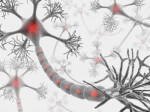
 A preliminary study shows hope for those who suffer with multiple sclerosis. A test, done on mice, shows a possible way to reverse some of the effects of the debilitating disease.
The basics about multiple sclerosis
Multiple sclerosis, or MS, is caused by damage to the myelin sheath, the protective covering that surrounds nerve cells. When this nerve covering is damaged, nerve impulses are slowed down or stopped. It causes severe pain and inflammation, vision problems and twitching.
There is no cure for the disease, but there are treatments to control and manage the symptoms. Approximately 400,000 people in the United States have MS.
The new development
 Scientists injected blood from a young mouse into an older mouse with damage to its myelin sheath. When this new blood was injected, researchers saw a rejuvenation effect take place. The influx of certain immune cells helped partially restore some of the myelin sheath.
“Aging impairs regenerative potential in the central nervous system,” says author Amy J. Wagers, PhD, an associate professor of stem cell and regenerative biology at Harvard University. “This impairment can be reversed, however, suggesting that the eventual development of cell-based or drug-based interventions that mimic the rejuvenation signals found in our study could be used therapeutically.”
What it means for the future
So, what does this new finding mean for those battling MS? Scientists say it will not reverse the symptoms of MS, but it could lead to better treatments.
“For MS sufferers,” says Franklin, “this means that, in theory, regenerative therapies will work throughout the duration of the disease. Specifically, it means that remyelination therapies do not need to be based on stem cell transplantation since the stem cells already present in the brain and spinal cord can be made to regenerate myelin, regardless of a person’s age.”
