


Effective ED Treatment. Private. Convenient. Trusted.
Doctor-prescribed ED medication delivered discreetly to your door.
Physicians
Private
Delivery

ED3 Max Dissolvable ED Pills
Long-lasting results up to 36 hours.
- Up to 36 Hour Window
- Improved Confidence
- Works When You Need It

Sildenafil 25mg
Proven effective treatment.
- Starts Working in 30–60 Min
- Effective, As Needed
- Trusted & Reliable
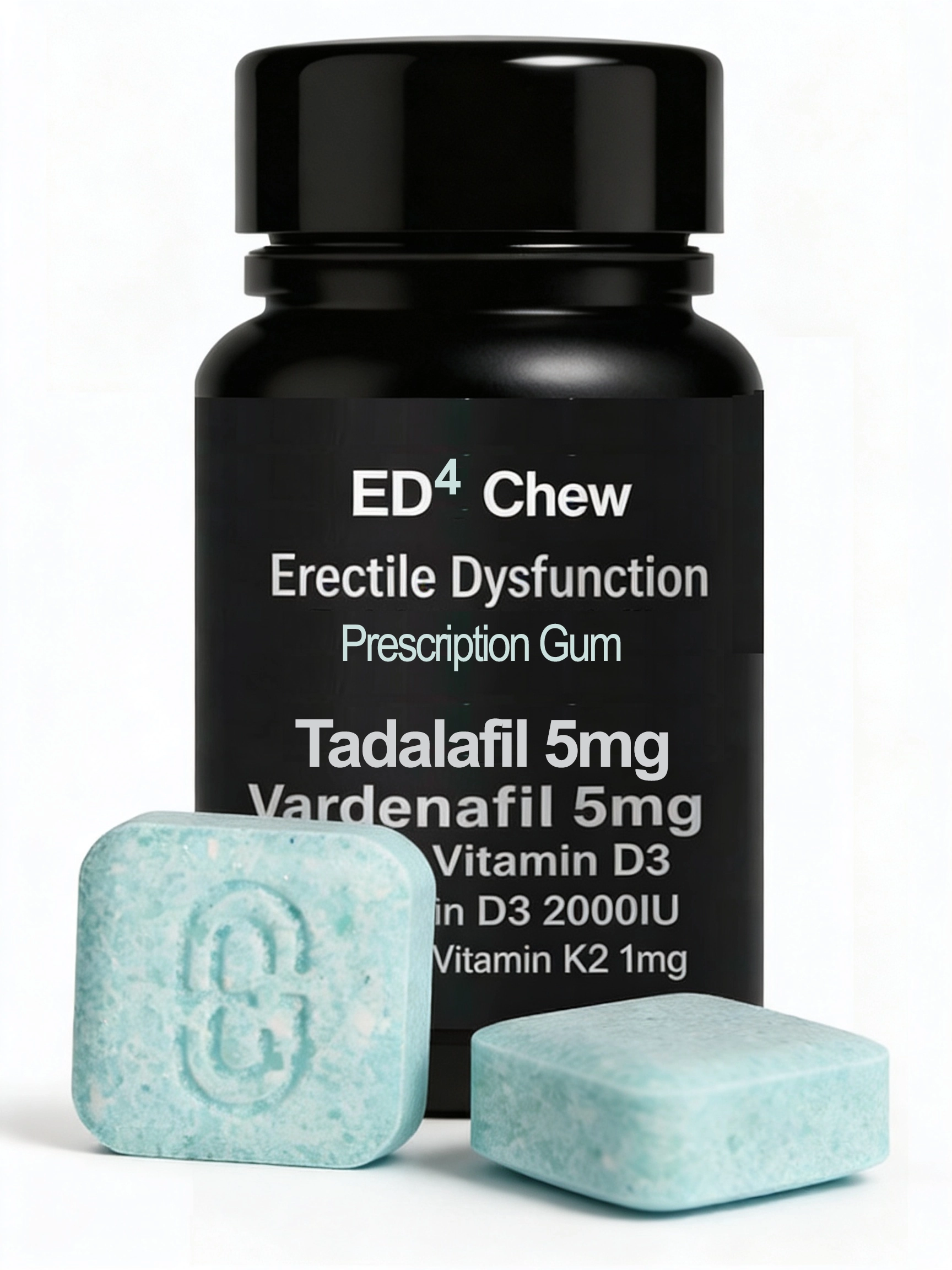
ED4 Chew Gum
Low daily dose for continuous readiness.
- Taken Once Daily
- Continuous Readiness
- Improves Confidence
Highlights
- Chest pain is a potential but infrequent side effect of Viagra.
- Viagra is unlikely to cause a heart attack, but it may, under very rare circumstances, increase a person’s risk for heart attack.
- Viagra has been proven to be safe and effective for most men but should never be taken with nitrate medications, which are often prescribed for men with heart conditions.
- Only take Viagra based on a doctor’s prescription.
- Never ignore chest pain, even if it’s mild and not Viagra-related.
According to the FDA, Viagra chest pain is one of the potential side effects of the popular erectile dysfunction drug. In this post, we look at the connection between Viagra and chest pain, including how frequent it is, what may trigger it, and what you can do to avoid or manage it.
Understanding Chest Pain
Many different conditions and diseases can cause chest pain. Some of these conditions may be as benign as a heartburn or muscle strain. Others, like heart attacks and pulmonary embolisms, may be life-threatening. Always treat chest pain with caution and seek medical help if you are unsure of its origins.
Some of the possible causes of chest pain are:
- Digestive issues. GERD (gastroesophageal reflux disease) and peptic ulcers can cause heartburn and pain in the chest.
- Heart problems. Heart conditions that can cause chest pain include heart attacks and angina, a condition that involves an insufficient supply of oxygen-rich blood to the heart muscle.
- Lung diseases. Pneumonia, inflammation of the lungs, and pleuritis, inflammation of the lining of the lungs, can both cause chest pain. Pulmonary embolism, a blood clot in the lungs, can also cause breathing difficulties and chest pain.
- Panic attacks. Anxiety and panic attacks can cause a feeling of tightness in the chest.
- Muscle problems. Muscle overuse injuries or the inflammation of the cartilage that connects the ribs to the breastbone are possible causes of chest pain.
- Shingles. The varicella zoster (chickenpox) virus can produce a painful rash on the chest.
- Direct trauma. Physical-force trauma to the chest can cause injuries that result in chest pain.
Heart conditions are among the most dangerous sources of chest pain. In addition to heart attacks and angina, heart-related chest pain may also indicate:
- Myocarditis: Inflammation of the heart muscle
- Pericarditis: Inflammation of the sack that surrounds the heart
- Cardiomyopathy: A condition affecting the heart muscle
- Aortic dissection: A tear in the aorta, one of the main arteries carrying blood to and from the heart
You are more likely to experience chest pain if:
- You are an older adult
- You are a male under the age of 65
- You have a family history of heart disease or chest pain
- You drink alcohol, smoke, or do both
- You are obese
- You have high cholesterol levels
- You lead a sedentary life
- You have high blood pressure
- You abuse drugs
- You are exposed to stress
Why Can Viagra Cause Chest Pain?
Sildenafil citrate, the active substance in Viagra, works by dilating blood vessels and reducing blood pressure. In combination with a class of blood-pressure-lowering medications called nitrates, it can lower blood pressure to fatal levels. Bottom line: Viagra (and all other ED medications) and nitrates don’t mix.
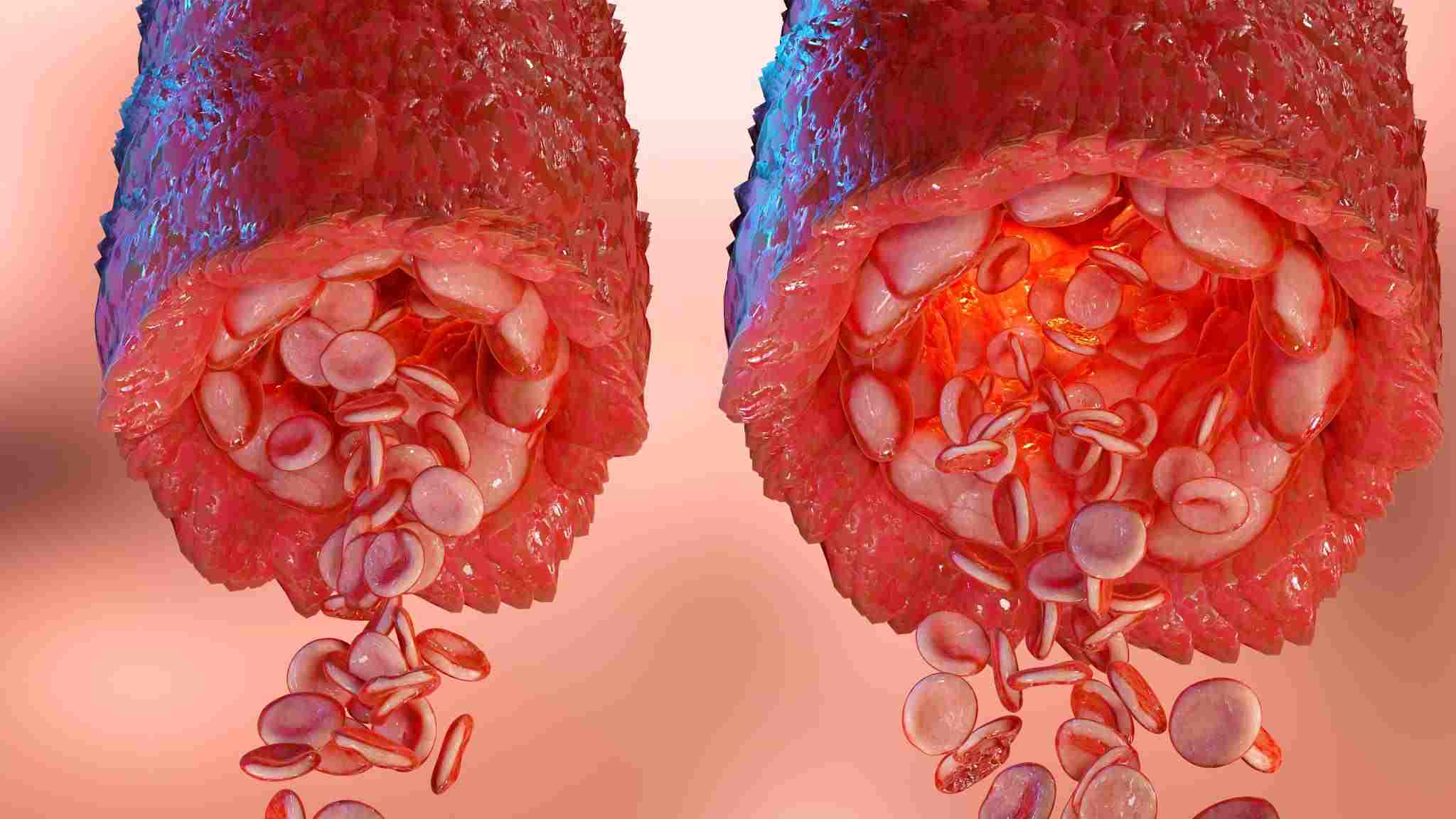
Viagra may cause chest pain due to its effects on blood pressure and the blood vessels. However, according to its FDA label, fewer than 2% of users experience this side effect.
Although Viagra has been linked with fatal accidents in patients with low blood pressure or pre-existing heart conditions, these occurrences are extremely rare. Even within this patient category, doctors aren’t sure whether Viagra alone is to blame for the problems.
Viagra has been proven safe for most men with heart conditions when prescribed by a doctor and taken as directed. Still, the FDA recommends using ED medications with caution for men who have:
- Had a heart attack or arrhythmia in the past six months
- Had a stroke in the past six months
- A history of congestive heart failure or unstable angina
- Low blood pressure or uncontrolled high blood pressure
If you fall into one of these categories, ask your doctor if oral erectile dysfunction medications are safe for you. Be sure all your providers know your complete health history and all medications and supplements that you take.
And never self-administer any ED medication or over-the-counter “male enhancement” product, which can be tainted with hidden sildenafil or tadalafil, the active ingredients in Viagra and Cialis.
Can Viagra Cause a Heart Attack?
While they exist, the links between Viagra and heart attacks are tenuous. Sildenafil’s effects are systemic, meaning the drug relaxes and dilates arteries all over the body, including the heart. Theoretically, it can cause problems for those with heart disease.
Research has found, however, that it does not raise the risk of cardiovascular events and is safe for most men with heart conditions. At least one study has suggested that the cardiovascular accidents doctors attributed to Viagra may have resulted from the physical strain of sexual activity rather than the effects of the drug.
Other studies, such as this one, have suggested that in normal, therapeutic doses, Viagra may actually benefit the heart.
Another theory is that erectile dysfunction may be a symptom of heart disease. If you experience ED, you should talk to your doctor and have its underlying causes treated before you resort to oral ED medication like Viagra.
The bottom line is that Viagra is highly unlikely to cause a heart attack, even in patients with heart disease. However, it’s important that you talk to your doctor about your personal risk and never take Viagra with a nitrate medication or without a prescription from your provider.
How to Tell When Viagra Chest Pain Is Serious?
If you have a history of heart disease, treat all forms of chest pain with extreme caution. Viagra chest pain may signal a serious health condition if it:
- Comes on suddenly and is intense
- Is accompanied by shortness of breath
- Radiates to your arms, back, or jaw
- Appears with physical exertion
- Occurs after you take certain medications
- Triggers lightheadedness, nausea, or sweating
- Causes fainting
- Persists for more than a few minutes
Seek medical help immediately if you experience any of these symptoms. Never ignore your chest pain, no matter its origin. Talk to your doctor about it as soon as possible. Even mild chest pain can have a severe underlying cause.

Managing Viagra Chest Pain
If you think Viagra is causing chest pain, stop taking it and talk to your doctor. To reduce your risk of developing chest pain in general, you can implement some lifestyle changes, like these.
- Eat a heart-healthy diet.
- Get regular exercise.
- Reduce your bad cholesterol levels.
- Keep your weight under control.
- Don’t smoke or drink alcohol.
- Limit caffeine.
- Keep yourself hydrated.
- Keep your blood pressure and blood sugar levels within normal limits.
If you already experience chest pain, your doctors can treat it with medication. To alleviate your symptoms, your doctor may prescribe:
- Blood clot-dissolving drugs
- Blood thinners
- Antidepressants
- Artery relaxers like nitroglycerin
- Aspirin
Doctors may also run tests to determine the cause of your chest pain. Never take chest pain medication without a doctor’s prescription. Strictly observe your doctor’s recommended dosage. Tell your doctor if you suspect a link between chest pain and ED medication.
Preventing Viagra Chest Pain
Discuss your medical history with your doctor to determine whether Viagra is a suitable treatment for your ED. Your doctor can also ensure you don’t take drugs that may interact with Viagra.
Medications that have potential drug interactions with Viagra include:
- Nitrate medications like nitroglycerin and isosorbide
- Alpha-blockers like tamsulosin and prazosin
- Ritonavir
- Amlodipine
Never take these drugs with Viagra.
Alternatives to Viagra That May Not Cause Chest Pain

While chest pain is an uncommon side effect of all prescription oral ED medications, the risk is lower with Cialis, Levitra, and Stendra. Ask you doctor if switching to a different medication makes sense for you.
All of these medications are available as brand-name and less-expensive generic forms.
Conclusion
Chest pain is an unlikely Viagra side effect — less than 2% of people taking Viagra experience it. However, due to its blood-pressure-lowering effects, Viagra may cause problems for some people. Seek medical attention if you experience chest pain after taking Viagra.
If you take a nitrate medication for a cardiovascular condition, ED medications are not a safe choice for you. Although Viagra has otherwise been proven safe for most men — even those with heart conditions — speak to your doctor for personal advice before starting Viagra or any other ED medication or over-the-counter supplement.
If your doctor approves, trying an alternative ED medication might be a good solution.
eDrugstore can Help 
We carry many ED drugs and their generic equivalents. More importantly, our doctors can give you an online consultation, assess your medical history, and set an optimal course for your erectile dysfunction treatment.
Never take drugs like Viagra without a doctor’s prescription. Once our doctors determine the best solution to your problem, order your ED drugs and have them delivered to your home. When you order with eDrugstore, your virtual health consultation and fast, discreet shipping are always free.
Frequently Asked Questions
Is generic Viagra effective?
Yes, generic Viagra is just as effective as the brand-name version. It contains the same active ingredient, sildenafil, and works in the same way to treat erectile dysfunction. The main difference is that generic Viagra is typically more affordable.
How long does it take Viagra to work?
Viagra usually starts working within 30 to 60 minutes after ingestion. However, its effectiveness may vary depending on individual factors like metabolism, the presence of food in your stomach, and other health conditions. For optimal results, take Viagra pills on an empty stomach.
Can I get genuine Viagra pills at online pharmacies?
Yes, you can find genuine Viagra pills at reputable online pharmacies. Ensure the online pharmacy is licensed, requires a prescription, and offers secure payment methods. Always verify that the product is authentic and consult a healthcare provider before purchasing Viagra pills online.
Is it safe to take alcohol after taking a Viagra pill?
It’s generally not recommended to drink alcohol in excess after taking a Viagra pill. Alcohol can reduce the effectiveness of Viagra and increase the risk of side effects like dizziness or headaches. If you do choose to drink, do so in moderation and consult your healthcare provider for personalized advice.

James West is a seasoned health and wellness writer with a focus on topics related to physiology, sleep, and men’s health. He has contributed articles on a range of subjects, from erectile dysfunction treatments and sleep aids to hair loss, providing well-researched insights to help readers make informed health decisions.