


Effective ED Treatment. Private. Convenient. Trusted.
Doctor-prescribed ED medication delivered discreetly to your door.
Physicians
Private
Delivery

ED3 Max Dissolvable ED Pills
Long-lasting results up to 36 hours.
- Up to 36 Hour Window
- Improved Confidence
- Works When You Need It

Sildenafil 25mg
Proven effective treatment.
- Starts Working in 30–60 Min
- Effective, As Needed
- Trusted & Reliable
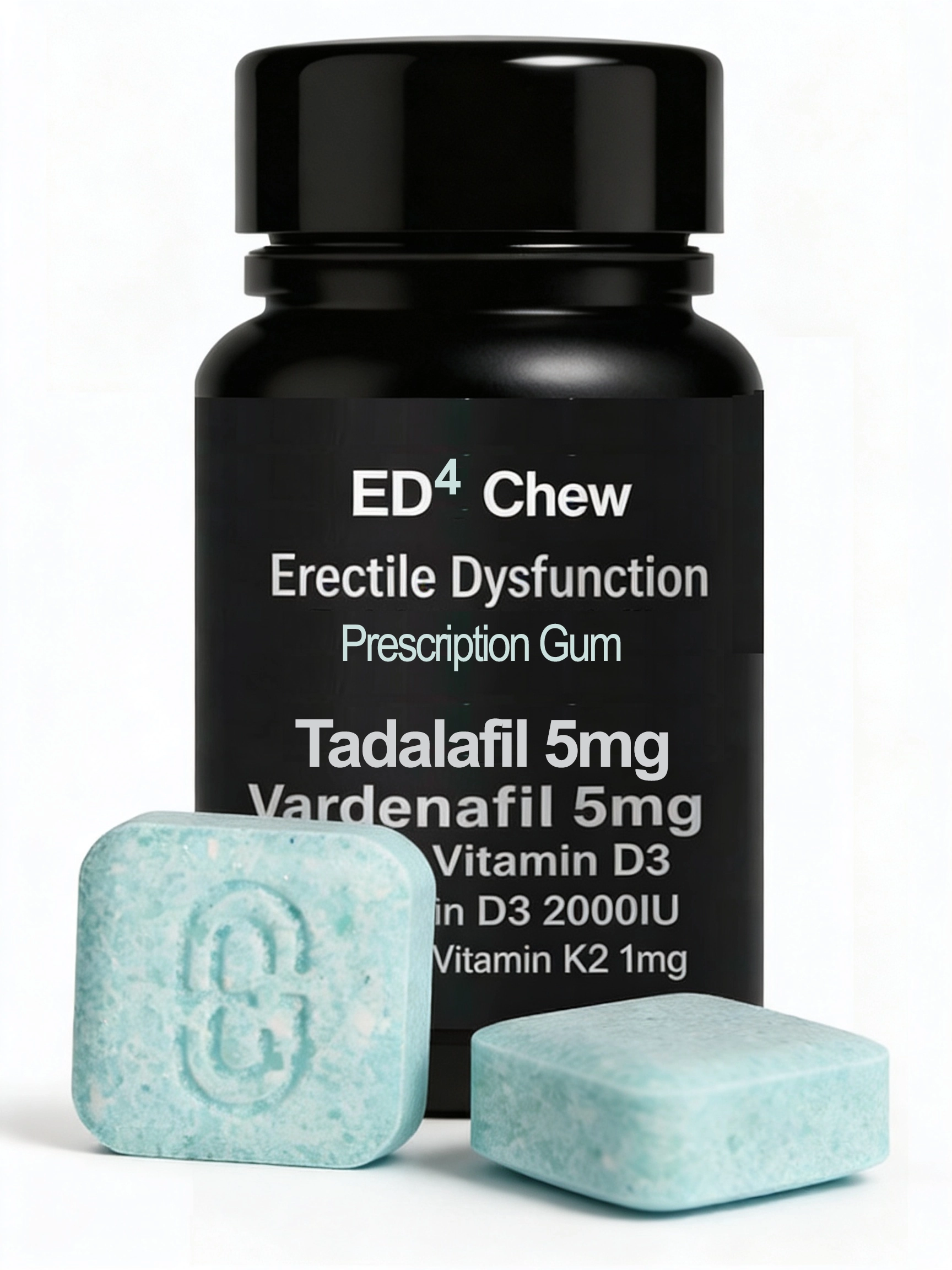
ED4 Chew Gum
Low daily dose for continuous readiness.
- Taken Once Daily
- Continuous Readiness
- Improves Confidence
If you have diabetes and erectile dysfunction, the question of which PDE5 inhibitor actually works better is more than academic. Diabetic ED is harder to treat than garden-variety ED, and the choice between sildenafil (Viagra) and tadalafil (Cialis) genuinely matters for how often these drugs work for you and how you feel using them.
The short version: both are FDA-approved, both work for most men with diabetes, but the response rate is lower than in non-diabetic men, and the two drugs feel very different in daily life. One lasts four to six hours. The other can stay active for a day and a half.
Here’s what the evidence actually says, and how clinicians tend to think about picking between them.
Why Diabetic ED Is Different
Diabetes damages the small blood vessels and nerves that make erections work. According to the National Institute of Diabetes and Digestive and Kidney Diseases, roughly half of men with diabetes will develop ED, often 10 to 15 years earlier than men without diabetes. The mechanism is a mix of endothelial dysfunction, autonomic neuropathy, and reduced nitric oxide signaling, which is exactly the pathway PDE5 inhibitors target.
That overlap is good news and bad news. Good news: the drugs do work. Bad news: response rates run about 10 to 20 percentage points lower than in non-diabetic men, and higher doses are often needed. A 2020 review in the Journal of Sexual Medicine found roughly 56% to 72% of diabetic men respond to sildenafil versus 70% to 85% of non-diabetic men. Tadalafil numbers track similarly.
So the question isn’t really "do they work." It’s which one fits your life and your physiology better.
Sildenafil for Diabetic ED: The Workhorse
Sildenafil has the longest track record. FDA-approved in 1998, it’s been studied extensively in diabetic populations, and the data are solid. Onset is typically 30 to 60 minutes, and the duration is around 4 to 6 hours.
What I see most often with diabetic patients on sildenafil:
- Many need the 100 mg dose to get a reliable response, where non-diabetic men often do fine at 50 mg
- Food, especially a heavy or fatty meal, noticeably delays onset
- Headache, flushing, and nasal congestion are the most common complaints in the first few weeks
- Vision changes (a bluish tint) happen in a small subset and almost always resolve
The on-demand dosing is the main appeal. You take it when you need it. Nothing in your system the rest of the time. For men who have sex once or twice a week, that’s often the cleaner choice.
If you’re newer to ED treatment and want to understand how sildenafil compares to other on-demand options, our breakdown of Viagra, Cialis, and Levitra side by side is a useful starting point.
Tadalafil for Diabetic ED: The Long-Acting Option
Tadalafil is the longer-acting cousin. Half-life around 17.5 hours, with clinical effect lasting up to 36 hours, which is why it earned the "weekend pill" nickname. It also comes in a low-dose daily formulation (2.5 mg or 5 mg) that keeps a steady level in your system.
For diabetic ED, tadalafil has two real advantages worth knowing:
- The long window removes the timing pressure. You don’t have to plan around a 30-minute onset
- Daily low-dose tadalafil produces continuous PDE5 inhibition, which some studies suggest improves endothelial function over time, a meaningful consideration in diabetes
A 2019 meta-analysis published via NIH/PubMed looking at diabetic men found tadalafil 20 mg on-demand achieved successful intercourse in roughly 64% of attempts, with both back pain and muscle aches showing up more often than with sildenafil. Those side effects come from tadalafil’s mild activity at PDE11, and they usually fade within a few days.
Daily tadalafil is also useful if you have BPH symptoms (very common in older diabetic men), because it’s FDA-approved for both conditions at once. If blood pressure medication is in the mix, our guide on combining tadalafil with blood pressure drugs is worth reading before you start.
Head-to-Head: Which Wins for Diabetic ED?
The honest answer is that no large, well-designed head-to-head trial has crowned a clear winner for diabetic ED. What the literature does suggest:
- Response rate: roughly comparable, both in the 55% to 70% range for diabetic men at optimal doses
- Patient preference: in studies that asked diabetic men to try both, slim majorities (55% to 70%) preferred tadalafil, mostly citing spontaneity
- Side effect profile: sildenafil tilts toward visual changes and flushing, tadalafil toward back pain and myalgia
- Daily option: only tadalafil offers a true daily low-dose formulation
If you have unpredictable sexual activity, a partner who appreciates not being on a clock, or coexisting BPH, tadalafil tends to win. If you want a short-acting drug, no daily commitment, the longest safety record, and often a lower cash price, sildenafil is hard to beat.
Cost is real, too. Generic sildenafil is one of the cheapest prescription drugs in the US right now, often under $1 a tablet with a discount. Generic tadalafil is more expensive but still affordable. You can compare generic sildenafil and tadalafil pricing at edrugstore.com to see what your out-of-pocket would actually be.
If you want to look beyond these two, our piece on vardenafil as an alternative covers a third option that some diabetic men respond to when sildenafil falls short.
Safety Considerations Specific to Diabetes
A few things worth flagging for any diabetic man considering a PDE5 inhibitor:
- Nitrates are an absolute contraindication. If you take nitroglycerin or any nitrate for chest pain, you cannot take sildenafil or tadalafil. The combination can drop blood pressure dangerously.
- Alpha-blockers (often used for BPH or blood pressure) require careful dose separation
- Cardiovascular fitness matters. Sex is exercise. If you haven’t had your heart evaluated and you have diabetes plus other risk factors, ask first
- Hypoglycemia awareness can blur when you’re focused on sex. Worth a heads-up if you’re on insulin or sulfonylureas
The American Diabetes Association recommends routinely screening men with diabetes for ED, because it’s both common and often an early signal of broader cardiovascular disease.
The Bottom Line on Diabetic ED Treatment
For most men with diabetic ED, both sildenafil and tadalafil are reasonable first-line options, and the better drug is the one that fits your timing, your side effect tolerance, and your budget. Sildenafil is shorter, cheaper, and on-demand. Tadalafil is longer, more flexible, and uniquely available as a daily pill.
Talk to your prescriber about which makes sense for you, especially if you have BPH, take blood pressure medication, or have tried one PDE5 inhibitor without success. Diabetic ED often responds better when the dose, timing, and choice of drug are matched to the patient rather than picked off a shelf.
This article is for informational purposes only and is not medical advice. Always consult a licensed pharmacist or physician before starting, stopping, or changing any medication.
References
- NIDDK, Diabetes, Sexual, and Bladder Problems, background on diabetic ED prevalence and mechanism.
- FDA, Drug Approvals and Databases, regulatory status of sildenafil and tadalafil.
- PubMed / NIH National Library of Medicine, clinical trial and meta-analysis data on PDE5 inhibitors in diabetic populations.
- American Diabetes Association, screening guidance for ED in men with diabetes.

Dr Steven Schlosser
Dr. Schlosser graduated from Lafayette College Phi Beta Kappa and attended Georgetown Medical School. He had 4 years of medical residency training at Tufts University in Boston in both Gynecology and Internal Medicine. He has had a spotless medical career for the past 40+ years and is Board Certified. Learn More