
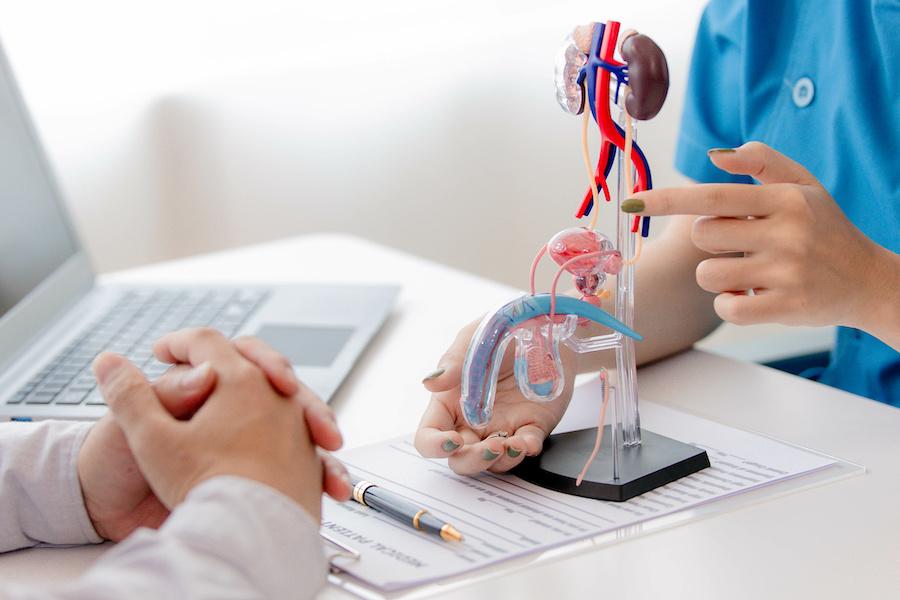

Effective ED Treatment. Private. Convenient. Trusted.
Doctor-prescribed ED medication delivered discreetly to your door.
Physicians
Private
Delivery

ED3 Max Dissolvable ED Pills
Long-lasting results up to 36 hours.
- Up to 36 Hour Window
- Improved Confidence
- Works When You Need It

Sildenafil 25mg
Proven effective treatment.
- Starts Working in 30–60 Min
- Effective, As Needed
- Trusted & Reliable
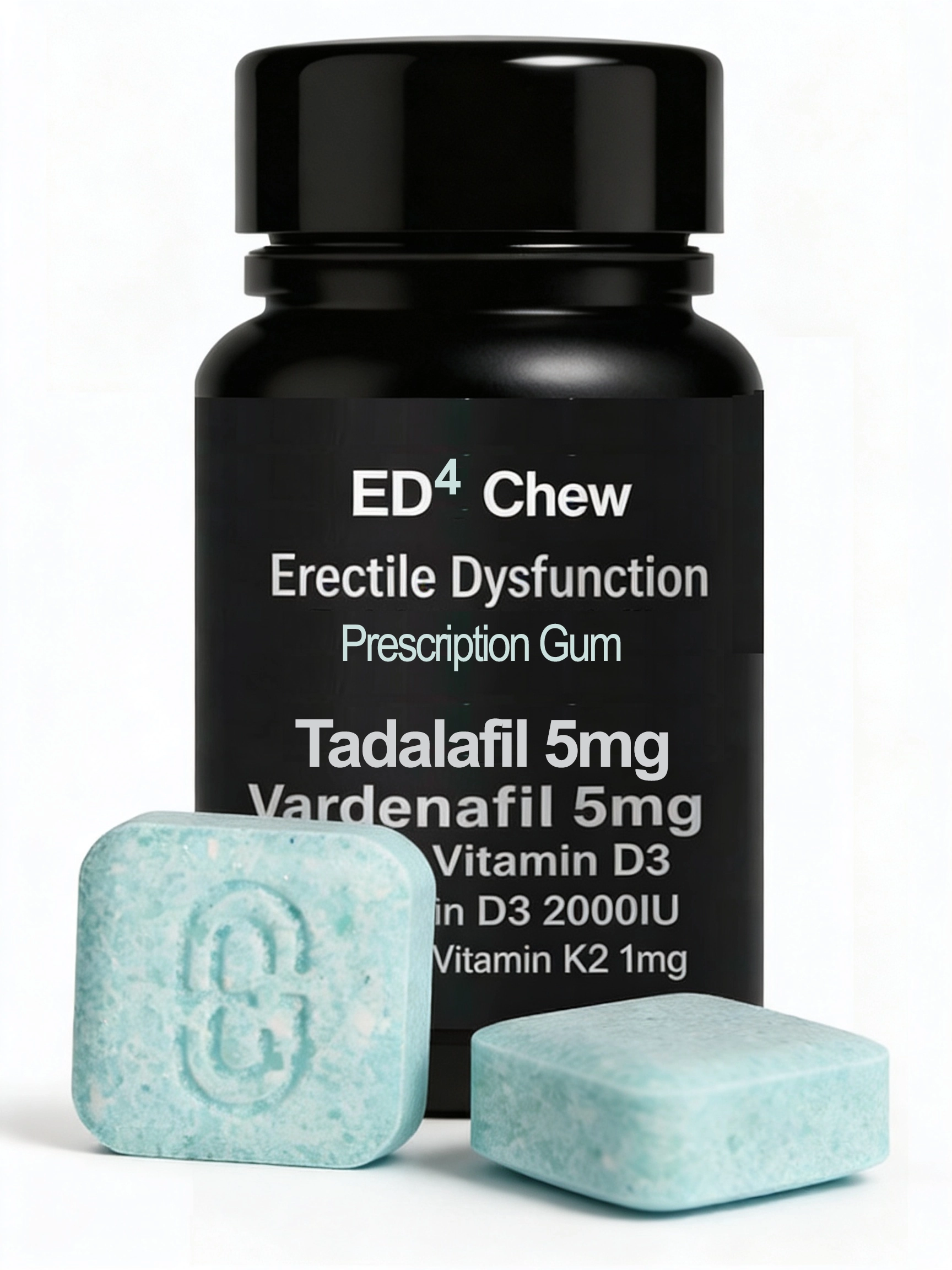
ED4 Chew Gum
Low daily dose for continuous readiness.
- Taken Once Daily
- Continuous Readiness
- Improves Confidence
Highlights
- The Penuma implant offers a permanent solution for enhancing penile appearance.
- Recent advancements, like the concealed scrotal method, promise better outcomes and higher patient satisfaction.
- Current research supports the safety and effectiveness of the Penuma implant, with minimal complications.
- The Penuma implant effectively increases penis size, but it doesn’t treat erectile dysfunction.
Designed to enhance the length and girth of the flaccid penis, the Penuma implant is the first FDA-cleared device tailored specifically for penile enhancement. This blog post will explore recent advancements in the Penuma implant procedure, highlighting improvements in patient outcomes and safety profiles.
What Is the Penuma Implant?
The Penuma implant is a cosmetic silicone device designed to enhance the length and girth of the flaccid penis. The Penuma is the first FDA-cleared implant tailored specifically for penile enhancement. Unlike temporary injection-based methods, the Penuma ensures lasting results, providing men with a larger penis indefinitely.
This innovative procedure not only enhances physical appearance but also aims to boost self-esteem and potentially improve sexual experiences. With its straightforward design and high patient satisfaction rates, the Penuma implant offers a promising solution for those seeking permanent penile enhancement without the need for continuous medication or temporary fixes.
New Developments
Recent advancements in the Penuma implant procedure offer exciting improvements. A new concealed scrotal method reduces scarring and postoperative complications. Initial findings suggest quicker recovery and enhanced patient satisfaction.
Latest Research on the Penuma Implant

The latest research findings highlight positive outcomes and a favorable safety profile of the Penuma implant. Despite a low number of reported complications such as infection and erosion, overall success rates remain favorable. These promising findings offer reassurance to those considering penile enhancement procedures.
Success Rates and Patient Satisfaction
Recent research has highlighted high patient and partner satisfaction rates with the Penuma implant. Patients report improvements in self-esteem and self-confidence, with the majority expressing high levels of satisfaction even years after the procedure.
A single-center study found that patients experienced a significant increase in flaccid penile length. Patients experienced an average addition of 4.9 centimeters, or 1.92 inches, a 52 percent increase.
A larger multi-institutional study following 169 patients showed similar outcomes, with minimal complications and significant increases in both length and girth. On average, the men’s penis length increased by 3.8 centimeters (1.49 inches) and girth increased by 3.4 centimeters (1.33 inches) after surgery.
These findings suggest that the Penuma implant is a safe and effective option for enhancing penile appearance with low risk.
Safety Profile
Current research suggests that the Penuma implant is a safe and effective option for enhancing penile aesthetics. Available studies have found low complication rates and minimal risks.
For example, the single-center study revealed successful outcomes in terms of increased penile length and girth, with low rates of complications or adverse events. Out of 49 participants, only seven reported complications at follow up. These complications were generally considered mild and treatable.
These results support the safety profile of the implant, reassuring patients seeking cosmetic enhancement.
Complications
While the Penuma implant is generally considered safe, complications can occur. These complications are largely manageable and typically cosmetic in nature.
The most common complications include:
- Infection
- Device migration or extrusion
- Pain
- Seroma (fluid buildup)
- Dissatisfaction with results
Important Considerations

When contemplating a Penuma implant, remember the importance of realistic expectations, choosing a qualified surgeon, and understanding that the procedure may not be suitable for everyone.
Realistic Expectations for Sexual Function
The Penuma implant isn’t a substitute for erectile dysfunction treatments. While the implant enhances the appearance of the flaccid penis, it doesn’t directly impact its function during arousal.
In addition to sexual function, the Penuma implant doesn’t guarantee improved sexual confidence or sexual satisfaction. Men who experience performance anxiety or who fixate on penis size may benefit from the support of a counselor or sex therapist to address any underlying concerns they have related to their sex life.
Qualified Surgeon
Choose a highly experienced surgeon who specializes in Penuma implant procedures to minimize risks and optimize outcomes.
Not For Everyone
The Penuma implant isn’t suitable for everyone. A doctor will assess if you’re a good candidate based on factors like your medical history, anatomy, and psychological state.
Men with certain health conditions or who experience body dysmorphia might not be good candidates for the procedure. Your doctor might send you to other specialists to make sure you’re ready. The goal is to make sure you’re healthy and feel good about yourself before getting the implant.
Risks vs. Benefits
Before getting the Penuma implant, think about its possible risks and benefits. While the implant may offer aesthetic enhancement, it’s crucial to understand any associated risks, such as infection or device migration. Balancing these factors can help you determine if the procedure aligns with your goals and concerns.
Penile Rehabilitation
Patients who experience complications or cosmetic concerns can undergo revision surgery or penile rehabilitation. These penile rehabilitation programs aim to restore the penis’s appearance after Penuma implant removal. Recent research indicates that these programs have been successful in restoring satisfaction and penile aesthetics, especially in cases where removal is needed due to dissatisfaction or medical issues.
As advancements continue, acceptance of Penuma grows, offering hope for those seeking safe and effective penile enhancement options.
The Bottom Line
The Penuma implant offers a lasting solution for those seeking to enhance the appearance of their penis. It’s FDA-cleared and provides permanent results, unlike temporary methods like injections.
Recent improvements, like the concealed scrotal method, promise better outcomes and patient satisfaction. Current research supports its safety and effectiveness, with minimal complications.
However, it’s essential to weigh the risks and benefits with your doctor and to manage your expectations. Remember, the Penuma implant effectively increases penis size, but it doesn’t treat erectile dysfunction.
For that, your best treatment option is an FDA-approved erectile dysfunction medication like Viagra, Cialis, or vardenafil.
eDrugstore: Your Best Source for ED Medications
If you’re concerned about your sexual function, eDrugstore can help. Enjoy our free telehealth consultations, no-charge shipping, and competitive prices on prescription ED medications. Take the first step towards a better sex life by exploring your options on our erectile dysfunction page today.
Disclaimer: This article provides general information about health and related topics but is not intended as a substitute for professional medical advice, diagnosis, or treatment. Always seek the advice of your physician or other qualified health provider with any questions you may have regarding a medical condition.

Shelby is a public health professional with research and field experience in sexual and reproductive health. She holds a Master of Public Health (MPH) and is a Certified Health Education Specialist (CHES).