

Effective ED Treatment. Private. Convenient. Trusted.
Doctor-prescribed ED medication delivered discreetly to your door.
Physicians
Private
Delivery

ED3 Max Dissolvable ED Pills
Long-lasting results up to 36 hours.
- Up to 36 Hour Window
- Improved Confidence
- Works When You Need It

Sildenafil 25mg
Proven effective treatment.
- Starts Working in 30–60 Min
- Effective, As Needed
- Trusted & Reliable
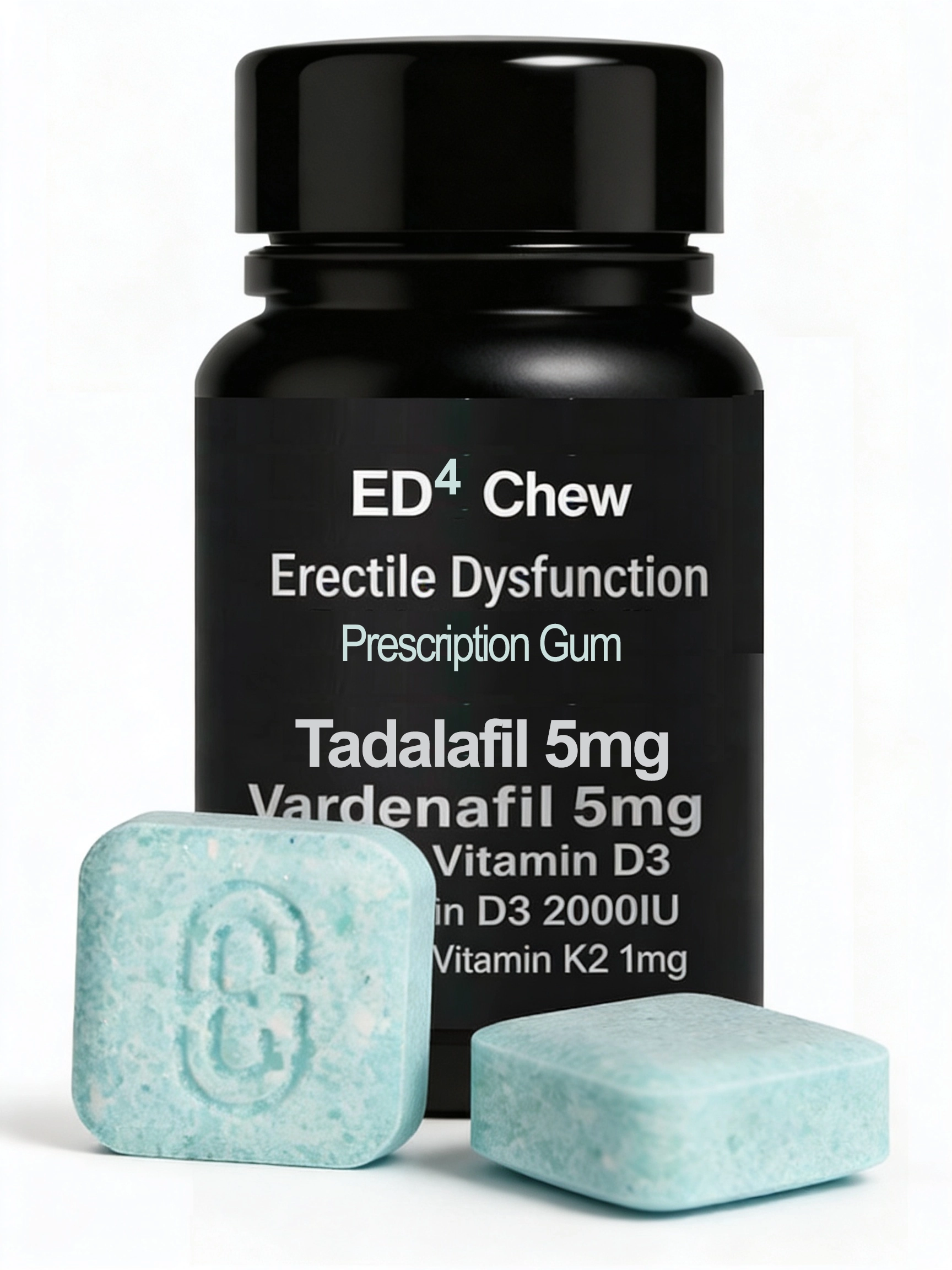
ED4 Chew Gum
Low daily dose for continuous readiness.
- Taken Once Daily
- Continuous Readiness
- Improves Confidence

The headlines in recent months have been full of allegations of sexual harassment and even assault against women by powerful men in the entertainment industry, sports, politics, and media.
In some cases such as that of motion picture mogul Harvey Weinstein, there have been admissions that some degree of inappropriate behavior — although rarely criminal conduct — took place.
All too often, those implicated in such scandals tend to blame their problems on sex addiction. They solemnly acknowledge that they need help, which usually comes in the form of a few weeks at a rehab facility that specializes in the treatment of sex addiction and other sexual disorders. Like a recovering alcoholic or drug addict, they express the hope that once treated for their overpowering addiction they will be given a second chance.
Or Is It Just a Cop-out?
All of which begs the question about the legitimacy of the sex addiction excuse. Not surprisingly, this question is a controversial one with some experts arguing convincingly that this form of addiction to sex is a very real problem, while others suggest that no such form of addiction exists. Most in the latter camp contend that sex addiction is little more than a flimsy excuse for bad behavior.
In an article posted at BusinessInsider.com, writer Lindsay Dodgson says use of the so-called sex addiction excuse or explanation dates back to the early 1990s when actor Michael Douglas spent time at Sierra Tucson, widely considered one of the nation’s top in-patient sex addiction treatment centers. To be fair, Douglas said he went to the center to overcome a problem with alcohol, but widespread rumors have suggested otherwise.
Women Are Also Offenders
Although most of the news about sexual harassment and subsequent acknowledgements of a sex addiction problem involve men, it is estimated that about a third of self-described sex addicts are women. Dodgson suggests that women may be underrepresented in sex addiction studies because they are less likely to believe they have a problem and thus seek help.
Addictions to alcohol and a wide array of other drugs are considered mental disorders by the American Psychiatric Association as well as the American Medical Association. However, the Diagnostic and Statistical Manual of Mental Disorders, or DSM, APA’s guide to all manner of mental illness, does not identify sex addiction as a mental disorder. In fact, the APA in 2010 rejected a proposal to add sexual addiction to the DSM.
WHO Says Sex Addiction Is for Real
In contrast, the International Statistical Classification of Diseases and Related Health Problems, or ICD, maintained by the World Health Organization, does list “excessive sexual drive” as a legitimate diagnosis. Under that classification are the subtypes “nymphomania” and “satyriasis,” somewhat antiquated terms for excessive sexual drive affecting women and men, respectively.
Those skeptical of sex addiction’s identity as a real form of addiction contend that so-called sex addicts suffer no withdrawal symptoms when they cease being sexually active. This is in stark contrast to the withdrawal symptoms experienced by alcoholics and drug addicts when they are cut off from their drug of choice. Depending on the degree of their addiction, such withdrawal symptoms include shaking, profuse sweating, muscle spasms, delirium, vomiting, diarrhea, and abdominal pain.
‘A Phenomenon of Pop Psychology’
Among the most outspoken opponents to codification of sex addiction as a mental disorder is clinical psychologist David Ley, executive director of Albuquerque-based New Mexico Solutions, a large outpatient mental health and substance abuse program. In a July 2013 article posted on the website of Addiction Professional, Ley observes that “sex addiction has been a powerful and enduring phenomenon of pop psychology, but its privileged status may be coming to an end.”
Ley chronicles the growth of an industry built around the notion that sex addiction is a real mental disorder. The so-called sex addiction industry, he writes, includes treatment programs, self-help books, and 12-step groups, all of which support “the idea that sex can addictive and destructive.”
Changes in Clinical Practice Predicted
Ley acknowledges that contemporary society’s “addiction to addiction” and the media’s knee-jerk tendency to explain away any problematic sexual behavior as “sex addiction” are not likely to go away anytime soon. However, he predicts that the inclusion of the sex addiction concept in clinical practice will soon become marginalized. “Young therapists tomorrow will be faced with developing competence in empirically supported and culturally sensitive treatments. I suspect they will have little time to spend on an alleged disorder if they cannot diagnose it, cannot bill for it, and cannot defend it with evidence.”
Opposing View Is Voiced
Licensed clinical social worker Robert Weiss is a certified sex addiction therapist. He has spent more than three decades treating sex addiction and other intimacy disorders and is the author of “Sex Addiction 101: A Basic Guide to Healing from Sex, Love, and Porn Addiction.” As one might expect of a man with these credentials, he is a strong believer that sex addiction is a real problem that should be codified as a legitimate mental disorder.
In an article written for the September-October 2012 issue of Counselor: The Magazine for Addiction Professionals, Weiss says that it’s understandable that there is controversy “when any form of inherently healthy human behavior such as eating, exercise, or sex is clinically designated as pathological.”
It’s a Real Problem
However, Weiss argues, sex addiction is indeed a real problem, one that has increased in incidence and intensity with the advent of easy access to “stimulating graphic pornography and anonymous sexual liaisons via the Internet.” Including sex addiction in the DSM would provide a legitimate diagnosis and “a useful retort to those emotionally and psychologically damaging terms such as ‘nympho,’ ‘slut,’ and ‘pervert.’”

Codifying sex addiction as a mental disorder should not be construed as a way to give sexual harassers and assailants legal cover for their bad behaviors, says Weiss. “Sex addicts are absolutely responsible for the hurt and loss left in the wake of their sexual acting out, but having the problem also does not make them bad or unworthy people.”
If this article has captured your interest and you would like to read more about sexual health and function, as well as other topics of consumer health interest, follow our blog.

We specialize in providing our over 1,000,000 customers with relevant product and condition information created by our professional editorial staff which includes our team of medical writers, medical practitioners, and health educators. eDrugStore.com Staff on Facebook