


Effective ED Treatment. Private. Convenient. Trusted.
Doctor-prescribed ED medication delivered discreetly to your door.
Physicians
Private
Delivery

ED3 Max Dissolvable ED Pills
Long-lasting results up to 36 hours.
- Up to 36 Hour Window
- Improved Confidence
- Works When You Need It

Sildenafil 25mg
Proven effective treatment.
- Starts Working in 30–60 Min
- Effective, As Needed
- Trusted & Reliable
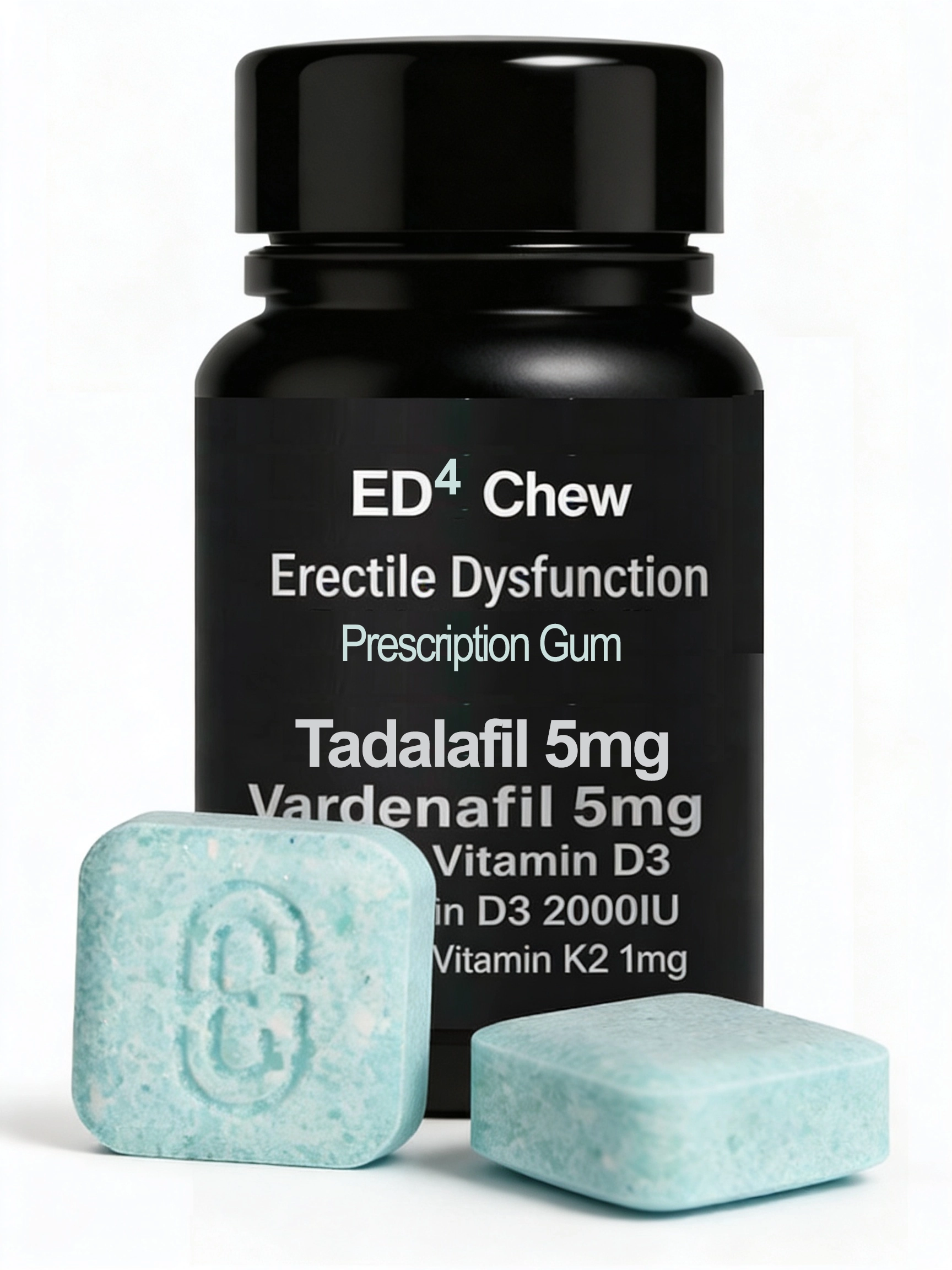
ED4 Chew Gum
Low daily dose for continuous readiness.
- Taken Once Daily
- Continuous Readiness
- Improves Confidence
When intimacy, desire, and connection are concerned, each relationship is different—but there’s one question that somehow always arises: how many times in a month does a guy need sex?
There is no number that is right for everyone, naturally, but awareness of the typical patterns of male sexual needs can help communication, intimacy, and relationship health in general. From biological desires to emotional closeness, this article explores the sexual needs of men, backed by science and expert advice.
Is There a “Normal” Number?
Let’s get one thing straight—there is no perfect or “normal” number of times a guy should have sex per month. Sex frequency is determined by age, relationship stage, health, stress, and individual libido.
A study found in the nbcnews revealed that the average adult couple makes love approximately 54 times per year—slightly more than once a week. That’s about 4 to 5 times per month.
But when men are asked directly how often they want sex, the numbers tend to be higher.
In a study conducted by relationship researcher Shaunti Feldhahn, it was found that most men—whether married or in long-term relationships—said they would ideally like sex few times per week. This indicates that most men want intimacy more frequently than it actually happens.
So, how frequently does a man require sex? Although it’s not a science, most men say they want sex 8 to 12 times a month.
The Emotional Side of Desire
It is a myth to say that men have sex for physical reasons alone. Guys need sex not only to fulfill physical needs but also to be emotionally connected, valued, and assured in their relationships.
Sex usually serves as an emotional reassurance for men. According to Feldhahn’s research, many men equate physical intimacy with acceptance and affirmation. A decline in sexual activity may not just feel like a dry spell—it can feel like emotional distance.
That’s why treating the sexual needs of men is not simply a matter of frequency. It’s about understanding how much intimacy matters to a man’s emotional well-being, sense of self, and satisfaction in his relationships.

Factors That Affect Male Sexual Frequency
Several key factors influence how often men want and need sex in each month:
1. Age and Hormones
Testosterone has a significant role in sexual desire among males. Teen and young adult males might experience strong libido, but sexual desire can also gradually decrease with age. Nevertheless, a majority of older men are sexually active even in their 60s and above
2. Relationship Dynamics
The more recent the relationship, the more sex there will be due to novelty and greater attraction. Over time, sex frequency may diminish—but emotional intimacy, communication, and work can maintain a healthy sexual relationship.
3. Health and Stress
Physical health, medication, and stress can also influence libidos. Desires can be lowered in men who have health issues or are extremely stressed, which may sometimes get mixed up in relationships.
4. Communication
How open couples communicate about sex is important. When each feels safe expressing their needs, the likelihood of a fulfilling sexual relationship is greater.
Quality vs. Quantity
While average sex frequency for couples is easy to count, the quality of intimacy also plays a big role. A man may not just want more sex—he may want more meaningful, fulfilling sex that fosters emotional closeness and trust.
Focusing on connection, attentiveness, and mutual satisfaction can meet the sexual needs of men more effectively than simply aiming for a number.
What to Do When There’s a Mismatch?
It’s normal in relationships for one person to desire sex more than the other. When that occurs, resentment and distance can build if the issue isn’t brought up.
The answer isn’t always simply to “have more sex.” It’s about knowing what’s driving the desire, establishing emotional safety, and making compromises that both partners feel heard and valued.
For men, approaching these discussions respectfully and truthfully can establish trust. For partners, being willing to listen to what sex is about emotionally—not merely physically—can change the dynamic for the better.
So, how many times a month does a man need sex? Though the average may be around 4 to 5 times, most men report that they need and want intimacy 8 to 12 times a month or more. It’s not about the numbers—it’s about what sex is all about: connection, affirmation, and closeness.
Knowing that men require sex for emotional as well as physical purposes serves to dispel stereotypes and enhance relationships. Satisfying the sexual needs of men involves honest communication, understanding, and a joint effort to stay close—both physically and emotionally.
For men struggling with intimacy, desire, or performance, eDrugstore provides access to reliable, doctor-approved medications. They offer discreet, medically approved treatment for ED and other intimacy issues, so men can feel confident and connected—on their own terms.
Frequently Asked Questions
1. Is there a recommended number of times a man should have sex in a month?
There is no fixed number that applies to all men. Sexual needs vary based on age, health, relationship dynamics, and personal preferences. What matters most is that the frequency feels satisfying for both partners and supports emotional and physical connection.
2. How do age and health influence how often a man wants sex?
Age can naturally affect sexual desire, with younger men often experiencing higher libido and older men sometimes noticing a gradual decline. Health plays an equally important role—conditions like heart disease, diabetes, hormonal imbalances, or certain medications can reduce sexual interest. Good overall health tends to support a stronger and more consistent sex drive.
3. Do men generally have a higher sex drive than women?
On average, studies suggest that men may experience sexual desire more frequently than women, but this is not true for everyone. Libido is shaped by many factors, including hormones, stress, relationship satisfaction, and emotional well-being. Individual differences are far more important than general trends.
4. Is there a difference in sexual needs between single men and men in long-term relationships?
Single men may experience desire differently, often driven by novelty and physical attraction, while men in long-term relationships may find sexual needs intertwined with emotional intimacy and shared experiences. Relationship stability, communication, and comfort can all influence how sexual needs are expressed.
5. Does sexual frequency naturally change over time in a relationship?
Yes, it is normal for sexual frequency to shift over time. Early in a relationship, desire may be more frequent due to excitement and novelty. As years pass, changes in lifestyle, responsibilities, and familiarity can influence how often couples are intimate. This does not necessarily mean reduced satisfaction—it simply reflects evolving dynamics.
6. How does stress or work pressure affect a man’s sexual desire?
Stress and long work hours can lower libido by reducing energy levels, increasing fatigue, and causing mental distraction. When stress hormones are high, the body may prioritize rest and recovery over sexual activity. Finding ways to relax and balance work-life pressures can help restore desire.
7. Can lifestyle habits like diet, exercise, and sleep impact how often a man wants sex?
Yes, healthy lifestyle choices can significantly influence sexual desire. A balanced diet supports hormone production, regular exercise improves circulation and stamina, and adequate sleep boosts energy and mood. Poor lifestyle habits can have the opposite effect, lowering both libido and overall sexual satisfaction.
8. Is it normal for partners to have different sexual frequencies?
Yes, mismatched sexual desire is common in relationships. Differences can be influenced by stress, physical health, emotional connection, and personal libido levels. What matters is how couples communicate about these differences and find a balance that works for both.
9. How can couples maintain a healthy sex life over many years?
Long-term sexual health often relies on open communication, prioritizing intimacy, and keeping emotional connection strong. Trying new experiences together, showing physical affection outside of sex, and addressing concerns early can help sustain desire and satisfaction over time.
10. When should a couple seek professional help for mismatched desires?
If differing levels of sexual desire are causing ongoing tension, emotional distance, or feelings of rejection, it may be time to seek guidance. A therapist or sexual health professional can help couples understand the underlying causes and work toward solutions that meet both partners’ needs.

Dr Steven Schlosser
Dr. Schlosser graduated from Lafayette College Phi Beta Kappa and attended Georgetown Medical School. He had 4 years of medical residency training at Tufts University in Boston in both Gynecology and Internal Medicine. He has had a spotless medical career for the past 40+ years and is Board Certified. Learn More