


Effective ED Treatment. Private. Convenient. Trusted.
Doctor-prescribed ED medication delivered discreetly to your door.
Physicians
Private
Delivery

ED3 Max Dissolvable ED Pills
Long-lasting results up to 36 hours.
- Up to 36 Hour Window
- Improved Confidence
- Works When You Need It

Sildenafil 25mg
Proven effective treatment.
- Starts Working in 30–60 Min
- Effective, As Needed
- Trusted & Reliable
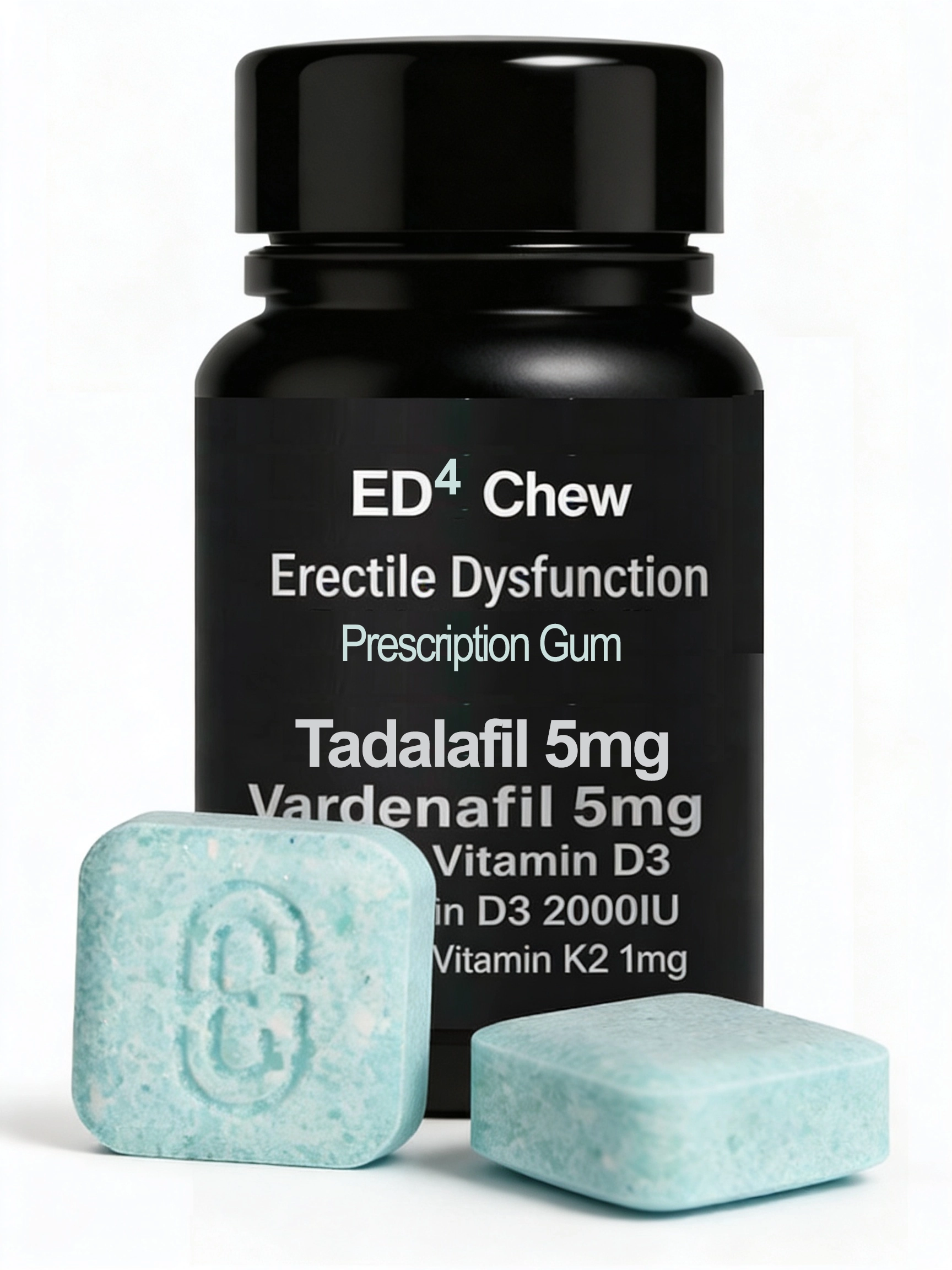
ED4 Chew Gum
Low daily dose for continuous readiness.
- Taken Once Daily
- Continuous Readiness
- Improves Confidence
One of the most searched questions among couples is: how often do married couples have intercourse? It’s not surprising—many people wonder if their sex life is “normal,” especially as they move through different life stages. The truth is, there’s no one-size-fits-all answer, but data does give us a good idea of what the average looks like.
Knowing the average frequency of sex among married couples can reduce anxiety, initiate healthy discussions between partners, and remind couples that changes in intimacy are completely normal.
Why Sex Frequency Changes in Marriage?
Sex in marriage can be affected by a myriad of factors:
- Age and health
- Length of the relationship
- Stress and work-life balance
- Parenting responsibilities
- Physical or emotional intimacy
- Hormonal changes
It’s important to note that frequency isn’t always an indicator of satisfaction. Some couples may have sex less often but still feel deeply connected, while others may have frequent sex but experience emotional distance. The focus should always be on mutual satisfaction, not just numbers.
What the Research Says
Based on various studies and expert opinion, the average sex frequency for married couples is close to once a week. But this is a rough estimate – actual frequency varies widely with age.
Let’s break it down by age group.
In Their 20s and 30s
Younger couples, especially those newly married, tend to have sex more frequently. On average, couples in their 20s and early 30s report having sex two to three times per week, though this often declines slightly after the honeymoon phase.
Several factors contribute to this higher frequency:
- Higher libido
- Fewer medical issues
- Early excitement in the relationship
- Fewer family or work-related obligations (for some)
Still, the average frequency of intercourse married by age begins to shift as couples settle into routines and face new responsibilities.
In Their 40s and 50s
For couples who are between their 40s and 50s, the average rate of sex naturally declines to once a week or occasionally a few times a month. This is not necessarily an issue—life for this stage tends to be filled with work commitments, child-rearing or navigating midlife changes.
Hormonal changes, particularly in women experiencing perimenopause, also influence desire and pleasure during sex. Age-related erectile issues can even occur in men. Yet, most couples during this period report increased deeper emotional intimacy, which ensures the continuation of intimacy even at the cost of frequency.
In Their 60s and Beyond
As couples age into their 60s and 70s, the average frequency of intercourse married by age continues to decline—often to a few times per month or less. But that doesn’t mean intimacy disappears.
In fact, many older couples report a renewed closeness as they enter retirement and have more time for one another. Sexual intercourse can change from being performance-oriented to being one of connection, pleasure, and affection.
Medications and medical conditions can be factors, but open communication, intimacy-building activities, and supportive therapies can preserve a fulfilling sex life.

Quality Over Quantity
While people often fixate on numbers and wonder how many times a man needs sex monthly, it’s important to remember that quality matters more than quantity. For others, once a week is appropriate. For others, once a month is satisfying. What’s “normal” really is all about individual variation and relationship style.
If one or both partners are unhappy or feeling disconnected, that’s the clue to discuss—not the calendar.
Following are some suggestions for staying intimate no matter the age or frequency:
- Remain close emotionally: Emotional intimacy tends to stimulate physical passion.
- Be open in communication: Discuss your expectations, fears, and needs.
- Be accommodating: Life stages bring about changes; learn to accommodate each other.
- Seek help if needed: A sex therapist or medical professional can help with physical or emotional blocks.
When to Be Concerned
It’s not uncommon for couples to experience dry periods—because of stress, illness, travel, or other life circumstances. But if sex vanishes completely for a significant amount of time, and one or both are frustrated or discontented, it may be time to investigate the reason.
Low sex frequency is not always a sign of a problem, but how often married couples have intercourse is less important than whether both people feel satisfied in the relationship.
So, what is the average frequency of sex for married couples? While weekly may be the most often mentioned, what is most important is that both partners are satisfied with the level of intimacy. Age, health, lifestyle, and emotional bonding all contribute to determining couples’ sexual rhythm.
Couples that communicate well and take time for intimacy—no matter if it’s physical, emotional, or both—are more likely to say they are satisfied in the long run. There is no perfect number that applies to everyone.
For those looking to better understand their sexual health or explore solutions for low desire, performance issues, or relationship concerns, resources like eDrugstore offer private access to ED treatments, therapy referrals, and expert-backed information tailored to men’s health. They provide support for couples who want to maintain a fulfilling sex life at every stage of marriage, helping them take control of their intimacy and confidence—together.
Frequently Asked Questions
1. What is considered a healthy frequency of sex for married couples?
There is no universal number that defines a “healthy” sex life because every couple’s needs are different. Some couples are happy with intimacy several times a week, while others feel fulfilled with once or twice a month. What matters most is that both partners feel satisfied, connected, and comfortable with the frequency.
2. What factors influence how often couples have sex?
Several factors can affect sexual frequency, including physical health, stress levels, emotional connection, relationship satisfaction, work schedules, family responsibilities, and even cultural attitudes toward intimacy. Over time, life changes such as having children or aging can also naturally influence how often couples are intimate.
3. Is there such a thing as too much or too little sex in marriage?
The only “too much” or “too little” is when one or both partners feel unhappy or disconnected. A healthy sex life is less about numbers and more about mutual satisfaction. If the frequency is causing tension, it’s worth having an open, honest conversation to find a balance that works for both.
4. How can couples maintain intimacy as they get older?
Maintaining intimacy with age often requires intentional effort. This can include regular affection, open communication about desires and comfort levels, trying new activities together, and prioritizing emotional closeness. Physical changes are normal, but staying connected in non-sexual ways can keep the bond strong and support a fulfilling sex life.
5. Is it normal for sex frequency to fluctuate over the years?
Yes, fluctuations are completely normal. Life events, health changes, stress, travel, and parenting can all affect how often couples are intimate. There may be times when sex is more frequent and times when it slows down, and this doesn’t necessarily mean something is wrong.
6. How does emotional connection impact how often couples have sex?
Emotional closeness often plays a big role in physical intimacy. When couples feel valued, respected, and understood, they are more likely to want to be physically close. A strong emotional bond can make sexual experiences more satisfying and encourage a healthy frequency of intimacy.
7. When should couples consider seeking help for mismatched sexual desire?
If mismatched desire is creating ongoing frustration, tension, or feelings of rejection, it may be time to seek support. A couples’ therapist, sex therapist, or healthcare professional can help identify underlying causes and suggest solutions that work for both partners.
8. Is it common for couples to go through dry spells in marriage?
Yes, dry spells happen in almost every long-term relationship. They can be caused by stress, illness, busy schedules, or emotional distance. Most of the time, they are temporary and can be improved by reconnecting emotionally, communicating openly, and making time for each other.
9. How does sexual satisfaction compare to sexual frequency in importance?
Sexual satisfaction is generally more important than frequency. Having sex often doesn’t automatically mean both partners are happy, and having sex less often doesn’t necessarily mean something is wrong. Quality, connection, and mutual enjoyment are what make intimacy truly fulfilling.
10. How can stress and work schedules affect a couple’s sex life?
Stress, long work hours, and irregular schedules can reduce energy and desire for intimacy. Over time, this can create distance if not addressed. Couples can counter this by setting aside intentional time together, finding ways to relax before bed, and keeping communication open about needs and expectations.

Dr Steven Schlosser
Dr. Schlosser graduated from Lafayette College Phi Beta Kappa and attended Georgetown Medical School. He had 4 years of medical residency training at Tufts University in Boston in both Gynecology and Internal Medicine. He has had a spotless medical career for the past 40+ years and is Board Certified. Learn More