


Effective ED Treatment. Private. Convenient. Trusted.
Doctor-prescribed ED medication delivered discreetly to your door.
Physicians
Private
Delivery

ED3 Max Dissolvable ED Pills
Long-lasting results up to 36 hours.
- Up to 36 Hour Window
- Improved Confidence
- Works When You Need It

Sildenafil 25mg
Proven effective treatment.
- Starts Working in 30–60 Min
- Effective, As Needed
- Trusted & Reliable
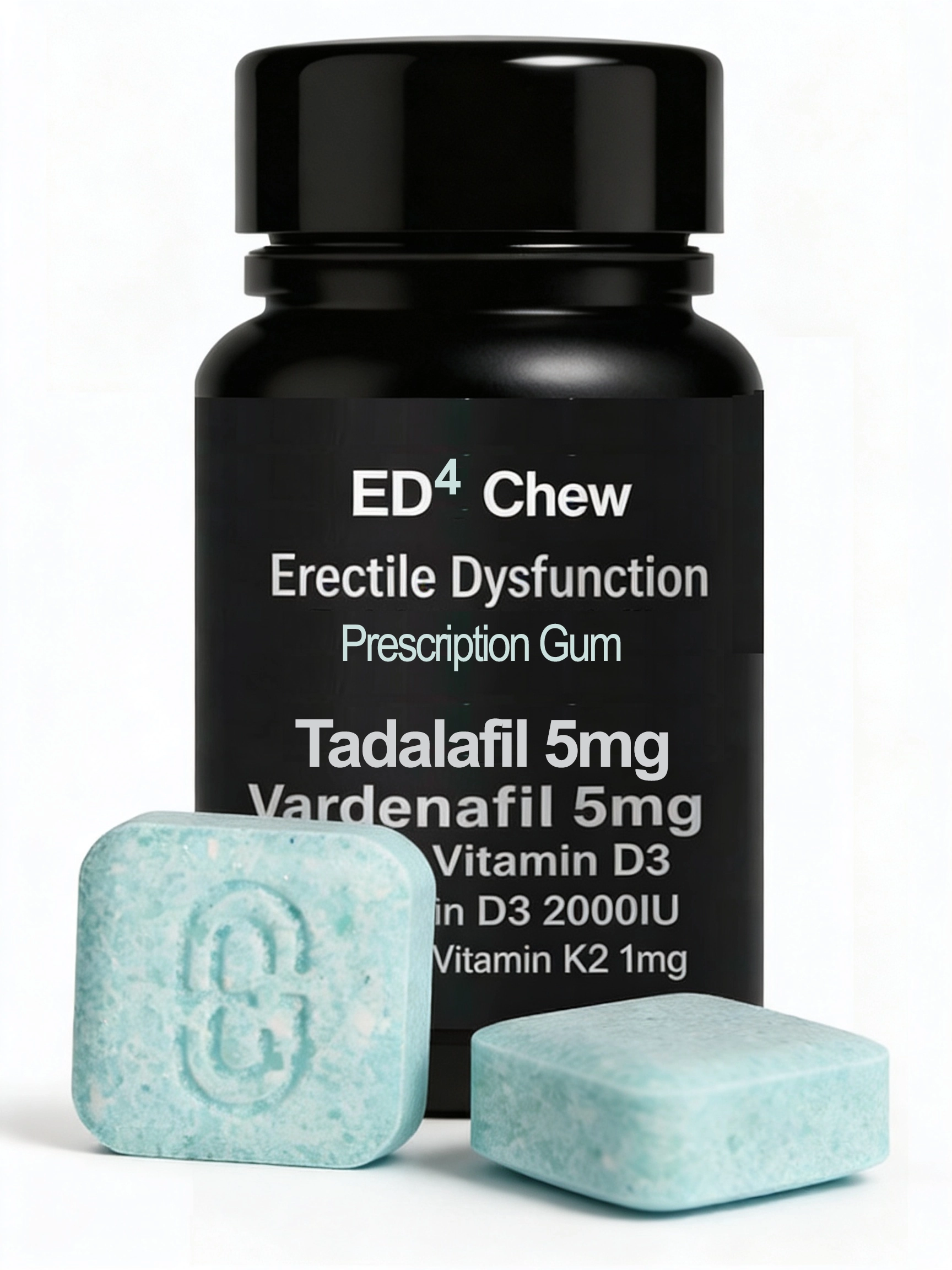
ED4 Chew Gum
Low daily dose for continuous readiness.
- Taken Once Daily
- Continuous Readiness
- Improves Confidence
Research points to a likely association between gout and erectile dysfunction. Scientists search for methods of treatment that won’t exacerbate comorbid conditions such as these.
The sex drive of men and the physical components that create sex for men and women are very complicated. We now know that physical health can have an important effect on the person’s ability to function sexually.
Recently studies have begun connecting gout in men – a painful form of arthritis caused by an excessive buildup of uric acid in the joints – and problems with keeping and maintaining an erection.
So, what do the statistics tell us about the connection between gout and erectile dysfunction? What evidence causes doctors to think the two are linked? Can treatment for one condition affect the other? Can men with gout take medications like Viagra to deal with erection problems?
Let’s look more closely at the science and symptoms of gout and problems with the male erection and how the two are interconnected.
What is Erectile Dysfunction?
The Mayo Clinic states, “Erectile dysfunction (impotence) is the inability to get and keep an erection firm enough for sex.” Because the male sex drive is tied to psychological and physical processes, erectile dysfunction can be caused from a problem with anything from the emotions, the brain, nerves, blood vessels, hormones – and more. Stress and other health problems cause erection problems in men. Sometimes it’s a combination of all of these issues that lead to problems in the bedroom.
The Urology Care Foundation points out that up to 30 million American men have impotence at one time or another.
While the issue may be embarrassing for men to admit, it’s important to talk with a doctor because erectile dysfunction is tied to so many health problems. It could be connected to:
- heart disease
- high cholesterol
- clogged blood vessels
- high blood pressure
- diabetes
- obesity
- Parkinson’s disease
- multiple sclerosis
- sleep disorders
- prostate cancer
Erectile dysfunction is the “canary in the coal mine” of bodily health. Those above are just a few of the physical disorders that erectile dysfunction could be signaling are becoming a problem.
Some of the potential causes of erectile dysfunction could also include:
- medical issues
- use of tobacco products
- physical injuries
- medications
- alcohol and drug use
- stress or anxiety
Recently, studies have shown that another cause of erectile dysfunction could be gout, a very common affliction found primarily in elderly men.
What is Gout?
Gout is a type of arthritis producing inflammation. It is very common in the developed world, especially in older men. In fact, Medscape says gout is “the most common inflammatory arthritis in men older than 30 years.” Men who suffer from diabetes, hypertension, or are excessively overweight commonly are afflicted with gout.
Oddly, many times the uric acid concentrates in the joint of a man’s big toe. It can also affect the knees, ankles, or the smaller toes.
Gout pain can be excruciating, and the intermittent throbbing can wake the afflicted from sleep. The joint will feel painful to the touch, and hot and swollen.
As described, gout is an extremely uncomfortable condition, because the body crystallizes excessive uric acid and then deposits it in the joints. These tiny deposits are sharp, and they cause intense pain wherever the disorder occurs. Gout typically manifests as a flare-up of pain in the afflicted body part. The sufferer can go months or years without flare-ups or can develop chronic arthritis in the afflicted joint.
How to Treat Gout
The Centers for Disease Control (CDC) suggests the following treatments for controlling gout symptoms:
- pain management with a nonsteroidal anti-inflammatory drug (NSAID). This could include something as simple as ibuprofen. It could also require steroids or an anti-inflammatory medication.
- preventing future outbreaks by improving exercise and the diet of the afflicted patient. Limiting alcohol and avoiding red meats may help.
Another side effect of the increase in uric acid could be kidney stones. If the patient has a high number of gout flare-ups along with kidney stones, the physician may prescribe additional medications such as pegloticase or febuxostat.
Additionally, men can adopt a number of self-management strategies to help them avoid gout flare-ups over time. The CDC recommends:
- losing weight and eating a healthy, well-balanced diet
- exercising in the form of walking, biking, swimming, or other activities 30 minutes each day for five days per week
- joining a self-help group to gain support for these lifestyle changes
Although gout is an extremely painful affliction, there are both medications and self-help methodologies that can improve the lives of gout sufferers.
How to Treat ED
When you think of erection problems in men, most people think of the common medication, Viagra, the “little blue pill.”
WebMD points out there are currently five brand-name medications on the market to treat erection problems in men. These are Viagra, Levitra, Cialis, Staxyn, and Cialis. Also available are generic formulations of Viagra and Cialis, marketed as sildenafil citrate and tadalafil, respectively.
These are all nonsurgical and noninvasive treatments that are effective and safe for most men. According to emedicinehealth, there are other treatment options including external vacuum devices, hormone therapy, penile injection therapy, sex counseling, and more. In some instances, some of these therapeutic approaches will be combined to achieve the best results.
Science Between the ED-Gout Connection

Over the past several years, there has been a growing body of research that seems to affirm the link between gout and erection problems in men. What hasn’t been firmly established is how gout affects erectile dysfunction. Some of the best guesses put forward by researchers include:
- High levels of uric acid can cause endothelial dysfunction. The endothelium is the soft muscle tissue that lines the body’s blood vessels. Any endothelial dysfunction affects how the blood flows through the blood vessels. The theory is that high uric acid ultimately restricts the flow of blood to the penis.
- Typically, gout patients also have vascular disease. Vascular disease often manifests as a “hardening of the arteries,” which restricts blood flow and is a strong contributor to erectile dysfunction.
- Also, high levels of uric acid in the body can be caused by a vitamin D deficiency, along with stress. Both can lead to erection problems.
While the actual reason for the connection between gout and erectile dysfunction isn’t completely clear, there have been a number of studies showing that these two disorders are indeed linked.
Some of the studies have included:
- In 2015, The Journal of Rheumatology published a study showing that men who are receiving treatment for gout are 29 percent more likely to experience erectile dysfunction.
- Researchers in 2016 sought to extrapolate data from some of the studies to date attempting to determine the correlation between gout and erectile dysfunction. The literature review was published in PLoS ONE. The authors selected five specific research studies targeting a total of 56,465 male patients with an average age of 49. They determined that these studies showed there is a higher risk of developing erectile dysfunction in patients suffering from gout.
- A 2017 study published in Arthritis Research & Therapy sought to quantify the connection between erection dysfunction and gout. The study focused on 9,653 male patients in the United Kingdom suffering from gout-related symptoms. Researchers calculated the incidence of erectile dysfunction and determined that gout sufferers have a statistically relevant propensity for erectile dysfunction. Roughly 31 percent of the gout patients in the study had erectile dysfunction. Researchers recommended that physicians develop multifaceted treatment plans to treat erectile dysfunction as a comorbidity of gout.
Research on the correlation between these two disorders is certainly in its early stages. However, it does appear that there is a link. More research must be done in order to determine the best course of treatment for both diseases.
Conclusions
As far back as 2014, physicians and scientists recognized that comorbidity exists between erection problems and gout. Because men rarely volunteer information about sexual dysfunction, it’s important for physicians treating patients for gout to ask about the sexual health of their male patients.
Studies are now also showing that gout patients with erection problems also have an increased risk of cardiovascular disease. Doctors must appropriately screen and be aware of these connections in order to treat all of the patient’s current and potential symptoms.
While the treatment of erection problems may be treated with drugs like Viagra, gout is tied to a number of other disorders that may require varying treatment methodologies. Currently, both disorders are treated separately, even though it seems clear that they are interconnected.
These studies should remind us that the entire patient is a complex, interconnected organism that is constantly evolving. The connections between diseases are still being understood, however, it seems clear that gout and erectile dysfunction are intertwined. As the science continues to evolve, it’s possible that new treatments will emerge that allow one comprehensive treatment for both ED and gout. Time and continued research will clearly open new doors for men suffering from these disorders in the future.
If you use Viagra or one of the other PDE5 inhibitors to treat your symptoms of ED, ordering these drugs from a trustworthy online facilitator such as eDrugstore.com can often save you time and money. In business since the late 1990s, eDrugstore sells a full range of ED medications, including both brand-name and generic products. To learn more, visit eDrugstore’s Erectile Dysfunction page.

We specialize in providing our over 1,000,000 customers with relevant product and condition information created by our professional editorial staff which includes our team of medical writers, medical practitioners, and health educators. eDrugStore.com Staff on Facebook