


Restore Your Testosterone. Energy. Strength. Vitality.
Doctor-prescribed testosterone support delivered discreetly to your door.
Physicians
Private
Delivery

Sermorelin Acetate
Peptide therapy to support natural hormone production.
- Supports Natural HGH
- Boosts Energy & Recovery
- Physician-Prescribed

Enclomiphene Flex-Dose
Raises natural testosterone without shutting down production.
- Boosts Natural Testosterone
- Preserves Fertility
- Flexible Daily Dosing

DHEA Testosterone Support
Foundational hormone support for energy and drive.
- Supports Healthy Hormones
- Improves Energy & Mood
- Once-Daily Capsule
Effective ED Treatment. Private. Convenient. Trusted.
Doctor-prescribed ED medication delivered discreetly to your door.
Physicians
Private
Delivery

ED3 Max Dissolvable ED Pills
Long-lasting results up to 36 hours.
- Up to 36 Hour Window
- Improved Confidence
- Works When You Need It

Sildenafil 25mg
Proven effective treatment.
- Starts Working in 30–60 Min
- Effective, As Needed
- Trusted & Reliable
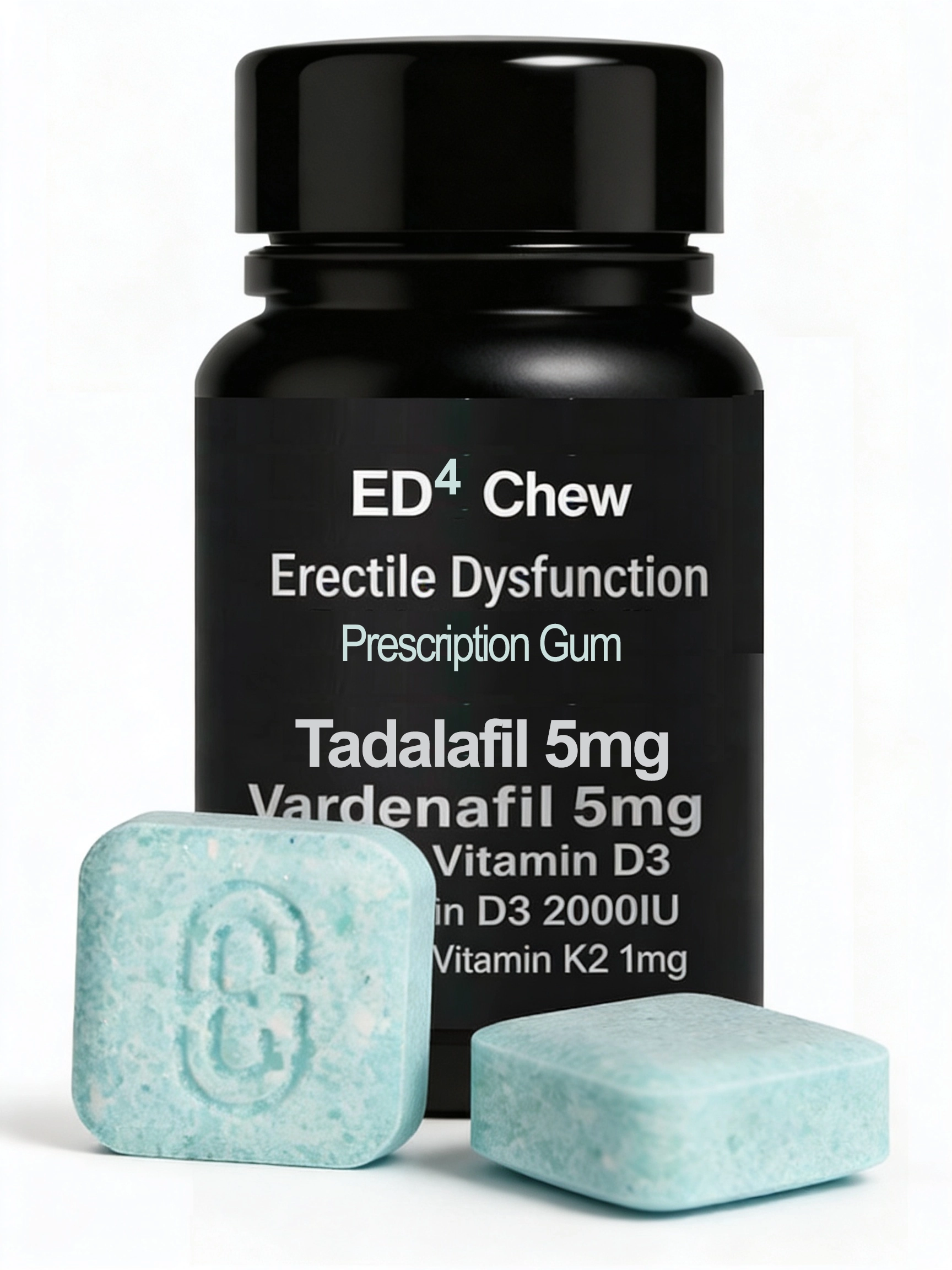
ED4 Chew Gum
Low daily dose for continuous readiness.
- Taken Once Daily
- Continuous Readiness
- Improves Confidence

Hormone therapy was also believed to reduce heart disease risk in menopausal women, but the results were mixed and many of the supposed benefits of hormone therapy did not happen for a lot of women. This type of therapy is still sometimes prescribed in very specific situations for defined time periods, but long term hormone replacement therapy as a cure-all for menopause is uncommon now.
Today, some doctors and pharmaceutical manufacturers are now touting the benefits of testosterone replacement for men at midlife who may experience erection problems. Awareness campaigns for “low T” are prominent, with the stated goal of getting men to talk to their doctors about possible low testosterone levels. Over the ten years preceding 2011, prescriptions for testosterone for men over 40 tripled. Is this a case of hormone replacement therapy re-packaged for men, or is low testosterone a real problem? While there is little doubt that testosterone replacement is being more heavily marketed, it’s not likely that it will be marketed to middle-aged men with the fervor that estrogen replacement was marketed to women after the lessons learned from that practice.
Two Conditions Necessary for “Low T” Diagnosis
Some men are prescribed testosterone based on symptoms like erection problems, without being tested for testosterone levels beforehand. Endocrinology experts believe that while low testosterone is a real concern for some (because testosterone levels naturally decline with age), that a diagnosis of low testosterone should be based on fulfilling two criteria: low blood testosterone levels and clinical symptoms of low testosterone. “Normal” testosterone includes a fairly large range of values, and some men may experience symptoms like low sex drive and fatigue, while others may not. When the two conditions for diagnosing low testosterone are fulfilled, testosterone supplementation can help.
Misconceptions About Low Testosterone
Some physicians and drug manufacturers attribute a lot of fairly vague symptoms to low testosterone levels, when in fact they can be caused by any number of other factors. Irritability, mood changes, and lowered sex drive, for example could be caused by depression or stressful life events like divorce, or the death of a loved one. Some men with these symptoms have testosterone levels within the normal range. Likewise, some men with clinically low levels of testosterone have few symptoms.

The single symptom that prompts the most middle aged men to seek medical evaluation for low testosterone levels, unsurprisingly, is loss of sexual desire and associated symptoms like lack of morning erections. Again, these are symptoms that may or may not be due to low testosterone levels, so it’s essential that physicians specifically test patients to find out if their testosterone levels fall within the normal range.
Differences Between Low Testosterone and Erectile Dysfunction
Though low testosterone and erectile dysfunction both increase in prevalence as men get older, and though some symptoms may overlap between these two conditions, they are not the same thing. Prescription medications for erection problems, such as Viagra, do not raise testosterone levels. If a man has a reasonably strong sex drive but has trouble getting or maintaining an erection, then it’s the erection problem that probably requires treatment. However, if a man has lost his desire for sex, he may have low testosterone levels, and should be tested appropriately before a treatment plan is devised. It is critical that men are absolutely honest with their healthcare providers about the symptoms they have, so that physicians can treat them appropriately.
Reasons Testosterone Levels Drop
The average adult male has testosterone levels of 270 to 1,070 nanograms per deciliter (ng/dl) of blood. By contrast, women have testosterone levels ranging from 15 to 70 ng/dl. Once a man reaches age 30 or thereabouts, his testosterone levels drop by around 1% per year. Clearly, because normal testosterone levels cover such a large range of values, a man could theoretically lose 1% of his testosterone per year and still have “normal” testosterone levels for the rest of his life.
There are many other causes of decreasing testosterone other than age, however. Testosterone levels may fluctuate because of illness, chronic disease, and stress, and how long those levels remain low is a very individual thing. Conversely, a man may have normal testosterone levels, yet experience symptoms of testosterone deficiency because of thyroid problems, alcoholism, or even reaction to certain medications. The bottom line is, testosterone deficiency shouldn’t be diagnosed based solely on symptoms or solely on blood testosterone levels, but on a combination of those two factors.

What Happens if Low Testosterone Goes Untreated?
If a man has low testosterone levels and does not have it treated, he may experience problems with things other than sex drive. For example, clinically low testosterone levels are associated with more fat around the waist, which increases the risk for high blood pressure, heart disease, and type 2 diabetes (all three of which on their own can contribute to erection problems). So clearly, some men can benefit from testosterone replacement therapy when their natural testosterone levels are clinically low.
But treating these men with testosterone has risks as well. A study of 8,700 veterans with low testosterone levels found that men treated with testosterone were 30% more likely to have a heart attack or stroke, or to die during a three-year follow-up period than men with low testosterone who did not take testosterone replacement.
The men in the veterans study were on average in their early 60s, and most of them had other health problems as well, including high cholesterol, type 2 diabetes, and high blood pressure. So it’s not clear whether testosterone replacement is the right thing to do in all men who have clinically low levels of the hormone. Keep in mind that the veterans study does not show that it’s the testosterone supplementation that causes the heart attacks or strokes, but merely that there is an association between the two. Therefore men considering testosterone replacement should thoroughly discuss the risks and benefits with their healthcare providers before taking it.
Erection Problems May or May Not Indicate Low Testosterone Levels
Men with erection problems may have a problem with their testosterone levels, or they may have problems with the blood vessels supplying the sex organs. Men who are obese, who have coronary artery disease, or who have diabetes may have erection problems even if their testosterone levels are perfectly normal. The key to finding out the root cause of erection problems is evaluating a man’s risk factors and sometimes measuring circulating testosterone levels to determine if the problem is related to low testosterone or not. Men without low testosterone, but who have erection problems should be evaluated for certain risk factors (like history of heart attack or stroke) to determine if they are good candidates for drugs like Viagra, Levitra, or Cialis.
Low testosterone is a more complex phenomenon than its label would have you believe. The range of normal testosterone levels is wide, and can be influenced by many factors apart from normal aging. The only way to know whether you have low testosterone that could benefit from treatment with testosterone replacement is to have testosterone levels tested, and to have a physician evaluate your symptoms. If erection problems are not accompanied by low testosterone, you may be a good candidate for drugs made to treat dysfunctional erections.
eDrugstore.com sells name brand erection dysfunction drugs like Viagra, Levitra, and Cialis at competitive prices with the great convenience and time savings of online ordering. eDrugstore.com is committed to the highest standards of customer service and online privacy and security.
Photo Credits: Alvimann / morguefile.com, Chaiwat / freedigitalphotos.net, David Castillo Dominici / freedigitalphotos.net

We specialize in providing our over 1,000,000 customers with relevant product and condition information created by our professional editorial staff which includes our team of medical writers, medical practitioners, and health educators. eDrugStore.com Staff on Facebook