

 It’s one of the few down sides to a day at the beach. After you go swimming sometimes a little water gets stuck in your ear. People try to shake their head, or knock on their noggin to try and get it out but that rarely works.
The pesky summer problem known as swimmer’s ear sends one in 123 Americans to the doctor each year. The costs associated with it racks up fast according to a report done by the Centers for Disease Control and Prevention. The study, which is the first national study to estimate healthcare costs associated with this common ailment, shows swimmer’s ear leads to $2.4 million in medical care.
The report showed between 2003 and 2007, rates of doctor’s visits for swimmer’s ear were highest in children between the ages of 5 and 14 years. However, more than half of the reported infections occurred in adults over age 20.
According to the Mayo Clinic, the most common cause of this infection is bacteria invading the skin inside your ear canal. The problem is usually treated with eardrops, but it can lead to more serious infections.
“Most people think of swimmer’s ear as a mild condition that quickly goes away, but this common infection is responsible for millions of illnesses and substantial medical costs each year,” said Michael Beach, Ph.D., CDC’s associate director for healthy water. “By taking simple steps before and after swimming or coming in contact with water, people can greatly reduce their risk of this painful infection.”
 To reduce the risk of swimmer’s ear:
*Keep your ears as dry as possible.
Use a bathing cap, ear plugs, or custom-fitted swim molds when swimming.
*Dry your ears thoroughly after swimming or showering.
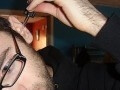
Use a towel to dry your ears well and tilt your head to hold each ear facing down to allow water to escape the ear canal. Or pull your earlobe in different directions while your ear is faced down to help water drain out. If you still have water left in your ears, consider using a hair dryer to move air within the ear canal.
*Don’t put objects in your ear canal (including cotton-tip swabs or fingers)
*Don’t try to remove ear wax. Ear wax helps protect your ear canal from infection.
