

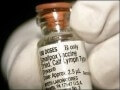
 Small pox, a contagious and sometimes life threatening disease is described as “one of the most devastating diseases known to humanity,” by the World Health Organization (WHO). The disease is believed to have originated more than 3,000 years ago and is known for covering a patient’s body with small bumps. After an intense vaccine initiative the disease was eradicated in 1978, according to the World Health Organization.
Now, decade’s later small pox vaccines still sit on the shelves. While children are no longer vaccinated against the disease, the vaccines are doing nothing more than collecting dust and some health officials are wondering if they should be destroyed.
There are two sides of this argument. Some believe the vaccines should be kept just in case the disease is used as a weapon by terrorists. Having the vaccine on hand would help battle an outbreak. Others believe the lingering bottles of vaccine could create more problems than answers.
“We fully agree that these samples should – and eventually will – be destroyed,” Secretary of Health and Human services Katherine Sibelius wrote in a recent op-ed in the International Herald Tribune. “However, we also recognize that the timing of this destruction will determine whether we continue to live with the risk of the disease re-emerging through deliberate misuse of the virus by others.”
There is also a question of the potency of the vaccines after sitting around for decades, and storage conditions could also be a factor.
The WHO has talked about what to do with the vaccines since 1996. A plan has been drafted to destroy them, but the process is continually delayed to give scientists more time to develop better drugs against the disease.
The topic is up for debate again at an assembly being held by WHO.
 About Small Pox
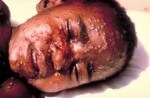
According to the WHO website small pox killed about 30% of those infected. Survivors were often marked with deep scars from the bumps caused by the disease, most notably on the face. The disease was so prevalent that in ancient times babies were not allowed to be named until they lived through the disease.
In 1967, when WHO launched an intensified plan to eradicate smallpox, the “ancient scourge” threatened 60% of the world’s population, killed every fourth victim, scarred or blinded most survivors, and eluded any form of treatment.
There is no cure for the disease, just a vaccine to prevent it. The vaccine was no longer given once the disease was wiped out in the late 70’s.
