

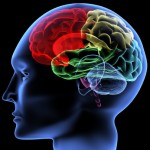
Mapping brain waves
Scientists have used brain mapping in the past, but this is the first time the method was used as a tool for understanding development, researcher Jessica Cantlon, a cognitive neuroscientist at the University of Rochester in New York told ScienceDaily.
“Psychologists have behavioral tests for trying to get the bottom of learning impairments, but these new imaging studies provide a totally independent source of information about children’s learning based on what’s happening in the brain,” says Cantlon.
Cantlon and a team of researchers recruited 27 children between the ages 4 to 11. The kids watched a 20-minute recording of “Sesame Street.” The popular show is known for it educational techniques, focusing on reading and math.
Researchers say this information is the first step toward understanding learning disorders.
For instance, “when children fail to learn mathematics well, there could be a number of different reasons for that — it could be that they have weak concepts of numbers, that they have poor memory, that they have limited attention,” researcher Jessica Cantlon, a cognitive neuroscientist at the University of Rochester in New York, told LiveScience.
An argument for education TV

“It’s not the case that if you put a child in front of an educational TV program that nothing is happening — that the brain just sort of zones out. Instead, what we see is that the patterns of neural activity that children are showing are meaningful and related to their intellectual abilities.”
