
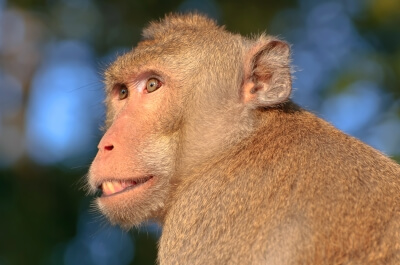

According to a study conducted by the Oregon Health & Science University, monkeys that dined on foods rich in Omega-3 fatty acids were found to have brains with highly connected and well organized neural networks, while monkeys deficient in fatty acids had much more limited brain networking.
The study, published in the Journal of Neuroscience, has the distinction of being the first study where scientists could utilize functional brain imaging in live animals to observe the large-scale interaction of multiple brain networks.
The study specifically measured an omega-3 fatty acid known as docosahexaeonic acid, or DHA, which can be found in fatty fish such as salmon, tuna, and mackerel. DHA is utilized by the brain, where it can help in the development of the brain and vision.
The scientists studied a group of older rhesus macaque monkeys that had been fed a lifelong diet that was either low or high in omega-3 fatty acids. The monkeys that consumed a high-DHA diet had strong connectivity of early visual pathways in their brains, as well as greater connections within brain networks that are similar to those found in the human brain, such as higher-level processing and cognition.
With these findings, the scientists hope to find ways to better characterize, treat, and prevent developmental health issues.

Evan Hopkins is a 24 year old writer operating out of Atlanta, GA. When he isn’t writing, he enjoys reading books, drinking coffee, and folk music.