

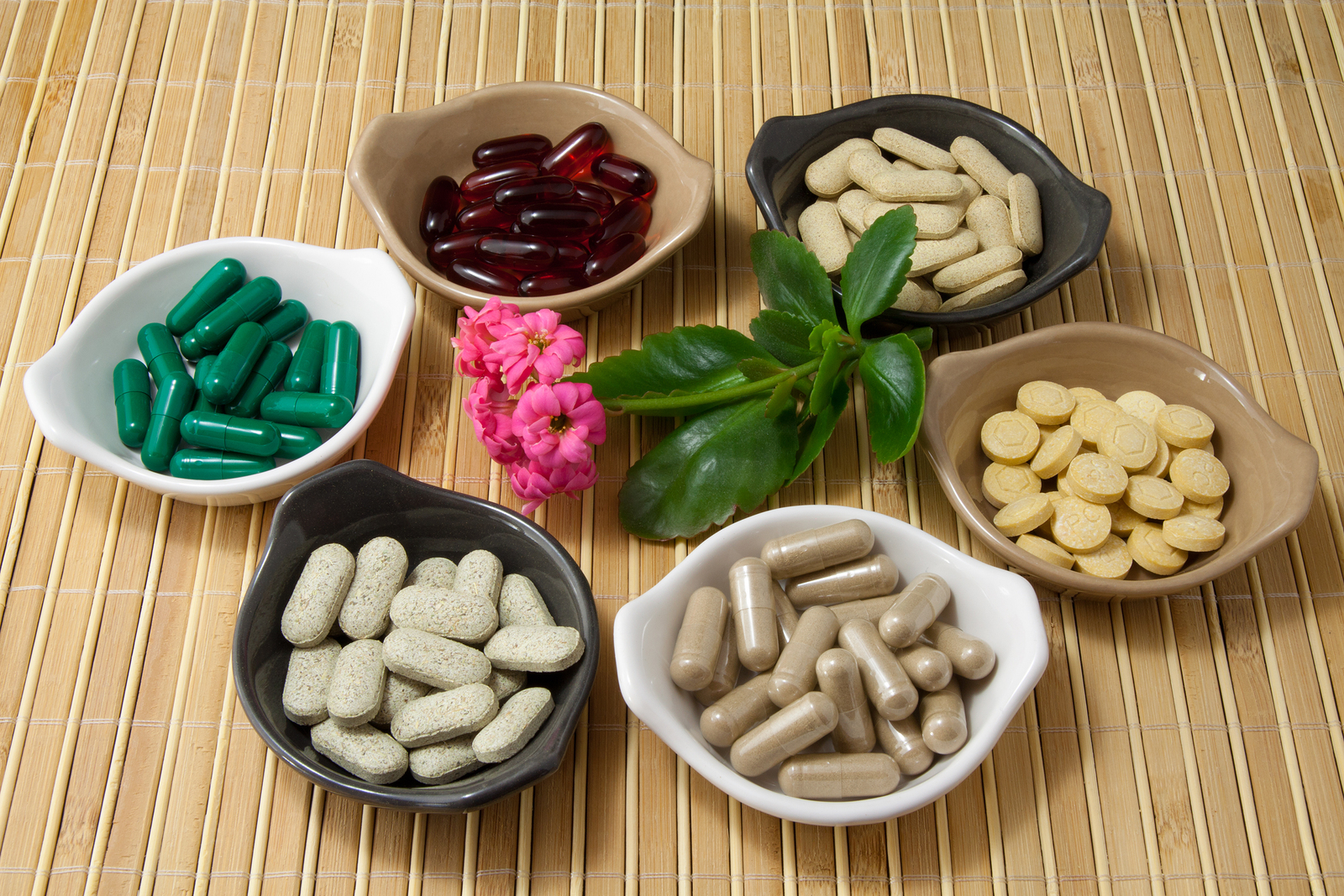
A quick Google search for “natural erection remedies” turns up tens of thousands of websites touting all manner of natural remedies that their manufacturers or vendors promise can overcome erectile dysfunction for just a fraction of the cost of Viagra and other prescription ED medications.
Unfortunately, there is no easy answer to the obvious question about their effectiveness in doing the job for which they’re being sold. Some do contain natural ingredients, usually herbs, that have stood the test of time and appear to offer at least some minimal assistance in getting and keeping an erection. Others, although virtually all natural, as advertised, offer proof positive that natural is not always a good thing. After all, the plant world is replete with plant materials that can be toxic to humans, other animals, or both.
A team of urologists at the Wake Forest University School of Medicine recently undertook a comprehensive review of the medical literature to see what it had to say about some of the most common herbs used in natural erection supplements. Its findings might help some prospective buyers to better understand what they’re getting from supplements that contain these ingredients. The research team’s findings were published in the November 2015 issue of “The Journal of Sexual Medicine.”
Ginseng
Ginseng, one of the most common herbal ingredients in the top-selling supplements for male sexual health, is used to refer to any one of the 11 species of perennial shrubs that belong to the genus Panax. All species of ginseng have large fleshy branching roots and flourish in shady forest habitats. Although various forms of ginseng have long been used for the treatment of erectile dysfunction in the traditional medicine systems of China and India, there have been no high-quality tests on humans to confirm ginseng’s erection-friendly properties.
Ginsenosides are the phytochemicals in ginseng that are thought to boost the body’s production of nitric oxide, a neurotransmitter that plays a key role in increasing blood flow to facilitate the erection process. In one promising animal study, gensenoside-rich extracts from the ginseng berry relaxed smooth muscle inside the erectile tissue of rabbits, in support of the erectile function. But no comparable tests have been done on humans to see if the results from the animal tests could be replicated in human males. Until such time as high-quality human testing can be completed, it’s impossible to evaluate the efficacy of ginseng as a treatment for erectile dysfunction, according to experts.

Tribulus Terrestris
Long a staple in traditional Ayurvedic medicine practiced on the Indian subcontinent, tribulus terrestris is a common weed said to improve sexual and sports performance by increasing the body’s testosterone production. While a handful of animal studies have shown that tribulus terrestris did increase blood levels of testosterone in certain animal subjects, these findings have not been replicated in humans. Not only are there no human tests to confirm the herb’s testosterone-boosting properties, but isolated accounts have implicated tribulus terrestris as the cause of kidney and liver damage in human subjects.
Zinc
For more than half a century, zinc deficiency has been associated with decreased production of testosterone. According to the Wake Forest literature review, one study showed that a deficiency of the mineral in young men resulted in a significant decrease in testosterone production. However, there is as yet no proof that zinc supplementation increases testosterone production in humans, nor is there evidence that increased zinc levels would necessarily improve sexual performance or libido. The Wake Forest researchers also point out that zinc is widely available in Western diets, which may explain why the incidence of zinc deficiency in North America is estimated by the World Health Organization at only 6.3 percent.
Magnesium
Magnesium is another mineral that is found in several natural erectile dysfunction supplements. It is also widely available in the diets of men living in North America. More significant, however, is the absence of any scientific evidence that a magnesium deficiency causes male sexual dysfunction or that magnesium supplementation would in any way improve sexual function.
Selenium
Also used in four of the 30 best-selling male sexual health supplements is selenium, a mineral that is found in soil, water, and some foods. The Wake Forest team could find nothing in the scientific literature that supported the use of selenium for improving male sexual function. However, selenium has been studied for its usefulness in preventing prostate cancer and also as an aid to the management of male fertility, neither of which has any direct bearing on erectile function.
Horny Goat Weed
An ingredient in more than a third of the 30 top-selling male sexual health supplements, horny goat weed is an extract from plant species that belong to the Epimedium genus. These flowering perennials grow naturally throughout Asia and in parts of Europe as well. Horny goat weed has been found to contain low levels of icariin, a plant-based chemical that acts much like the prescription impotence drugs known as PDE5 inhibitors, such as Viagra and Cialis. Animal studies with rodents have shown icariin does improve blood flow to the penis of these creatures, but no tests have replicated these effects in humans. So for horny goat weed, the jury is still out.
Fenugreek
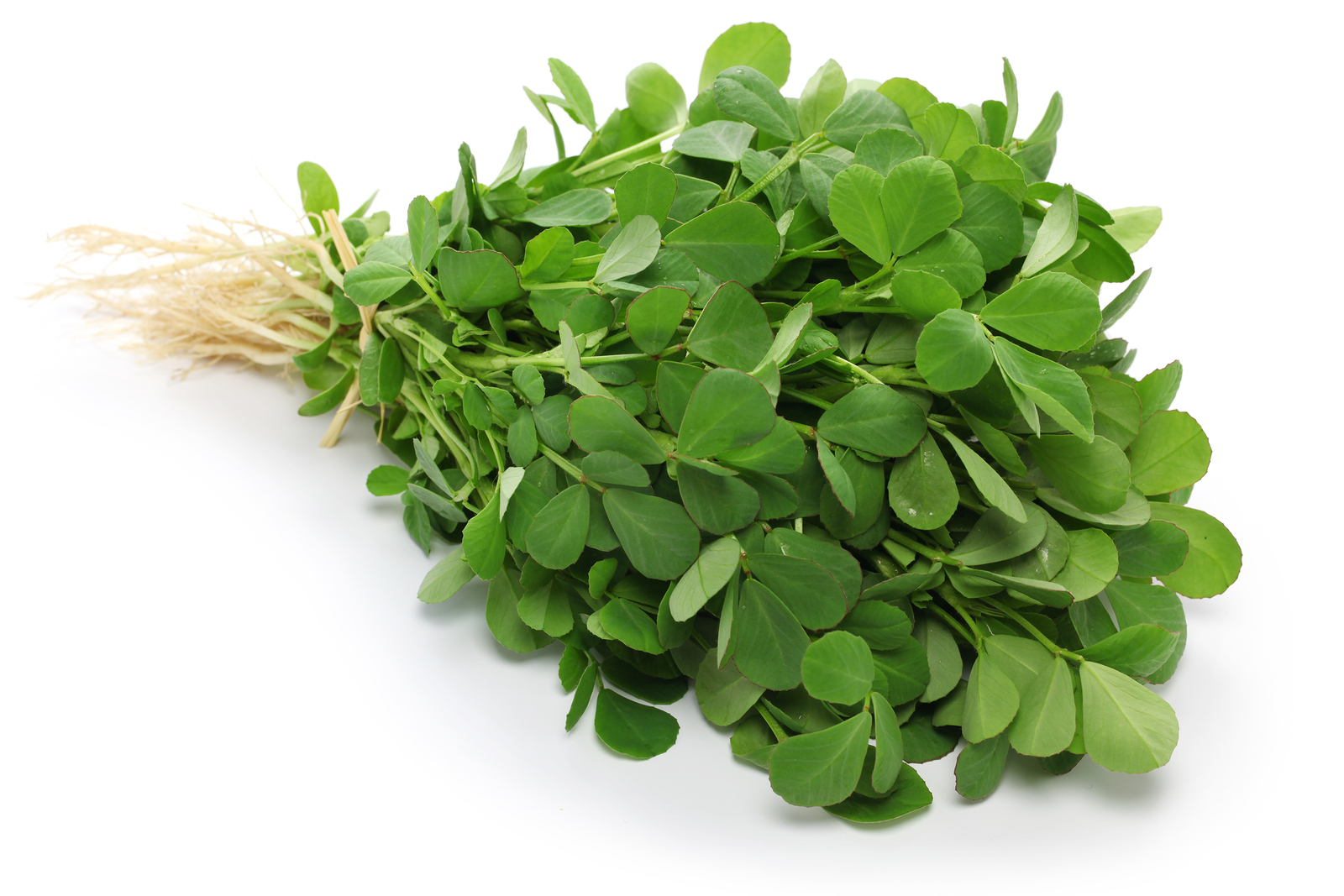
Although human studies have thus far been extremely limited, one test on fenugreek produced results that are somewhat promising, according to the Wake Forest team. Sixty males, ages 25 to 52, were randomly dosed with 600 milligrams of fenugreek or a placebo daily for six weeks. None of the study participants had any symptoms of erectile dysfunction. However, those who got fenugreek showed significant increases in sexual arousal and quality of orgasm. More tests will be required to confirm fenugreek’s positive effects on male sexual function.
L-Arginine
L-arginine is an amino acid that is the immediate precursor of nitric oxide, which plays a key role in improving blood flow to the penis. Thus far, the results from human studies have been somewhat contradictory, although there is some indication that L-arginine supplementation may help patients with known endothelial dysfunction or other disorders resulting in subpar nitric oxide production. The Wake Forest researchers conclude that further clinical studies would be needed to confirm L-arginine’s positive effects.
Yohimbine
According to the Wake Forest research team, yohimbine is among the most promising of the natural ingredients found in male sexual health supplements. It is an alkaloid derived from the bark of the African yohimbe tree. In their appraisal of yohimbine, the researchers cite a meta-analysis of a comparison between yohimbine and a placebo showing that the former improved erectile function with a low incidence of adverse side effects. “However, at this time, there is no direct comparison of yohimbine to first-line pharmaceuticals such as PDE5 [inhibitors]. Without such evidence, yohimbine would not be considered a first-line therapeutic choice for male sexual health.”
If you’d like to read additional articles about male sexual function and related topics, check out our blog.
Don Amerman is a freelance author who writes extensively about a wide array of nutrition and health-related topics.

We specialize in providing our over 1,000,000 customers with relevant product and condition information created by our professional editorial staff which includes our team of medical writers, medical practitioners, and health educators. eDrugStore.com Staff on Facebook