
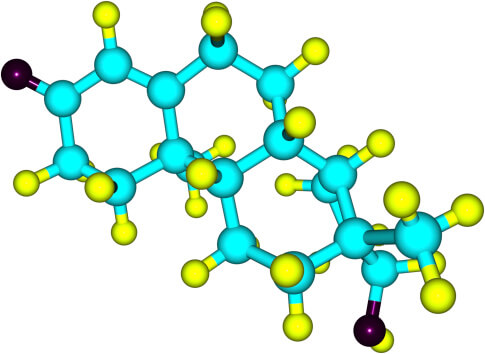

As the primary male sex hormone, testosterone plays a major role in the development of the physical characteristics that make a man a man. During the fetal stage, the hormone guides the development of male genitalia, and testosterone is also a major player in firing up the male sex drive. It’s also responsible for the development of secondary male characteristics during puberty. These include a deepening of the voice, the growth of facial hair, and the beginning of sperm production.
Given testosterone’s close relationship with all things male, many of us think the sex hormone is also a key player in the erectile process. The current flood of TV and print advertisements about the dangers of “low T” certainly do nothing to dissuade us of that notion.
Testosterone Affects Women Too
This most dominant of male sex hormones, or androgens, plays an important role in males but also serves some important functions in females as well. Produced in the testicles of males and the ovaries of women, the normal levels of testosterone differ sharply from one sex to another with T-levels in men much higher than in women.
Hypogonadism is a condition in which the gonads — testes in men and ovaries in women — fail to produce sufficient quantities of the sex hormones for which each is responsible. While in puberty this may result in defective primary or secondary sexual development, as both men and women age the production of sex hormones tends to decline accordingly.
However, for all its importance in certain aspects of male sexual development, a number of studies in recent years seem to indicate that testosterone has far less of a direct role in the erectile function that most people think.
Finnish Study
Among the most recent of such studies is one out of Finland that looked at the causes of impotence among more than 600 Finnish men born in the year 1945. In an online preview of its findings in advance of publication in the “Scandinavian Journal of Public Health,” the study’s researchers concluded that testosterone probably wasn’t a key factor in the erection problems of its study subjects. Rather, they concluded, depression was clearly the culprit in the vast majority of cases they studied. They also noted a link between obesity and some instances of impotence.

The study, led by Kadri Suija, M.D., of Finland’s University of Oulu, looked at the link between erection difficulties and both total and free levels of testosterone in its study subjects. Based on their findings, they recommended that “depressive symptoms rather than testosterone levels . . . be taken into consideration while treating middle-aged men with erectile problems at the community level.”
Moreover, many medical professionals have found that in some cases men with low blood levels of testosterone have little or no difficulty getting and keeping an erection, while those with high T levels sometimes experience symptoms of impotence.
Many Other Factors Involved
In response to a question at Sharecare.com about testosterone’s role in erectile function, urologist Mark Moyad, M.D., points out that many things other than testosterone can affect a man’s ability to get and keep and erection. He also notes that many men with low testosterone levels still have perfectly satisfactory erections.
While Dr. Moyad acknowledges that low T levels can account for a lower sex drive or reduced penile hardness, he contends “testosterone replacement therapy (TRT) is not indicated just because a man has a low testosterone level.”
In a critical analysis of testosterone’s role in erectile function that was published in the January 2014 issue of “European Urology,” researchers cast further doubt on the idea that TRT is necessarily the answer for all types of erection problems. Participating in that study were medical researchers from France, Germany, Italy, and the United States.
Controversy Over TRT
Because of the ongoing controversy over the use of testosterone replacement therapy in men with erection problems, this international team of researchers undertook a systematic review of the scientific literature over a period of 20 years to see what link, if any, could be established between testosterone and erectile function.
Researchers agreed that TRT makes sense as a “first-line treatment” for men with an organic cause of primary or secondary hypogonadism, particularly if they are young and if there is a sharp drop in testosterone levels.
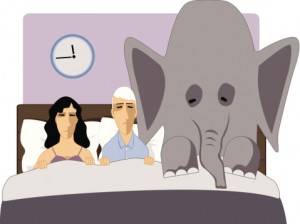
However, in older adults who are experiencing late-onset hypogonadism, the researchers suggested that the popular impotence medications known as PDE5 inhibitors should be the first line of defense. If those drugs, alone, are not successful in eliminating symptoms of impotence, researchers said that the next step would be to discontinue any medications known to cause erection problems. Only if these first two steps fail to produce results, said researchers, should TRT be used and then only in combination with the prior measures.
Depression and Impotence
The Finnish study’s findings that depression was most often the culprit behind impotence in the men they studied has plenty of support from other quarters. While the Finnish study focused on men in their late 60s, depression accounts for a significant percentage of erection problems in younger men as well.
Complicating the treatment of impotent men in whom depression is identified as ED’s primary cause is the fact that several of the more popular antidepressants cause erection problems of their own. In such cases, medical professionals may have to experiment with different antidepressants in order to find one that is compatible with the patient’s erectile function.
Symptoms of Depression
In its overview of depression and depression-related impotence, WebMD.com offers a summary of the symptoms of depression. These include persistent feelings of sadness or hopelessness, as well as fatigue or lethargy, changes in appetite, low self-esteem, apathy, loss of interest in things that once were pleasurable, and sleep disturbances.
If you recognize some or all of these symptoms in yourself, you should consult your family doctor who may refer you to a psychiatrist or psychologist. Depression can be treated with talk therapy as well as medications, and sometimes discussing one’s innermost fears and insecurities can help to banish the symptoms of depression. If the depression is also responsible for erection difficulties, these too should fade away along with the feelings of depression.
Of the link between depression and erection problems, Chris Iliades, M.D., offers some interesting statistics in an article posted at EverydayHealth.com. According to Dr. Iliades, research has shown that 35 to 47 percent of people with depression report problems with their sex lives, while 61 percent with severe depression experience some form of sexual dysfunction.
Don Amerman is a freelance author who writes extensively about a wide array of nutrition and health-related topics.

We specialize in providing our over 1,000,000 customers with relevant product and condition information created by our professional editorial staff which includes our team of medical writers, medical practitioners, and health educators. eDrugStore.com Staff on Facebook