

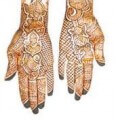
 It has become a fad at many carnivals and festivals: henna tattos. The temporary ink looks more real than the fake paper tattoos that people place on their skin with a wet cloth. However the Minnesota Department of Health is warning against the trend.
One of the chemicals used to make ‘black henna’ is known to cause a skin reaction. The chemical para-phenylenediamine or PPD is approved by the FDA for use in hair coloring products but not in any kind of cosmetics.
“I’ve gotten a henna tattoo before, they’re pretty cool,” Lisa Filler said. The Minneapolis mother of two says she never had an problems. “I guess I was lucky, but since they are pretty popular it’s good for people to know about this warning.”
In a press release issued by the state department the warning said, “PPD is used as a darkening agent to create “black henna.” It is known to cause allergic skin reactions in some people, resulting in intense itching, redness of the skin, blistering, infections, and – in some cases – permanent scarring. In some individuals, the scarring can be accompanied by light or dark patches on the skin.”
The warning also states that normal henna, which is typically red or brown, does not typically cause any reactions.
The department of health is looking into about 35 cases where teenagers all had the temporary tattoos and about half of them had a skin reaction.
 The warning continues to say, “Vendors are urged to check with suppliers, and verify that they are only using additive-free henna. PPD-containing henna products can cause a reaction in as little as 24-48 hours if an individual has previously been exposed to PPD. Reactions to “black henna” more commonly occur 4-10 days after the product is applied, but can occur up to three weeks later.”
