

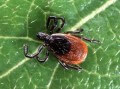
 It’s the time of year when families are planning picinics and camping trips. As temperatures rise many people get out and enjoy the outdoors, but health officials are warning people about an increase in tick-borne illnesses.
Many people associate Lyme disease with ticks, but few people have heard of anaplasmosis. According the Centers for Disease Control and Prevention, symptoms of this little-known illness include fever, headache, chills, and muscle aches. Usually, these symptoms occur within 1-2 weeks of a tick bite. Medical tests can confirm the condition, and can be treated with medication. Still, health officials say it’s a problem that can be prevented if proper precautions are taken.
In some states, like Minnesota, the number of tick-borne diseases jumped to record levels in 2010. More than 700 people in the state were diagnosed with anaplasmosis, which is double the amount of cases in previous years.
“We’re seeing a continuing and troubling trend of marked increases in cases of tick-borne diseases in Minnesota,” said Dave Neitzel, Minnesota Department of Health epidemiologist specializing in tick-borne diseases. “We are particularly concerned about anaplasmosis, with case numbers now rivaling Lyme disease in some areas of the state.”
About 30 percent of the 2010 anaplasmosis patients were hospitalized, and one patient died.
 To prevent illness from ticks:
The risk of tick-borne diseases is greatest from late spring through mid-summer, when ticks are most active. The best way to prevent tick bites is to avoid tick habitat during those seasons:
- Wooded or brushy areas for the blacklegged tick.
- Grassy or wooded areas for the American dog tick
If you can’t avoid tick habitat, use repellent to reduce the risk of disease:
- DEET-based repellents (up to 30 percent DEET), which can be applied to clothing or skin for temporary protection.
- Permethrin-based repellents, which are used to pre-treat fabric and can protect against tick bites for at least two weeks.
