
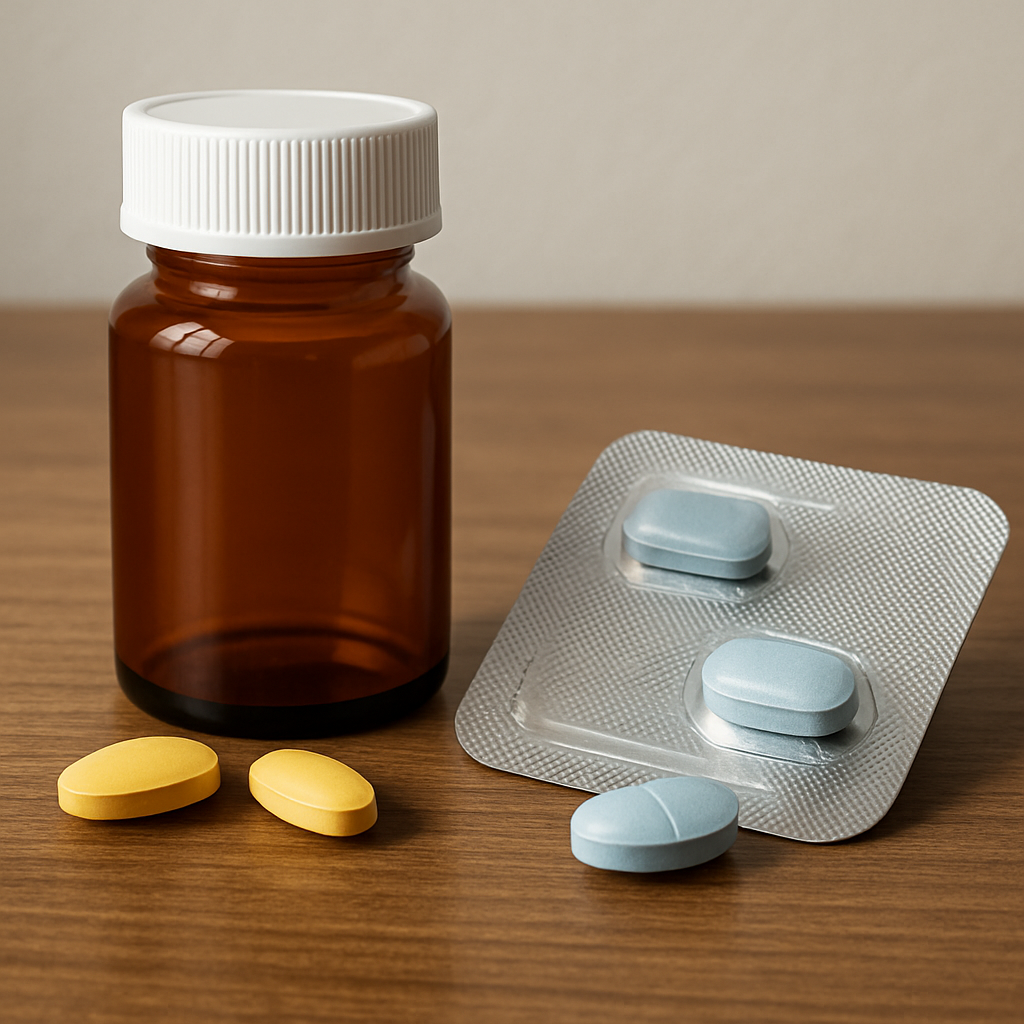

If you’ve taken an ED pill and ended up with a pounding headache an hour later, you already know the question that brings most people to a tadalafil vs avanafil comparison: which one is less likely to wreck the rest of your evening? It’s a fair question, and the answer is more interesting than the marketing on either drug suggests.
Headache is the single most common side effect of every PDE5 inhibitor on the market. Sildenafil, vardenafil, tadalafil, avanafil, all of them. The drugs work by relaxing blood vessels, and the same mechanism that helps with an erection also dilates vessels in your head. That’s where the headache comes from.
But the rate isn’t identical across drugs. According to the FDA prescribing information for avanafil and the FDA label for tadalafil, the headache numbers tell a real story. Let’s get into it.
What the Headache Rates Actually Look Like
In the registration trials, tadalafil produced headache in roughly 11% to 15% of users at the higher on-demand doses (20 mg). For the daily 5 mg dose, headache rates dropped to around 3% to 5%.
Avanafil’s headache rate sits between roughly 7% and 12%, depending on the dose (50 mg, 100 mg, or 200 mg). At the 100 mg dose most prescribers start with, headache showed up in about 9% to 10% of patients in trials.
So on the raw numbers, the tadalafil vs avanafil comparison is closer than people assume. Avanafil edges out tadalafil 20 mg slightly, but daily low-dose tadalafil actually has the lowest headache rate of any PDE5 inhibitor on the US market.
What I tell patients is this: the intensity and duration of the headache often matter more than whether it happens at all.
Why Tadalafil Headaches Feel Different
Tadalafil’s half-life is about 17.5 hours. Avanafil’s is roughly 5 hours. That’s a massive difference in how long the drug, and any side effect it causes, sticks around.
If avanafil gives you a headache, it usually fades within a few hours. If tadalafil gives you a headache, especially at the 20 mg on-demand dose, it can linger into the next morning. Some patients describe a dull pressure that lasts 24 to 36 hours.
This is the part of the tadalafil vs avanafil conversation that gets lost in the side-effect tables. A 12% headache rate that lasts two hours is a very different lived experience from a 12% headache rate that lasts a day and a half.
For patients who hate that lingering feeling, the tadalafil daily vs on-demand routine comparison is worth reading, because the low daily dose softens the headache profile considerably.
Where Avanafil Has a Real Edge
Avanafil (brand name Stendra) was designed to be more selective for the PDE5 enzyme and less active against PDE6 and other related enzymes. In practice, that selectivity translates into fewer of the classic PDE5 side effects: less facial flushing, less nasal congestion, and less of the visual blue-tint thing that some sildenafil users report.
For headache specifically, the Cleveland Clinic’s overview of ED medications notes that avanafil tends to be better tolerated overall, partly because of that receptor selectivity and partly because it clears the body fast.
The trade-off is duration of action. Avanafil works for about 6 hours. Tadalafil works for up to 36 hours. If you want spontaneity over an entire weekend, avanafil isn’t the right tool. If you want a pill that’s in and out quickly, with less risk of a hangover-style headache, it might be.
If you’re still weighing all four PDE5 options, the best ED medication with the least side effects guide walks through the full comparison in more depth.
Practical Ways to Reduce Headache Risk With Either Drug
Whether you end up on tadalafil or avanafil, a few habits genuinely reduce headache frequency:
- Hydrate well before and after the dose. Dehydration amplifies vasodilator headaches.
- Skip or minimize alcohol. Alcohol is itself a vasodilator and stacks with the drug.
- Avoid combining with nitrates or recreational poppers. This is a safety issue, not just comfort.
- Try the lowest effective dose first. Many men assume they need the maximum dose. They usually don’t.
- Take it with a light meal rather than a heavy fatty one (especially for avanafil, which absorbs better that way).
For caffeine drinkers, watch the timing. A double espresso plus a PDE5 inhibitor is a known headache trigger for some men. If you’re someone who already gets migraine-style headaches and uses acetaminophen or ibuprofen for daily pain, bring that up with your prescriber before starting either ED drug.
Who Should Lean Toward Which
A reasonable, real-world breakdown:
- Lean toward avanafil if you’ve had bad headaches on sildenafil or tadalafil in the past, if you want a pill that’s done with you by bedtime, or if you’re sensitive to drugs with long half-lives.
- Lean toward tadalafil (especially the daily low dose) if you want spontaneity, if you also have benign prostatic hyperplasia symptoms (tadalafil is FDA-approved for both), or if previous on-demand dosing has made sex feel scheduled.
Compare pricing and generic availability on both at edrugstore.com, since the generic versions of tadalafil have dropped dramatically in cost and avanafil generics are now widely stocked too.
The Bottom Line on Tadalafil vs Avanafil and Headaches
In the tadalafil vs avanafil headache comparison, avanafil typically wins on intensity and duration, while low-dose daily tadalafil wins on raw frequency. For most men, the choice comes down to how long you want the drug working, not just whether it gives you a headache. Talk to your prescriber about your full medication list, any history of migraine, and whether daily or on-demand dosing fits your life better. The right answer is rarely the same for two different patients.
This article is for informational purposes only and is not medical advice. Always consult a licensed pharmacist or physician before starting, stopping, or changing any medication.
References
- FDA Prescribing Information for Avanafil (Stendra), official side effect rates and dosing.
- FDA Prescribing Information for Tadalafil (Cialis), headache incidence and pharmacokinetics.
- Cleveland Clinic: Oral Medications for Erectile Dysfunction, comparative tolerability across PDE5 inhibitors.

Dr Steven Schlosser
Dr. Schlosser graduated from Lafayette College Phi Beta Kappa and attended Georgetown Medical School. He had 4 years of medical residency training at Tufts University in Boston in both Gynecology and Internal Medicine. He has had a spotless medical career for the past 40+ years and is Board Certified. Learn More