
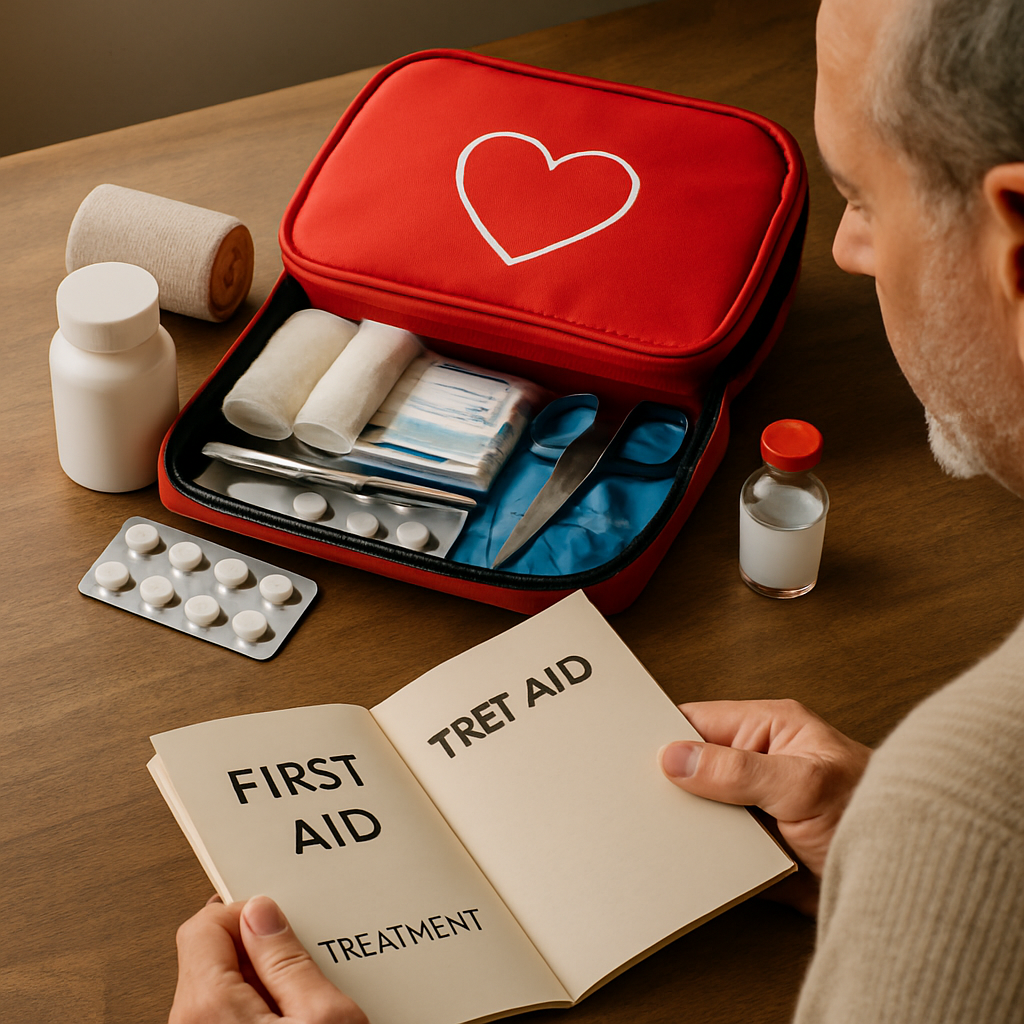

The first 90 minutes after a heart attack starts are the ones that decide most of what happens next. A well-stocked heart attack emergency kit at home won’t replace 911, and nothing should, but it can buy time, reduce damage, and give a panicked spouse or adult child something concrete to do while they wait for paramedics.
Most families don’t have one. They have a half-empty bottle of expired aspirin in a kitchen drawer and a vague memory of what their cardiologist said two years ago. That’s not a plan.
This walks through what actually belongs in a heart attack emergency kit, what to skip, and how to set things up so the people around you know what to grab. According to the American Heart Association, recognizing symptoms and acting fast is the single biggest predictor of survival, so we’ll start there.
Why a Heart Attack Emergency Kit Matters
About 805,000 Americans have a heart attack each year, and roughly one in five of those are "silent" or come with atypical symptoms, per CDC data. The mortality difference between someone who gets aspirin and EMS activation within 10 minutes versus 40 minutes is not subtle. It’s the difference between a stent and a stretcher.
What I tell patients is this: the kit is less about exotic supplies and more about removing friction. When chest pain hits at 2 a.m., nobody is reading labels. Everything you need should be in one box, in one place, and everyone in the household should know where it is.
A good heart attack emergency kit does three things. It helps confirm what’s happening. It delivers the one medication with proven benefit in the first minutes. And it hands EMS the information they need the second they walk in the door.
The Core Contents of a Heart Attack Emergency Kit
Here’s what belongs in the box. Keep it simple. Overpacking is how kits become museum pieces nobody can find anything in.
- Chewable aspirin, 81 mg, four tablets. The FDA notes that chewing 162 to 325 mg of aspirin during a suspected heart attack can reduce clot size. Chewable absorbs faster than swallowed.
- Nitroglycerin tablets or spray, if your prescriber has given you one. Check the expiration. Sublingual nitro loses potency fast once the bottle is opened, usually within 6 months.
- A current medication list with doses, including blood thinners, beta-blockers, insulin, anything.
- A laminated card with your name, date of birth, allergies, cardiologist’s name and number, and emergency contacts.
- Recent ECG copy or cardiology summary, if you’ve had cardiac workup before. Paramedics love this.
- Automated external defibrillator (AED), if budget allows. Home AEDs run $1,200 to $2,000 and are FDA-cleared for lay use.
- A pen and small notebook to write down the time symptoms started. This single data point shapes treatment decisions in the ER.
That’s the core. Not 30 items. Seven.
What to Leave Out
Skip the supplements. Skip cayenne pepper, CoQ10, fish oil, and the various internet folk remedies that claim to stop a heart attack. None have evidence behind them, and reaching for them wastes the minutes that actually matter. Skip ibuprofen and naproxen too, since NSAIDs other than aspirin can worsen cardiac outcomes during an event. If you’re weighing daily pain relievers more generally, our breakdown of acetaminophen vs ibuprofen for daily pain covers the tradeoffs.
Recognizing the Symptoms Before You Reach for the Kit
The kit only helps if someone recognizes what’s happening. Classic chest pressure is real but it’s not the whole picture, especially in women, older adults, and people with diabetes.
Watch for:
- Chest pressure, tightness, or squeezing lasting more than a few minutes
- Pain radiating to the jaw, left arm, back, or upper stomach
- Sudden shortness of breath, with or without chest pain
- Cold sweat, nausea, lightheadedness
- Unusual fatigue (a common early sign in women in the days before)
If any of these show up and don’t resolve in a couple of minutes, call 911 first. Then chew the aspirin. Not the other way around. Mayo Clinic guidance is clear that EMS activation comes before everything else, because paramedics can start treatment in the ambulance that the kitchen can’t.
Where to Store Your Heart Attack Emergency Kit
Storage location matters more than people think. The bathroom medicine cabinet is the worst spot, because humidity degrades aspirin and nitroglycerin. The bedroom nightstand or a kitchen cabinet away from the stove works better.
Whatever you pick, tell everyone in the house. Tape a card to the fridge that says where it is. If grandparents visit, walk them through it. A heart attack emergency kit nobody can find at 2 a.m. is just a box.
If you have multiple chronic conditions in the household, it can make sense to stage a few kits. Our guides on stocking a diabetes emergency kit for travel and the 7 essential medications every home emergency kit should have walk through complementary setups worth reading alongside this one.
Keeping the Kit Current
A kit is only as good as its last check. Set a recurring calendar reminder every six months. Replace expired aspirin. Replace nitroglycerin per the bottle’s date, sooner if it’s been opened. Update the medication list every time a prescription changes, which for most cardiac patients is more often than they expect.
You can stock low-dose aspirin and most supplies in your heart attack emergency kit affordably at edrugstore.com, and the pharmacy team can help confirm what’s appropriate for your specific cardiac history.
Quick Six-Month Checklist
- Check aspirin and nitroglycerin expiration
- Update medication list with current doses
- Confirm emergency contacts are still correct
- Test the AED battery and pads, if you have one
- Walk a family member through the kit’s location and contents
Final Thoughts
A heart attack emergency kit at home isn’t paranoia. It’s the same logic as a smoke detector. You hope you never need it, you don’t think about it most days, and on the one day it matters, it matters more than almost anything else in your house. Build it once, check it twice a year, and make sure the people you live with know where it is and what’s inside.
Talk to your cardiologist or pharmacist about whether daily aspirin, take-home nitroglycerin, or a home AED makes sense for your specific risk profile. The right heart attack emergency kit for a 45-year-old with high cholesterol looks different from one for a 70-year-old two years post-stent.
This article is for informational purposes only and is not medical advice. Always consult a licensed pharmacist or physician before starting, stopping, or changing any medication.
References
- American Heart Association, Heart Attack Symptoms and Response, symptom recognition and EMS activation timing.
- CDC, Heart Attack Facts, US incidence and silent heart attack statistics.
- FDA, Aspirin for Heart Attack and Stroke Prevention, guidance on aspirin during a suspected cardiac event.
- Mayo Clinic, Heart Attack Overview, symptom variation and emergency response protocol.

Dr Steven Schlosser
Dr. Schlosser graduated from Lafayette College Phi Beta Kappa and attended Georgetown Medical School. He had 4 years of medical residency training at Tufts University in Boston in both Gynecology and Internal Medicine. He has had a spotless medical career for the past 40+ years and is Board Certified. Learn More