
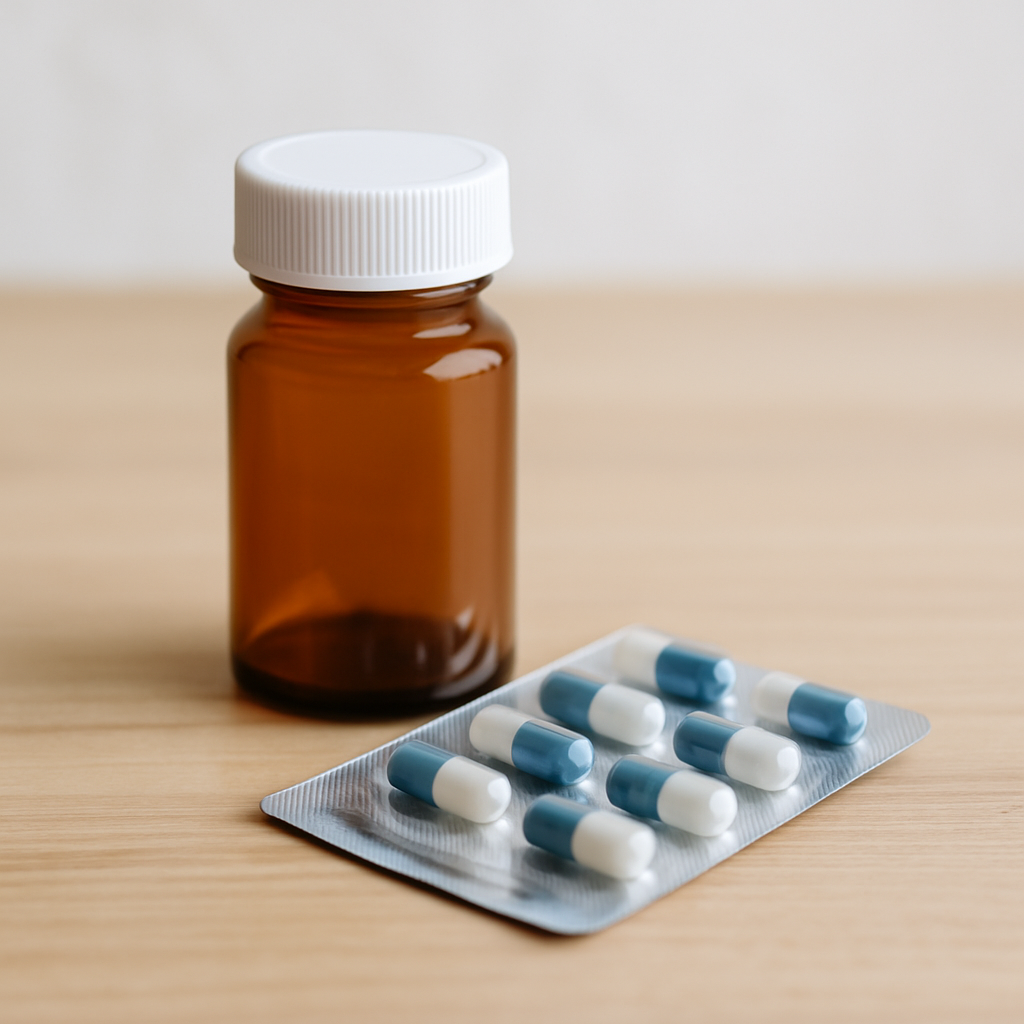

If a clinician just told you that you tested positive for chlamydia and handed you a prescription for doxycycline, you probably want two things: to know it actually works, and to know what the next seven days are going to feel like. Doxycycline for chlamydia has been the CDC’s preferred first-line treatment since the 2021 STI guideline update, and there’s a good reason for that change.
The short version: it cures the infection in roughly 97 out of 100 people when taken correctly. That’s better than the older single-dose azithromycin approach, especially for rectal infections.
But the full picture matters. Dosing, food timing, sun sensitivity, and what to do about your partner are all part of getting this right.
Why Doxycycline Is Now First-Line
For years, a single 1-gram dose of azithromycin was the go-to. Convenient, hard to mess up, done in one swallow. The problem was that newer data kept showing it underperformed, particularly for rectal chlamydia, where cure rates dipped into the 70s and 80s.
Doxycycline for chlamydia, on the other hand, holds steady around 97 to 98 percent cure across genital and rectal sites. A 2021 NEJM trial of 135 men with rectal chlamydia found doxycycline cured 100 percent of cases versus 74 percent for azithromycin. That’s the kind of gap that changes guidelines.
So if your prescriber wrote doxycycline, they’re following the current standard. Not being old-fashioned, not being cautious for no reason.
Standard Dosage and How to Take It
The recommended regimen is doxycycline 100 mg by mouth, twice a day, for seven days. Your prescriber will confirm the right dose for your situation, especially if you’re pregnant (doxycycline is generally avoided in pregnancy) or have kidney or liver concerns.
A few practical notes that actually matter for whether the drug works:
- Take it with a full glass of water, and stay upright for at least 30 minutes after. Doxycycline can irritate the esophagus if it gets stuck on the way down.
- You can take it with food. In fact, taking it with a light meal cuts down on nausea, which is the most common complaint.
- Avoid dairy, antacids, iron supplements, and calcium or magnesium within two hours of your dose. These bind to doxycycline in the gut and can drop absorption significantly.
- Finish the full seven days even if you feel fine on day three. You will feel fine on day three. The infection is not gone on day three.
Missing doses is the single most common reason treatment fails. Set a phone alarm. Twice a day, same times, for a week.
Side Effects: What Most People Actually Experience
Most patients tolerate doxycycline well. The side effects that do show up are usually mild and predictable.
The common ones:
- Nausea or mild stomach upset, especially on an empty stomach
- Sun sensitivity (this one catches people off guard)
- Loose stools or mild diarrhea
- A metallic or odd taste
- Yeast infections in some women, since doxycycline disrupts normal flora
The sun sensitivity is worth taking seriously. Doxycycline makes your skin burn faster and more intensely than usual, even through cloud cover. A 15-minute lunch walk in June can leave you looking sunburned by dinner. Wear sunscreen, a hat, or long sleeves. This isn’t theoretical, it happens often enough that pharmacists routinely flag it.
Less common but more serious side effects include severe headache with vision changes (which can signal intracranial hypertension), persistent watery diarrhea (possible C. difficile), or signs of an allergic reaction. Any of those, stop the drug and call your prescriber.
If you’re weighing antibiotic side effects against something like a stomach-friendlier pain reliever choice, keep acetaminophen on hand rather than ibuprofen during treatment, since both doxycycline and NSAIDs can be hard on the gut.
Cure Rate and What "Cured" Actually Means
When we say doxycycline for chlamydia has a 97 percent cure rate, that’s based on test-of-cure data and microbial clearance in clinical trials. For uncomplicated urogenital chlamydia, cure rates in published studies run 97 to 98 percent. For rectal chlamydia, doxycycline pulls clearly ahead of azithromycin, which is why the guideline shift happened.
A few caveats your prescriber will probably mention:
- You’re not considered non-infectious until seven days after starting treatment. No unprotected sex during that window, full stop.
- Reinfection is common, not because the drug failed, but because partners weren’t treated. Anyone you’ve had sex with in the last 60 days needs treatment too.
- Retesting at three months is recommended by the CDC, not to confirm cure, but to catch reinfection. Roughly one in five people test positive again within a year.
If symptoms persist after finishing the course, that’s a reason to go back, not to assume the drug didn’t work. Sometimes it’s a co-infection (gonorrhea, mycoplasma, trichomoniasis) that needs different coverage. Speaking of which, if your clinician also prescribed metronidazole alongside doxycycline, this overview of metronidazole’s role in sexual health explains why.
Partner Treatment and Cost
Expedited partner therapy (EPT) is legal in most states, meaning your provider can prescribe doxycycline or azithromycin for your partner without seeing them in person. MedlinePlus has a clear patient explainer on what to tell a partner and why their treatment matters as much as yours.
Cost is rarely a barrier here. Generic doxycycline hyclate 100 mg is one of the cheapest antibiotics on the market, usually under $20 for the full seven-day course, often under $10 with a discount card. Compare prices on generic doxycycline at edrugstore.com if your insurance copay seems high. Brand-name versions like Vibramycin exist but offer no clinical advantage, similar to how generic and brand-name medications match up in other drug classes.
The Bottom Line
Doxycycline for chlamydia works, and it works reliably, when you take it as prescribed for the full seven days, avoid the food and supplement interactions, and treat your partner too. The 97 percent cure rate isn’t marketing, it’s what the data shows. Side effects are usually mild and manageable with food, sunscreen, and patience.
Talk to your pharmacist about timing doses around meals and supplements, and ask your prescriber about retesting at three months. Getting treated once is straightforward. Staying chlamydia-free is the part that takes a little more attention.
This article is for informational purposes only and is not medical advice. Always consult a licensed pharmacist or physician before starting, stopping, or changing any medication.
References
- CDC STI Treatment Guidelines: Chlamydial Infections, Current first-line treatment recommendations and partner management.
- NEJM 2021: Doxycycline vs Azithromycin for Rectal Chlamydia, Randomized trial showing superior cure rates with doxycycline.
- MedlinePlus: Chlamydia Infections, Patient-facing overview of diagnosis, treatment, and prevention.

Dr Steven Schlosser
Dr. Schlosser graduated from Lafayette College Phi Beta Kappa and attended Georgetown Medical School. He had 4 years of medical residency training at Tufts University in Boston in both Gynecology and Internal Medicine. He has had a spotless medical career for the past 40+ years and is Board Certified. Learn More