
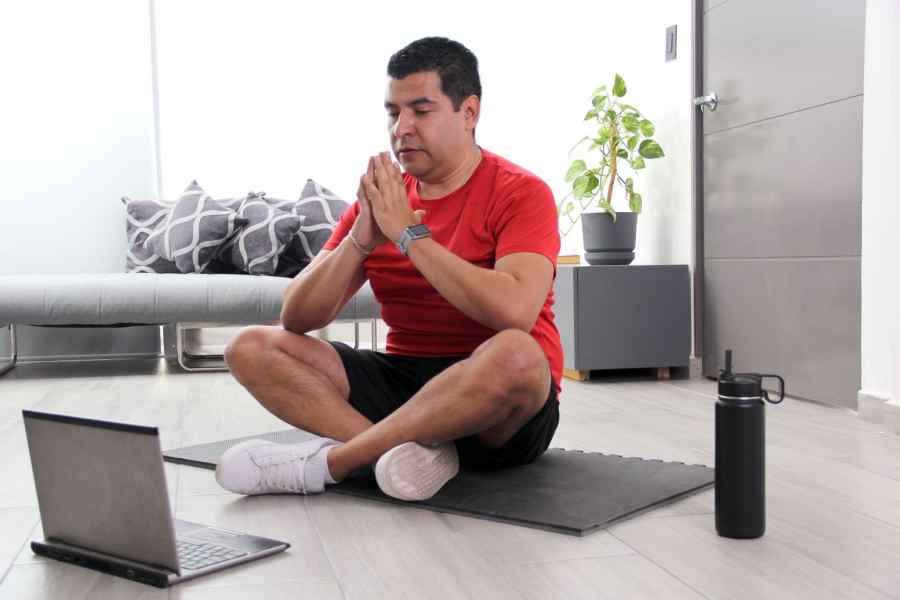

Javier is a 38-year-old Hispanic man with type 2 diabetes, which contributed to his erectile dysfunction. Javier told us his story to help men understand the links between ED and exercise, ED and diet, and how a chronic condition diagnosis doesn’t have to mean accepting a diminished life.
Here’s Javier’s story.
When I was younger, erectile dysfunction was something to joke about. It was something you said your buddies had to wind them up, or something somebody’s grandpa had. I’d have never believed that in my late 30s, I’d be fighting ED myself.
I was recently diagnosed with type 2 diabetes, thanks in part for seeking help for my problems in the bedroom. That journey has taught me some pretty important lessons I’d wished I’d learned when I was younger. I made lifestyle changes as part of living with diabetes and ED, and that’s helped a lot. I want other men to make these changes now, before they went through what I did.
Facing the Challenges
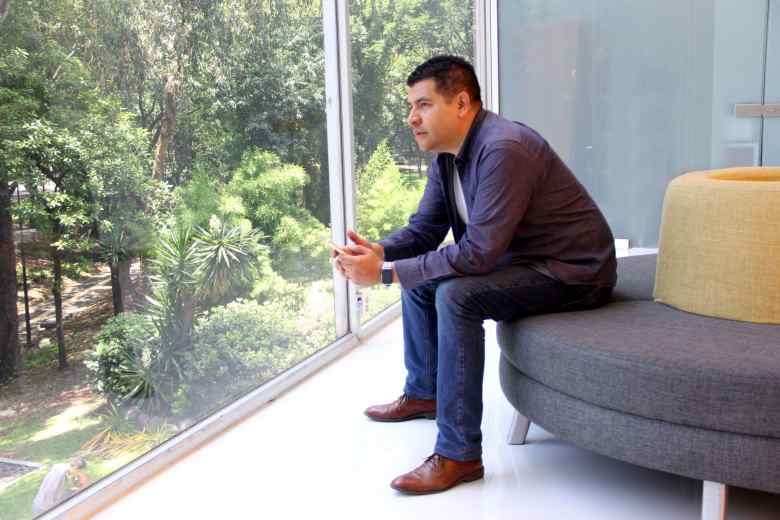
Type 2 diabetes has two known causes. The first is that your pancreas starts putting out less insulin, which can happen for a number of reasons. The second is that your cells don’t react as strongly to the insulin you do have, making it harder for your body to control your blood sugar. This is called insulin resistance.
When I was in my twenties, I more or less took my body for granted. I didn’t have any real health problems at the time, despite having some weight around the middle, and I ate all the garbage you eat as a kid before hitting the bars with my friends. When I started putting on weight, at first I didn’t notice.
When I got out of school and got a job, things got worse. I was sitting a lot of the day and working long hours, so exercise was hard to fit into my day. Because I was under a time crunch, more often than not, breakfast, lunch, and dinner all came from a drive-through. With taking care of my kids, supporting my wife as she went to school, and all the other stuff life throws at you, all I could do was stare at Netflix at the end of the day and have a few beers to manage my stress.
I knew all this was bad, and I did have a family history of diabetes. But if I thought about it at all, I thought diabetes was something that happened to old people, or people who lived off candy bars and went on reality shows to talk about how heavy they were. I didn’t always feel great, but I didn’t feel sick, and who had time for doctors?
The Turning Point
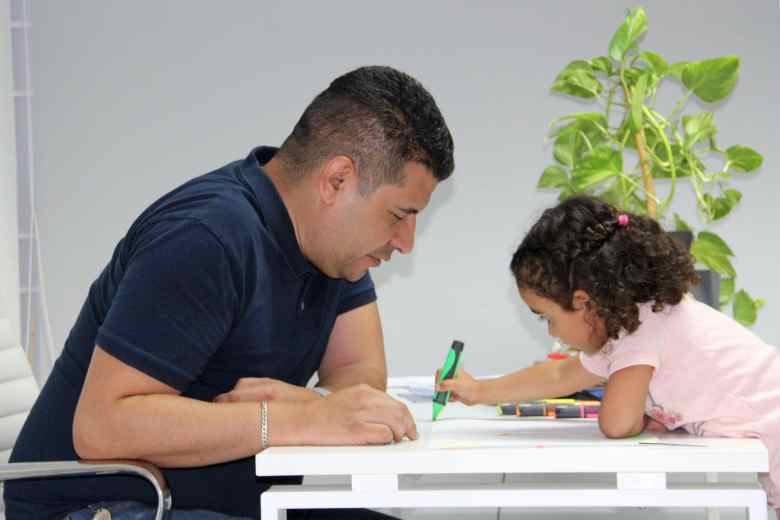 There wasn’t any one dramatic realization that I had a problem, but a lot of little things suddenly added up to a shock. I started getting thirstier during the day, and I was running to the bathroom more often. My hands and feet started to tingle for no reason. But what finally got me to the doctor was what was happening in the bedroom.
Looking back, ED was making things harder for me in my marriage. Again, there wasn’t any decisive event, but a lot of little ones where being intimate was getting more difficult. And rather than deal with it, I just withdrew and stopped trying. My wife thought it was her fault, because I couldn’t tell her what was wrong. I felt like less of a man, I felt unattractive, and I just couldn’t tell her why I felt that way.
I finally went to a doctor to ask about Viagra, hoping to just get in and out. But after asking me a few questions, she tested my blood sugar. I was stunned when I found out I had type 2 diabetes. That was when I realized I had to make some changes.
Making Changes

Probably the hardest moment was telling my family. My kids were old enough to understand, luckily, and my wife was shocked but relieved. As she said, she knew there was something wrong, and now we know what it is and how to treat it.
The first step was to learn how to monitor my A1C and manage my diabetes. Unfortunately, there’s no cure, and for a while I was terrified I was going to be a burden on my wife and kids. I learned quickly that managing diabetes through testing and insulin is the first step. I developed a routine for monitoring my blood sugar.
Next, I had to figure out how to change my diet to manage my weight. It helped to make small changes that added up. I started with what was in my glass. I began taking my coffee without sugar and cream. Instead of a soda at lunch, I drank seltzer. I also began cutting back on beer and ultimately stopped drinking altogether.
My family and I started making meals ahead of time, doing prep work for the week every Sunday and cooking food in batches. Probably the trickiest part was learning which foods were safe for people with diabetes and which were not, and explaining to the kids why we weren’t going to have some things in the house anymore. We made it an activity where we all learned together.
One of the best things about this journey was seeing my kids use what they learned to make better choices about what they ate.
Probably the toughest adjustment was getting more exercise and managing my stress. I thought that I was going to have to start doing intense workouts every day, but my doctor explained that it’s not about intensity so much as consistency. Even getting up a half-hour earlier to take a walk before I started my day was going to be better than nothing, so that’s what I started with.
I found the walks really helped, not just because I was being active, but also because it gave me some space to reflect and think. Since it was just me, with maybe some music, I could think about how I got here and what I needed to change.
A short time later, I began going to yoga classes a couple nights a week. I was leery of yoga at first, but I picked a class that was about breathing and stretching, not chanting. It’s really helped me, though, both for the exercise and to give me some time to think about my day.
The Transformation

All of this has been paying off. My weight loss was a bit more than my doctor had wanted at first; we were looking for me to lose a half pound a week, and cutting out the soda and beer meant more of a drop than we expected. But after swinging between too much and too little, with the occasional gain, we eventually found a good balance.
The feeling of pride I had when I tested my A1C and it was normal for the first time was just amazing. It was one of the tangible signs that the lifestyle changes I was making were paying off.
And while I won’t say my ED has gone away entirely, it’s become a lot easier to manage. That was some work as well; before all this I couldn’t have told you the difference between Cialis and vardenafil when it came to ED medications. But with some trial and error, I was able to pick the one that worked for both of us.
Between that and dealing with my stress, it’s been easier to be intimate, and to open up when I’m worried or scared. My bond with my wife has never been this strong, and it’s probably the best thing to come out of this experience.
The Road Ahead
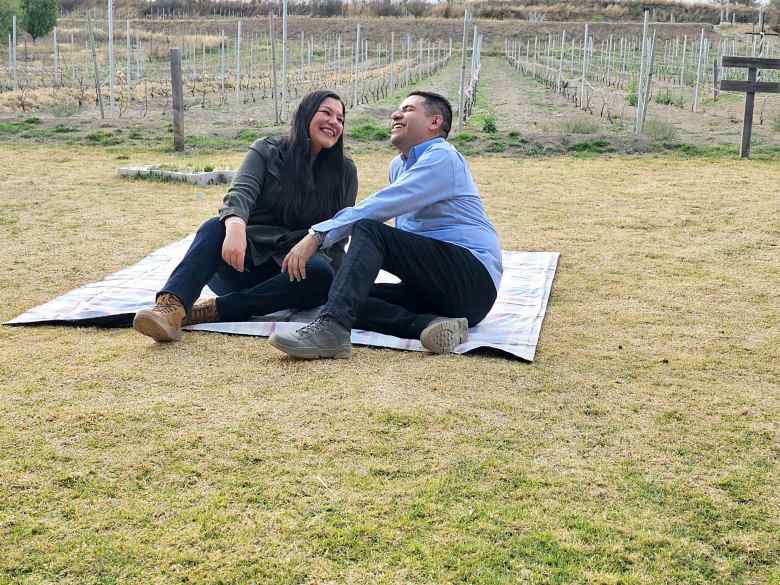
I admit that this hasn’t been easy. I had to build a new routine and have some tough conversations with friends who didn’t get why I wasn’t going beer for beer with them. And on top of it all, I’ve got regular doctor’s visits and other tests I have to fit into my life.
And no routine is bulletproof. I miss my morning walk sometimes, I occasionally eat something I shouldn’t, and I still have stress. My family has been great, but it’s been hard on them sometimes, too.
At the same time, I’ve learned a lot about how everything’s connected. I’m still a big guy, but I’m in better shape, and the weight continues to come off. Working to change my lifestyle and finding the ED medications and diabetes treatments that fit into my life have given me control over my health. And as I get used to each new change, the journey gets easier.
If there’s a lesson about ED and lifestyle changes in my story, it’s that it’s never too late to get started, and even small changes really pay off. And as you begin to see results, your motivation will only grow.
ED Medication Can Help You Feel More Like Yourself
Many men struggle with the problems Javier faced, including erectile dysfunction. Yet it’s easier to get the facts and find the right medication than you may realize. Prescription ED medication is carefully reviewed and tracked by the FDA, and because it’s been on the market for decades, the rewards and risks are well understood by doctors and pharmacists.
At eDrugstore, we provide up-to-date information, pricing, and telehealth services to help you figure out what ED drugs are right for you, and how they can support your lifestyle changes. To learn more and get started, visit our erectile dysfunction page.
Disclosure: The articles in this series are fictionalized accounts based on the real-life experiences of many men who struggle with ED. They do not reflect the story of any single individual.

Dan is a long-time freelance writer focusing on technology, science, health, and medicine, with a lifelong interest in physics, biology, and medicine. His work has taken a particular focus on scientific studies “beyond the headlines,” reading the study to more closely examine the results.