


Highlights
- Intersex is a general term that describes bodies that do not fit within traditional male/female sex categories.
- There is a wide variety of intersex traits, including differences in genitalia, internal reproductive anatomy, hormones, and chromosomes.
- Being intersex is not a disease or a medical problem.
- Intersex surgeries performed in early childhood can have lasting social, emotional, and health consequences.
- Accepting intersex as a natural and healthy variation in human biology can help to reduce the social stigma that intersex people face.
Intersex is an umbrella term that encompasses a broad community of people whose bodies don’t fit within textbook definitions of male or female sex characteristics. This article explores the many ways people can be intersex and explores the biological, psychological, and social implications of being an intersex person.
What Does It Mean to Be Intersex?

Intersex is a general term used to describe a variety of situations in which a person’s sex characteristics don’t fit traditional medical and social norms for female or male bodies. These sex characteristics can include reproductive anatomy, chromosomes, and/or hormones.
Being intersex is not a medical problem or a disease. Rather, intersexuality is a social construct used to describe a naturally occurring biological variation.
Being intersex is more common than many people realize. In fact, an estimated 1.7 percent of the world’s population are born intersex. An estimated one in 200 people in the United States are intersex.
How Does Being Intersex Relate to Gender and Sexual Orientation?
Being intersex does not dictate your gender or your sexual orientation. Research shows that intersex people may identify with a range of gender identities and sexual orientations in the same way that non-intersex people do.
Being intersex relates to physical characteristics and not a person’s internal sense of identity. Most intersex people identify as female, male, transgender, non-binary, or a different gender. This means that an intersex person may happen to identify as non-binary or transgender, but that being intersex is not the same thing as being transgender or non-binary.
Intersex people may identify as straight, gay, lesbian, bisexual, asexual, or another sexual orientation. Some research suggests that intersex people identify as nonheterosexual at higher rates than people who are not intersex.
What Are The Different Ways Someone Can Be Intersex?
There are many variations in human nature in regard to external genitals, internal reproductive organs, hormones, and chromosomes. There are also many different ways for someone to be intersex.
Medical researchers have identified over 40 different intersex variations.
These include variations in:
- Genitals or internal sex organs. Some intersex people have genitals or internal sex organs that don’t fit textbook definitions of the male or female binary. For example, a person may be born with both ovarian and testicular tissue.
- Chromosomes. Some intersex people have chromosome combinations that aren’t XY (male) or XX (female). People who are intersex may have a mix of chromosomes. For example, a person may have XXY or XO chromosomes.
- Hormones. Some intersex people have hormone levels that don’t match the rest of their reproductive anatomy. For example, a person may be born with traditional male external anatomy (a penis), but their internal sex organs and estrogen levels are more closely aligned with traditional female anatomy (ovaries and estrogen).
What Causes Someone to Be Intersex?
There isn’t one specific cause of being intersex. Some intersex traits may be genetically inherited, while others are more random.
Some intersex traits may develop due to:
- A missing or out-of-place sex-determining region Y (SRY) gene
- Changes to the androgen receptor (AR) gene
- Hormone exposure during embryo development
- Other genetic conditions that influence hormones involved in genital development
How Does Someone Know If They’re Intersex?
Sometimes intersex traits are noticed at birth. However, it’s not uncommon for intersex traits to appear when an individual reaches puberty. Other people may never know that a person is intersex because they have no noticeable intersex traits.
Common times for someone to notice they’re intersex include:
- At birth, due to visible genital differences
- During puberty, due to early puberty, unexpected development, or not experiencing puberty at all
- During adulthood, due to fertility problems
- During adulthood, during other medical exams or procedures
What Happens When Someone Is Born Intersex?

Intersex traits are sometimes noticeable at birth. For example, a baby may be born with:
- A penis without a urethral opening
- A vulva without a vaginal opening
- Labia that do not open
- A smaller penis than expected
- A larger clitoris than expected
- External genitalia that doesn’t match internal anatomy
When this happens, it’s common for the doctor and parents to assign the infant a sex (male or female). The parents will then raise the child in alignment with the gender norms associated with the assigned sex at birth.
What Is Intersex Surgery?
Being intersex doesn’t require medical intervention unless complications arise. This is one reason many people advocate against intersex surgery in babies and young children. Many intersex advocates speak to a long history of abuse and unethical practice where clinicians have attempted to “cure” intersex variations.
Sometimes parents will elect for their child to undergo surgery to align their bodies with one sex. Intersex people may also be given hormones during puberty. These treatments have historically been used to help intersex children fit into the traditional male/female sex binary.
Intersex surgeries are non-life-saving procedures. They are typically performed before a child is two years old.
Available surgeries include:
- Repositioning the clitoris
- Reducing the size of the clitoris
- Altering the vagina or creating a vagina
- Removing reproductive organs that produce sex hormones
- Moving the urethra
Intersex surgeries completed in infancy can lead to reduced sexual function as well as emotional and physical health consequences. The United Nations considers intersex surgeries performed without consent to be a human rights violation.
Advocates have worked to shift how the medical community, parents, and the general public view intersex people. Recognizing intersexuality as a natural variation and not a medical problem helps to combat the stigma surrounding intersex people. Many advocates and organizations want intersex people to be given the space to make decisions about their own bodies.
How Do Intersex People Fit Into the LGBTQIA+ Community?
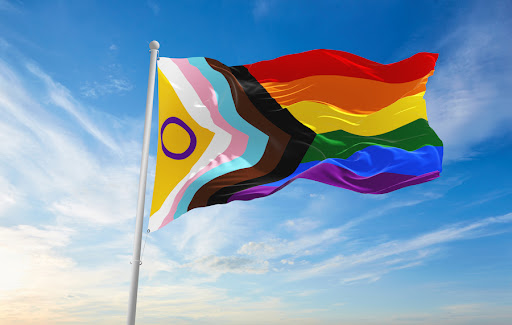
The “I” in LGBTQIA+ represents intersex. Intersex people’s experiences may overlap with many other people in the LGBTQIA+ community. For example, many intersex people experience social stigma, prejudice, and discrimination.
In addition to facing similar social and legal challenges, some intersex people also identify with other identities within the LGBTQIA+ community. For example, an intersex person may also identify as gay, lesbian, bisexual, asexual, or another sexual orientation other than straight. They might also identify as transgender, non-binary, or another gender.
In fact, reports show that intersex people report identifying as noncisgender or nonheterosexual more often than people who are not intersex. The discrimination intersex people face is often enforced by underlying homophobia, biphobia, transphobia, and antiquated gender norms.
What Are The Differences Between Transgender and Intersex?
Though some intersex people may also identify as transgender, intersex people have unique experiences, challenges, and support needs. This demonstrates one reason to ensure the intersex identity has a distinct place within the LGBTQIA+ community. People should not erase the intersex identity by grouping all intersex people under the transgender umbrella.
Intersex people’s experiences may overlap more with transgender people than with gender-conforming people within the LGBTQIA+ community. This is because some intersex people don’t conform to traditional gender binary norms.
A recent survey conducted by the Center for American Progress demonstrated that intersex people report experiencing discrimination at higher rates than nonintersex people. Specifically, 88 percent of LGBTQ+ intersex participants reported experiencing discrimination (refusal of care, harsh language, physical abuse) from a doctor or other healthcare provider in the past 12 months. This compared to 19 percent of nonintersex LGBTQ+ participants who reported experiencing discrimination.
How Can Being Intersex Impact Your Health?
Being intersex is a natural variation in human biology. The health concerns intersex people face are typically related to fertility, hormonal balance, and mental health. Surgery is rarely required to address health concerns unless an infant experiences urinary issues.
Research demonstrates that most intersex people are physically healthy but experience challenges related to mental health and daily function. These challenges may be linked to lifelong experiences of stigma and discrimination within social and healthcare settings.
Fertility
Some intersex people can reproduce, while some experience challenges with fertility. The path a person chooses to address such issues may depend on their anatomy and hormones. For example, some people may benefit from hormone therapy or in vitro fertilization.
Hormones
Some intersex people experience challenges with regulating hormones. For example, people born with congenital adrenal hyperplasia (CAH) may experience serious health issues due to how their body makes and responds to stress hormones. Some intersex people may have issues producing or regulating testosterone.
Whether or not someone experiences hormonal imbalances or challenges will depend on their individual health, anatomy, and physiology.
Cancer Risk
In the past, clinicians considered intersex people to be at high risk for certain types of cancer. However, the actual cancer risk level depends on the individual. For example, people with undeveloped gonads (ovaries or testicles) may be at a higher risk for developing cancer and may need to have their gonads removed.
Bone Health
Some intersex people may not produce sex hormones or may have their ovaries or testes removed. Without hormone replacement therapy, this places a person at higher risk for bone loss in early adulthood.
Urinary Tract Infections
Intersex surgeries performed in infancy or early childhood may increase a person’s risk for urinary tract infections (UTIs). Some people may require multiple surgeries to correct issues caused by infant intersex surgeries.
Mental Health and Quality of Life
The majority of mental health problems experienced by intersex people are often linked to lifelong discrimination. Advocates also speak out against unnecessary intersex surgeries, as they are linked to reduced quality of life, reduced sexual function, and mental distress.
How Can I Be an Ally to Intersex People?
Intersex people are often ignored and misunderstood. You can support intersex people by joining the growing movement to raise awareness, shift perspectives, and advocate for the rights of intersex (and all LGBTQIA+) people.
You can be a better ally to intersex people by:
- Recognizing that intersex people are the experts in their own experiences
- Accepting that there are many ways to be intersex
- Committing to continued learning about intersexuality, gender, and the LGBTQIA+ community
- Recognizing intersex bodies as one of many variations within natural and healthy human bodies
- Using intersex inclusive language
- Centering intersex people when discussing legal and human rights issues that affect them
- Celebrating Intersex Awareness Day
- Speaking out against discrimination and injustice
How Can I Use Intersex-Inclusive Language?
Language is always evolving, so specific terms may shift with time. There are several guides available to allies for using intersex-inclusive language. InterACT’s Intersex Inclusive Language Guide offers helpful guidance on how to speak about intersex people in a respectful and supportive way.
When speaking with or about intersex people, you should respect the language preferences of intersex people or the intersex person you are speaking with. You should also avoid using stigmatizing or harmful terms, such as the term hermaphrodite. This term is outdated, misleading, and stigmatizing.
How Can I Celebrate Intersex Awareness Day?
Intersex Awareness Day takes place on October 26 each year. This is the anniversary of the first public protest against non-consensual infant intersex surgeries in the United States, which took place October 26, 1996. You can celebrate by amplifying the voices of intersex advocates and by using your time to learn more about the intersex advocacy.
Support For Healthier and Happier Relationships
eDrugstore offers the support you need to experience happier and healthier relationships. Our products and services are backed by science-based information and are made for people of all gender and sexual identities. Our U.S.-licensed physicians offer free, unbiased consultations for sexual health issues, such as erectile dysfunction. Follow our blog and browse our medication guides to learn more about the products we offer.

Shelby is a public health professional with research and field experience in sexual and reproductive health. She holds a Master of Public Health (MPH) and is a Certified Health Education Specialist (CHES).