

Leaves are changing color and temperatures are starting to drop. While there are many visual cues that fall has arrived, allergy sufferers will notice physical signs. For many, the changing season brings about congestion.
Battling allergies

For Fenita Seals, allergies are just part of her life.
“My allergies are a constant problem,” she said. “I should buy stock in over the counter allergy meds.”
Seals is one of many affected by allergies. According to the National Institute of Allergy and Infectious Diseases, one in ten Americans have seasonal allergies.
“You can distinguish allergy symptoms from a cold because a cold tends to be short-lived, results in thicker nasal secretions, and is usually associated with sore throat, hoarseness, malaise, and fever,” says Badrul Chowdhury, M.D., Ph.D., an allergist and immunologist in the Food and Drug Administration (FDA).
“Many people with allergies notice a seasonal pattern with their symptoms, but others may need a health care professional’s help to find out for sure if pollen is the source of their misery.”
Many people can battle their allergies with over the counter medications, mostly decongestants or antihistamines. Others needs a little more power to kick their symptoms and turn to nasal sprays like Flonase or Nasonex.
Tips to avoid allergy symptoms
To keep your allergy symptoms at bay, it’s best to know when to go outdoors.
-
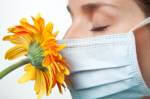
Talk with your doctor for the best allergy treatment. In the late summer and early fall, during ragweed pollen season, pollen levels are highest in the morning.
- In the spring and summer, during the grass pollen season, pollen levels are highest in the evening.
- Some molds, another allergy trigger, may also be seasonal. For example, leaf mold is more common in the fall.
- Sunny, windy days can be especially troublesome for pollen allergy sufferers.
