

If there weren’t already enough reasons to include more fruits and vegetables in their diet, perhaps the possibility of healthier erections will prompt more men to make smarter nutrition choices. The biochemicals associated with better erections are known as flavonoids, and the recently published long term study of more than 25,000 men indicates that higher intake of flavonoids is associated with a 14% reduction in risk of erectile dysfunction. Men who combined a flavonoid-rich diet with regular exercise appeared to benefit even more, with a reduction in risk of erectile dysfunction of 21%. Men under age 70 appeared to benefit most, according to the researchers, who are from the University of East Anglia in the UK.
While it is important to point out that correlation is not the same as causation, the results of the study are intriguing enough to offer one more reason why men should focus on having a healthy diet. Whether it was the flavonoids themselves that led to a reduction in erection problems, or some other aspect of the lives of men who consumed a lot of flavonoids has not been determined, but there’s basically no reason not to pursue a healthier diet that includes plenty of flavonoids found in fruits and vegetables.
So, What Are Flavonoids?
Flavonoids are a chief reason why so many fresh fruits and vegetables have bright, vibrant colors. They are known as phytonutrients and are found in just about all fruits and vegetables. There are over 6,000 types of flavonoids. Like many other phytonutrients, flavonoids are antioxidants, and they have anti-inflammatory properties and are believed to benefit the immune system.
Flavonoids have historically been used in Eastern medicine to support health of the skin and brain, and to regulate blood glucose and blood pressure. The diets that doctors and nutrition experts recommend to lower risks associated with cancer, heart disease, and neurodegenerative disease include foods high in flavonoids, though it’s not entirely clear whether it is the flavonoids themselves that are responsible for the reduction in risk or some other quality of the foods.
There are several groups of flavonoids, and within these groups are many more subgroups. Each type of flavonoid has its own characteristics and may be found in one or more foods. The three types of flavonoids believed to be important for maintaining erection health, according to the American Journal of Clinical Nutrition study cited above, are anthocyanins, flavanones, and flavones.
Anthocyanins
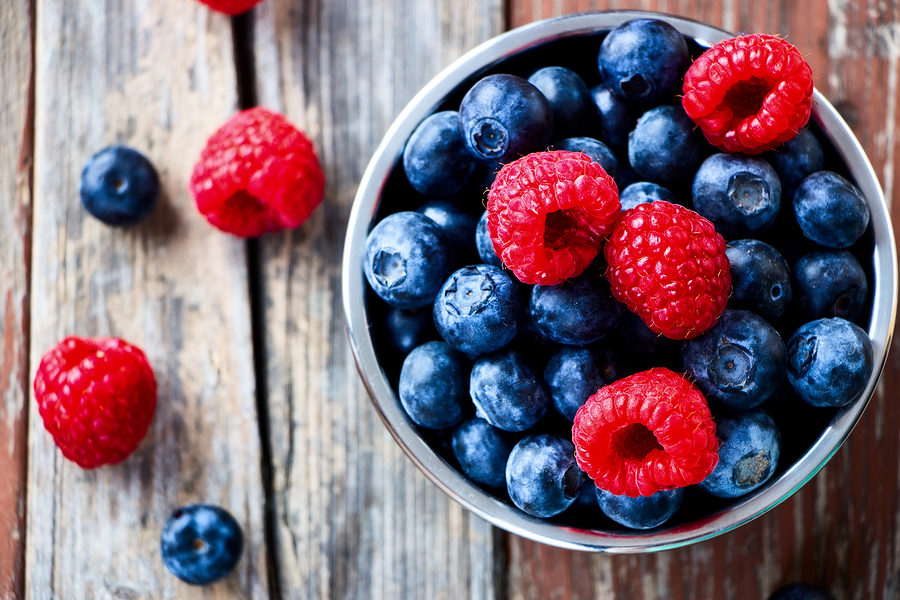
Anthocyanins are the reasons foods like blueberries, grapes, and cherries have such deep, vibrant colors. Anthocyanins are naturally occurring glycosides, which are made up of an anthocyanidin molecule connected with a sugar molecule. Berries and their juices, grapes, red wine, eggplant, blood oranges, red cabbage, and black plums are all rich in anthocyanins.
Plants produce anthocyanins in roots, stems, and leaves to protect themselves against environmental stresses like extreme temperatures, drought, and ultraviolet light. They’re the most prominent flavonoid in the typical person’s diet, with the average person taking in around nine times more anthocyanins than other flavonoids.
However, amounts of anthocyanins can vary significantly from one food to another. For example, certain apple varieties have higher anthocyanin levels than others, and black raspberries have more anthocyanins than do red raspberries. Concord grapes have more than red grapes. It’s important to consume a range of fruits to benefit most from the many flavonoids contained in them.
Flavanones
Flavanones are a group of flavonoids that are mostly found in citrus fruits. They affect both the color and the taste of many of these foods, and they interact with vitamin C, which is another antioxidant and is commonly found in citrus fruits. A flavanone called naringin is a bitter-tasting compound found in grapefruit, while hesperidin and eriocitrin are commonly found in lemons.
Though flavanones may affect the color of foods, they are usually without color themselves. Found in all parts of flowering plants, flavanones come in many varieties with slightly varying chemical structures. Even though the structures of two flavanones may be similar, however, they may function quite differently.
Flavanones affect many physiological processes. For example, naringin has been found to lower cholesterol and estrogen levels in laboratory animals, and may be helpful to diabetics with eye problems. Hesperin is believed to work with vitamin C to build up collagen in the joints and in the skin. Citrus fruits contain both naringin and hesperin, and that’s just one reason they’re recommended as part of a healthy diet and lifestyle.
Flavones
Like flavanones, flavones are found in citrus fruits, and also in many vegetables and herbs. Forms of flavones called apigenin and luteolin are found in celery, parsley, and thyme, and they tend to be yellow in color. Flavones are also found in many types of teas and are antioxidants with many possible effects on the body. Research on flavones, however, is still fairly new, so the specifics of how they act in the body have not been quantified.
Generally speaking, however, antioxidants help the body rid itself of dangerous free radicals. Flavones are also believed to impede high bodily levels of estrogen by curbing the production of aromatase, which is an enzyme essential to the synthesis of estrogen. If this is the case, flavones may eventually be found to decrease the risk of prostate and breast cancers.
Lifestyle Changes Have Long Been Recommended for Better Erections
General practitioners and urologists have long urged men with erectile dysfunction to adopt positive lifestyle changes that can affect the quality of erections. Losing excess weight, keeping diabetes in check, quitting smoking, exercising regularly, and consuming a healthy diet can all help men who have problems with erections. In some men, such lifestyle changes can be beneficial enough to prevent the need for erection medications like Viagra. In men who take medications like Viagra, however, healthy lifestyle choices are also beneficial, because they can help the medications work better, and can promote better energy and self-confidence.
Flavonoids Can’t Make Up for Everything
Flavonoids are good for you, but they can’t make up for everything. The new study cited above stated that consuming a flavonoid-rich diet can be as beneficial as two to five hours of brisk walking per week, which is terrific. But it’s not enough to make up for being overweight, having blood sugar or blood pressure issues, smoking, or excessive alcohol consumption. Flavonoids will work with you, but you have to put in some effort too. The benefits may be well worth it, however, because a flavonoid-rich diet can benefit heart health and help you keep weight under control while getting plenty of fiber and other nutrients.

Maybe you take a prescription medication like Viagra for erectile dysfunction and it works great. Regardless, there’s no real downside to making positive lifestyle changes, even if you continue to have to take ED medications. Helping your heart and blood vessels helps erections, and a diet that contains flavonoid-rich foods like berries, citrus fruits, eggplant, and red wine is good for your heart and associated with better erections over the long term.
eDrugstore.com has provided brand name prescription medications like Viagra, Levitra, and Cialis to over half a million satisfied customers, with unequaled customer service and fast, discreet shipping. We invite you to look over our blog and learn more about healthy erections and what you can do to improve this important aspect of your personal life.

We specialize in providing our over 1,000,000 customers with relevant product and condition information created by our professional editorial staff which includes our team of medical writers, medical practitioners, and health educators. eDrugStore.com Staff on Facebook