

Sexual Health Treatment. Private. Fast. Judgment-Free.
Doctor-prescribed STD and sexual health medications delivered discreetly to your door.
Physicians
Private
Delivery

DoxyPep 100mg
Post-exposure prophylaxis to help prevent bacterial STIs.
- Take Within 72 Hours
- Cuts Bacterial STI Risk
- Simple As-Needed Dose

Metronidazole 500mg
Antibiotic for bacterial vaginosis and trichomoniasis.
- Treats BV & Trich
- Proven Antibiotic
- Short Treatment Course

Valacyclovir 500mg
Antiviral that controls and suppresses herpes outbreaks.
- Controls Outbreaks
- Daily Suppression Option
- Reduces Transmission
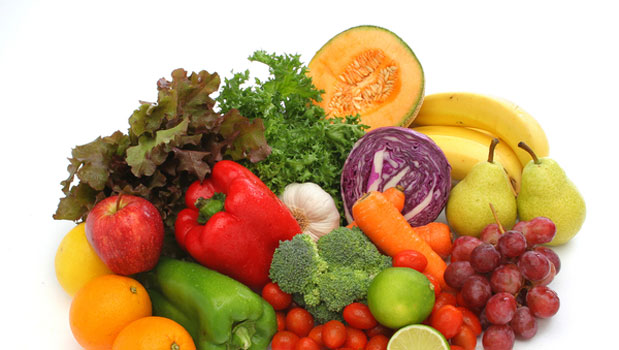
If you’d like to be able to enjoy a fulfilling sex life well into your golden years, maintaining robust heart health is essential.
And one of the most important keys to a healthy heart is good nutrition.
When it comes to heart health, good nutrition means a diet that includes:
- Generous helpings of fruits and vegetables, fresh whenever and wherever possible.
- Whole grains and other high-fiber foods, such as split peas, lentils, artichokes, avocados, lima beans, black beans, and Brussels sprouts.
- Limited salt (sodium).
- Limited red meat, particularly fattier cuts of meat.
- Foods high in omega-3 fatty acids, such as fish, soybeans, walnuts, flaxseed oil, spinach, and fish oil.
- Limited foods and beverages with added sugar.
Good vs. Bad Cholesterol
One of the several culprits that can lead to cardiovascular health problems — and erectile dysfunction in men — is excessive intake of low-density lipoprotein, or LDL, often referred to as bad cholesterol. Foods with high levels of LDL include whole-fat dairy products, red meats, processed foods, and foods containing trans fats.
This last category is becoming less of a problem, as the Food and Drug Administration and other health organizations have imposed rules mandating sharp reductions or even bans on the use of these trans fats in foods.
Partially hydrogenated oils are the main source of artificial trans fats in processed foods, such as donuts and other baked goods. To sharply reduce the availability of trans fats, the FDA in mid-2015 ordered that all trans fats in processed foods be eliminated over the next three years.
This will not totally eliminate trans fats from the American diet, which also occur naturally — although at relatively low levels — in some meats, dairy foods, and edible oils.
Counterbalancing to some extent the threat posed by LDLs are foods that are naturally high in high-density lipoproteins, or HDL, the so-called good cholesterol. High levels of HDL in the body help to keep LDL under control. Excellent sources of HDL include beans, fruits, and grains; fish, particularly fatty fish such as halibut, mackerel, salmon, and tuna; olive oil; nuts and seeds; olive oil; and red wine.
Uncontrolled levels of LDL in the bloodstream tend to accelerate the process of atherosclerosis, the buildup of fatty plaques on artery walls. As the accumulation of arterial plaque grows, the flow of blood to and from the heart is slowed as these blood vessels become progressively more clogged.
Not All Fats Are Bad
As you may have deduced from some of the foregoing tips, not all dietary fats are bad. In fact, some help to counterbalance or even reduce the negative effects of unhealthy fats. This tip should in no way be interpreted as license to consume even healthy fats in excess. All fats tend to be high in calories, so you should try to limit your overall intake of fats but attempt to substitute healthy fats for those that are more hazardous to your health.
Among foods high in saturated fats are beef or mutton fat (tallow), butter, cheese, cream, lamb, lard, pork, and poultry skin. Healthy fats include unsaturated fats such as those found in almonds, avocados, natural peanut butter, olive oil, and salmon.
Sensible Snacking
The key to success in any diet is staving off the temptation to eat more than you should or foods that should be avoided altogether. Throwing in a couple of healthy snacks between meals can help to keep you satisfied and on the straight and narrow. The American Heart Association offers some commonsense suggestions of snacks that will satisfy yet do nothing to threaten heart health.

If you’re yearning for a snack that offers that satisfying crunch, the AHA suggests you opt for apples or pears; bell pepper, cucumber, or zucchini slices; broccoli and cauliflower florets; carrot or celery sticks; nuts and seeds; popcorn, preferably hot air-popped; and rice cakes.
Quench your thirst with water — sparkling water for a little extra pizzazz; fat-free milk; unsweetened coffee or tea; a small glass of 100 percent fruit juice; or low-sodium tomato and mixed-vegetable juice. If you’re craving something sweet, acceptable treats include a baked apple; canned fruit, preferably in natural juice or light syrup; a frozen banana or frozen grapes; fresh fruit salad; or unsweetened dried fruits, such as dates, figs, and raisins.
Check Out Those Nutrition Labels
Nutrition labels on most packaged foods offer helpful information about both the macronutrients — carbohydrates, fats, and proteins — and micronutrients — minerals and vitamins — to be found in a typical serving of the food in question. However, serving sizes presented on these labels under current law have been widely criticized as being unrealistically low. That should all change by mid-2018 under new regulations adopted by the government. In the meantime, much helpful information can be gleaned from these labels provided the consumer realistically assesses the nutrients contained in the actual size of the serving he or she chooses to enjoy.
If this article has piqued your interest and you would like to read additional articles about various aspects of consumer health, check out our blog.

We specialize in providing our over 1,000,000 customers with relevant product and condition information created by our professional editorial staff which includes our team of medical writers, medical practitioners, and health educators. eDrugStore.com Staff on Facebook