

Sexual Health Treatment. Private. Fast. Judgment-Free.
Doctor-prescribed STD and sexual health medications delivered discreetly to your door.
Physicians
Private
Delivery

DoxyPep 100mg
Post-exposure prophylaxis to help prevent bacterial STIs.
- Take Within 72 Hours
- Cuts Bacterial STI Risk
- Simple As-Needed Dose

Metronidazole 500mg
Antibiotic for bacterial vaginosis and trichomoniasis.
- Treats BV & Trich
- Proven Antibiotic
- Short Treatment Course

Valacyclovir 500mg
Antiviral that controls and suppresses herpes outbreaks.
- Controls Outbreaks
- Daily Suppression Option
- Reduces Transmission
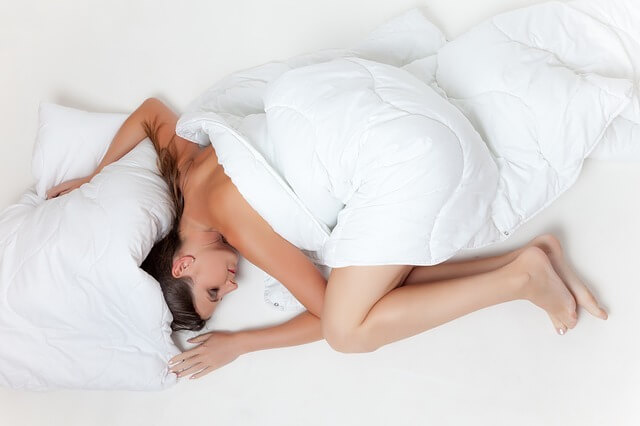
Sleep deprivation is almost epidemic in the hustle and bustle of 21st century life. And a lack of adequate rest can take its toll of on your love life, as well as most other aspects of your day-to-day routine. Consider grabbing a short nap whenever you can.
Naps are for children, or at least that’s what our busy modern culture wants us to believe. That same life of hectic schedules and multitasking is also plagued by a general lack of sleep. Most of us are surviving on well below the recommended amounts of sleep, and it shows.
Stress, anxiety, depression, lack of energy, an inability to focus, susceptibility to illness, and even weight gain are all signs and symptoms of a body suffering from lack of sleep. In addition, lack of sleep and its side effects can affect your life in very specific ways. You may find that you are more impatient or easily angered, have difficulty paying attention and processing information effectively, and are less alert and able to react quickly.
Another common side effect of lack of sleep is a decreased sex drive. If your body is tired and does not benefit from the rejuvenation that takes place during the sleep cycle, it will not be in the right condition to respond properly to sensual stimuli, leading to a decrease in your libido. A lack of appropriate sexual response and erectile dysfunction may be caused by other physiological problems, but the amount of sleep you get, or don’t get, may have a great deal to do with it as well.
Effects of Lack of Sleep on the Body
While the hours we spend sleeping may seem like wasted time, our body is actually quite busy during those restful periods. As we sleep, our bodies are busy repairing the damage incurred during the previous day. Cells are renewing, muscles are repairing, and the brain is resting its busy neurons, cataloging the events and knowledge of the previous day, and preparing for a new day by forming new information pathways. An unrested brain can be very dangerous. Your cognitive abilities will suffer, and your memory will feel the negative effects as well. In extreme cases, a lack of sleep can trigger depression, mania, paranoia, and impulsive behavior. These kinds of psychological effects can take a toll on your performance at work, at school, in social situations, and in the bedroom.

The immune system is also busy when we are asleep, producing new antibodies and protective cytokines that are used to fight off viruses and bacteria. These protective substances also help you to sleep peacefully as they protect the body from invaders. An immune system in a non-sleeping body is always on-call, so to speak, and doesn’t have the opportunity to replenish its forces, building up the antibodies and such to protect the body. Not only may you be more prone to getting sick, but you may also have a more difficult time recovering from an illness.
Studies have also found that not getting enough sleep can have an effect on the size of your waist as well. Sleep deprivation is considered one of the risk factors for obesity for a few reasons. First of all, a lack of sleep increases the production of cortisol, a stress hormone that causes the body to store fat, particularly around the abdomen. It also lowers the levels of a hormone called leptin. Leptin tells your brain when you have had enough to eat, so low levels of this hormone may result in more incidents of overeating. In addition, lack of sleep raises the body’s levels of ghrelin, a biochemical that stimulates the appetite. Finally, sleep deprivation stimulates the body to release insulin in higher levels than needed after eating. This promotes fat storage in the body, as well as significantly increasing your risk of developing type 2 diabetes. Both obesity and type 2 diabetes put you at higher risk of developing cardiovascular problems and neurological problems, which may include erectile dysfunction and a lower libido.
The Science of Napping
There very well may be a scientific reason why we humans benefit from naps. There are two kinds of sleepers: monophasic and polyphasic. Humans are classified as monophasic sleepers because we divide our days into two parts, one awake and one asleep. This sleep pattern does not appear to be a natural sleep pattern for humans, especially since more than 85 percent of our mammal relatives sleep differently. Most mammals are polyphasic sleepers, which means they sleep for short periods of time throughout the day.
Humans are not always exclusively monophasic. Young children frequently take naps, with the length of time decreasing as they age, and naps are usually ended by the time they enter first grade, sometimes sooner. Elderly people are also known for taking naps, but this is often attributed to the decline of their physical condition more than the body’s need to rejuvenate. Napping is also culturally acceptable in many countries, with whole communities indulging in two to four hours of rest during what are frequently the hottest hours of the day.
How Long Should I Sleep?
When you’re talking about nighttime sleep, the recommended amount for the average adult is seven to nine hours of sleep. Some people really do need less than that, but this amount should be the goal to get the full restorative effects of a good night’s sleep.
Nap-wise, the general recommendation is 20-30 minutes. This kind of “power nap” is just enough time to improve your alertness and performance, while not interfering with your nighttime sleep. Naps that stretch longer than 30 minutes can lead to a condition called sleep inertia, which is the period of grogginess that can occur after sleeping.

Sex requires a good deal of physical and mental energy, so sleep deprivation can definitely take its toll on your libido. Your libido, which includes your overall sex drive and sexual activity, can be very easily influenced by a variety of factors. Not only can a physical lack of energy and stamina affect your performance, but the psychological effects of not sleeping can also make it difficult to focus, leading to erectile dysfunction, an inability to achieve orgasm, and a general lack of interest in sex. Sleep deprivation can also lead to poor judgment, anxiety, agitation, and depression, all of which can lead to a decrease in your sex drive.
So how much can a 20-minute nap every day improve your sex drive? It really depends on your overall health and well-being. While a nap can’t overcome physiological problems that cause erectile dysfunction or conquer any psychological fears or worries that are hindering your libido, a nap can boost your energy levels, clear your head, improve your mood, and significantly decrease your stress levels, all of which can go a long way toward improving your sex drive. If you are encountering problems with your sex drive, a lack of interest or an inability to perform satisfactorily, for example, taking a look at how much sleep you are getting, and not getting, may be an important first step in improving not only your sex drive but your overall health, too.
If you have found this article informative and would like to see more of the same, particularly information relevant to sexual health and function, follow our blog on a regular basis.

We specialize in providing our over 1,000,000 customers with relevant product and condition information created by our professional editorial staff which includes our team of medical writers, medical practitioners, and health educators. eDrugStore.com Staff on Facebook