

Effective ED Treatment. Private. Convenient. Trusted.
Doctor-prescribed ED medication delivered discreetly to your door.
Physicians
Private
Delivery

ED3 Max Dissolvable ED Pills
Long-lasting results up to 36 hours.
- Up to 36 Hour Window
- Improved Confidence
- Works When You Need It

Sildenafil 25mg
Proven effective treatment.
- Starts Working in 30–60 Min
- Effective, As Needed
- Trusted & Reliable
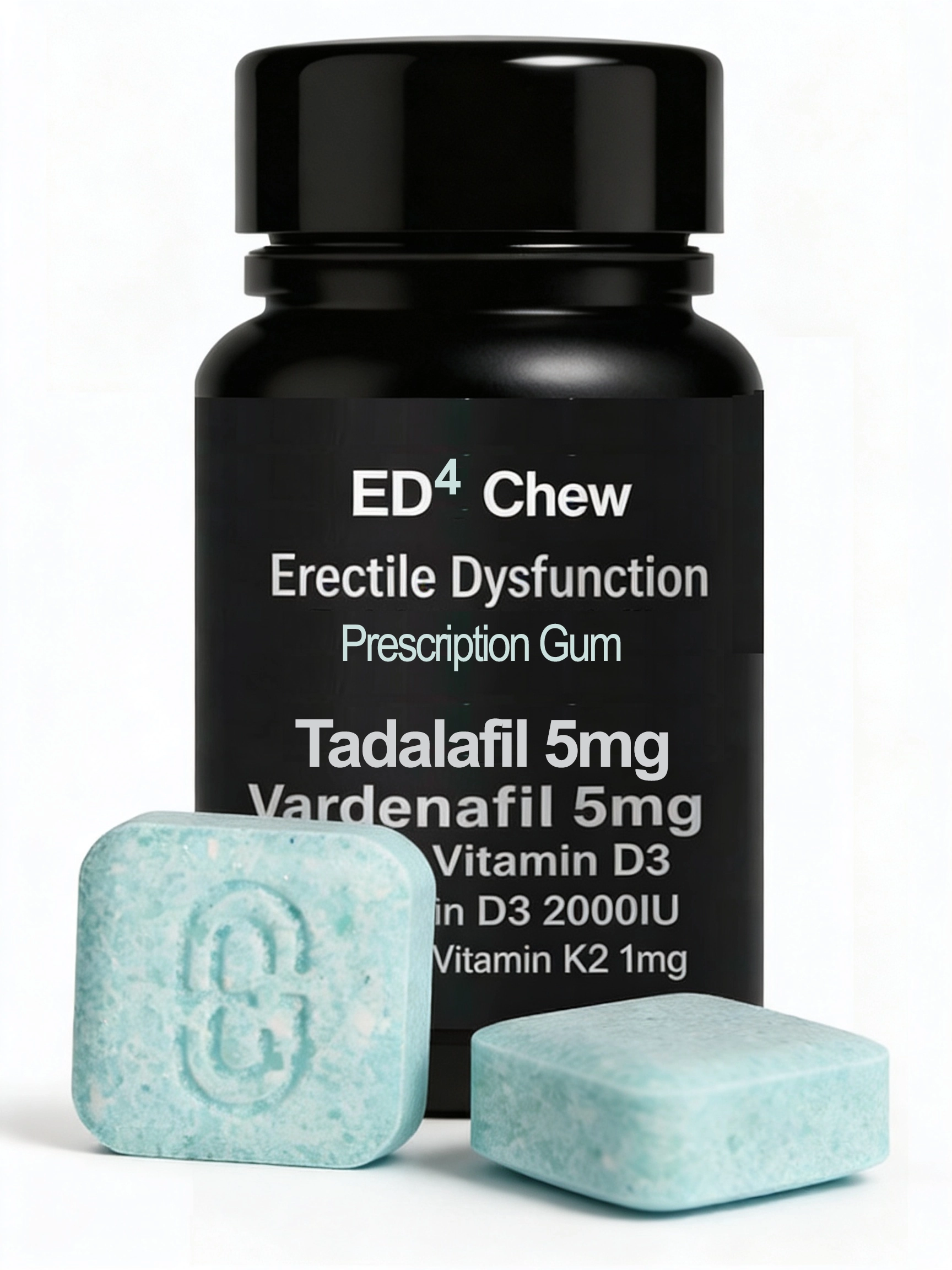
ED4 Chew Gum
Low daily dose for continuous readiness.
- Taken Once Daily
- Continuous Readiness
- Improves Confidence
Most men wait years before they talk to your doctor about erectile dysfunction. Not weeks. Years. By the time they bring it up, they’ve already tried supplements, Googled symptoms at 2 a.m., and convinced themselves the conversation is going to be more humiliating than it actually is.
It isn’t. Primary care doctors and urologists handle this conversation every single day, and for most of them it’s about as awkward as discussing blood pressure. The hard part is the first sentence. After that, it’s just medicine.
Here’s the part nobody tells you: ED is often the first visible sign of something bigger going on, which is exactly why your doctor wants to know. According to the National Institute of Diabetes and Digestive and Kidney Diseases, erectile dysfunction can be an early warning of cardiovascular disease, diabetes, or hormonal issues. Staying quiet doesn’t just cost you your sex life. It can cost you a head start on conditions that matter a lot more.
Why It Matters to Talk to Your Doctor About Erectile Dysfunction
ED isn’t just a bedroom problem. The same vascular issues that affect erections, narrowed arteries, poor endothelial function, often show up downstream as heart attacks or strokes. A widely cited Mayo Clinic review notes that ED can precede coronary artery disease by three to five years in some men.
That window matters. When you talk to your doctor about erectile dysfunction, you’re not just asking for a prescription. You’re triggering a fuller workup, blood pressure, lipids, fasting glucose, sometimes testosterone, that might catch something silent and treatable.
And if it turns out the cause is purely situational, stress, a new medication, too much alcohol, you’ll know that too. As one of our articles on how alcohol and ED interact explains, the trigger can be much simpler than you think.
Before the Appointment: Get Your Notes Together
Walking in with specifics changes the whole tone of the visit. Vague gets vague answers. Specific gets a real plan.
Jot down:
- When the problem started, gradual over months, or sudden one night
- Whether you still get morning or spontaneous erections
- How often it happens, every time, sometimes, only with a partner
- Current medications, including over-the-counter ones and supplements
- Alcohol intake, smoking, recreational drugs (be honest, it matters)
- Other symptoms, low energy, weight changes, mood, sleep quality
- Your relationship situation and stress level
That last bullet feels personal, but psychological causes are real and treatable. Younger men in particular should know that, as covered in ED at 30 and what early signs can predict, early ED often has a stress or vascular root that’s easier to fix when caught early.
How to Actually Start the Conversation
The opening line is what people get stuck on. You don’t need a polished script. You just need one direct sentence. Try one of these:
- "I’ve been having trouble getting or keeping an erection, and I’d like to figure out why."
- "Something’s changed in the last few months with my sex life. Can we talk about it?"
- "I think I might have ED. I want to rule out anything serious."
That’s it. Your doctor will take it from there. If it helps, write the sentence on a notecard and hand it over. Some patients do exactly that. There’s no rule that says you have to say it out loud first.
If your primary care doctor seems rushed or dismissive, ask for a referral to a urologist. It’s a reasonable request and you don’t need to justify it.
What Your Doctor Will Probably Ask
Expect questions like these, and they’re not gotchas, they’re how the workup actually narrows down:
- How long has this been going on?
- Do you wake up with erections?
- Any chest pain, shortness of breath, or leg cramps with exertion?
- Are you taking blood pressure meds, antidepressants, or finasteride?
- How’s your sleep? Do you snore loudly or stop breathing at night?
- How much do you drink in a typical week?
The morning erection question is a big one. If you still get them, the plumbing usually works, which points toward psychological or medication-related causes. If you don’t, vascular or hormonal causes move up the list.
Questions Worth Asking Back
Doctors appreciate engaged patients. A few worth bringing:
- Could any of my current medications be contributing?
- Should we check my testosterone, lipids, and blood sugar?
- Is a PDE5 inhibitor like sildenafil or tadalafil a reasonable starting point?
- Are there lifestyle changes that would help before, or alongside, medication?
- If the first medication doesn’t work, what’s next?
That last question matters. About 30% of men don’t respond fully to the first PDE5 inhibitor they try, and switching from one to another, or adjusting timing and dose, often solves it. Our breakdown of Viagra vs Cialis on side effects, cost, and duration is a useful read before that conversation, so you can ask informed questions about which fits your life better.
What Treatment Usually Looks Like
For most men, first-line treatment is an oral PDE5 inhibitor, sildenafil (generic Viagra), tadalafil (generic Cialis), vardenafil, or avanafil. The FDA has approved this class for ED, and generics have made them dramatically more affordable than they were a decade ago. Your prescriber will pick the right starting dose based on your health, other medications, and how often you want to take it.
Other options when oral medications don’t work or aren’t safe (men on nitrates for chest pain, for example, can’t take them) include vacuum erection devices, intracavernosal injections, urethral suppositories, and penile implants. Testosterone replacement is only appropriate if blood work confirms low T, not as a general ED treatment.
If cost is a concern, generics have changed the math considerably. You can compare sildenafil and tadalafil prices at edrugstore.com against your local pharmacy before you fill, many patients save 50% or more by shopping around.
Closing Thought
The hardest part of this whole process is deciding to talk to your doctor about erectile dysfunction in the first place. Once you’ve said the words, you’re already through the worst of it. Bring notes, ask real questions, and treat it the way you’d treat any other medical issue, because that’s all it is.
Talk to your doctor about erectile dysfunction at your next visit, or schedule one specifically for it. Then talk to your pharmacist about which treatment option fits your budget, your other medications, and how you actually want to live.
This article is for informational purposes only and is not medical advice. Always consult a licensed pharmacist or physician before starting, stopping, or changing any medication.
References
- National Institute of Diabetes and Digestive and Kidney Diseases, overview of ED causes, diagnosis, and links to systemic disease.
- Mayo Clinic, clinical summary of ED symptoms, causes, and the cardiovascular connection.
- U.S. Food and Drug Administration, FDA-approved medications for erectile dysfunction.

Dr Steven Schlosser
Dr. Schlosser graduated from Lafayette College Phi Beta Kappa and attended Georgetown Medical School. He had 4 years of medical residency training at Tufts University in Boston in both Gynecology and Internal Medicine. He has had a spotless medical career for the past 40+ years and is Board Certified. Learn More