

Real Hair Regrowth. Proven. Prescribed. Private.
Doctor-prescribed hair loss treatments delivered discreetly to your door.
Physicians
Private
Delivery

Finasteride
Blocks DHT to stop hair loss at the source.
- Clinically Proven
- One Tablet Daily
- Slows Loss, Spurs Regrowth

Minoxidil Tablets
Boosts follicle blood flow for thicker growth.
- Stimulates Dormant Follicles
- Convenient Oral Dose
- Thicker, Fuller Hair

Men's Hair TriGro
Compounded triple-action formula for max regrowth.
- 3 Actives in One Dose
- Targets Loss Multiple Ways
- Physician-Formulated

Propecia was developed following studies of the Merck drug Proscar, a 5 mg form of finasteride, which was used to treat benign prostate enlargement. Initial studies found that many men taking Proscar started re-growing hair that had been lost due to male pattern baldness. The daily, low-dose finasteride drug Propecia was approved by the Food and Drug Administration (FDA) and first went on sale in 1997.
Propecia, Proscar, and the Prostate
Proscar was approved in 1992 for treatment of benign prostate hyperplasia (BPH). By reducing prostate enlargement, it helps men cope with BPH symptoms like difficulty urinating, frequent urination, blood in urine or semen, and a weak stream while urinating. Propecia was investigated, but not approved for prevention of prostate cancer in men at high risk for the disease. Propecia is not prescribed for BPH, but is prescribed for treating male pattern baldness. Propecia’s dosage has not been studied for reduction of risk of prostate cancer.
The Gleason Score and Why It’s Important
The Gleason Score is a number from 2 to 10 assigned to cancerous prostate tumors. It is based on the two or three most prevalent types of cancer cells in a particular prostate tumor. While there are finer points of differentiation among Gleason Scores of the same number, the main point to remember is that the higher the Gleason Score, the more aggressive or advanced a prostate tumor is. A prostate tumor with a Gleason Score greater than 7 is considered aggressive.
Studies Finding Link Between Finasteride and Prostate Cancer
In 2011, the FDA changed the Warnings and Precautions section of the labeling for 5-alpha reductase inhibitors including Proscar and Propecia to include information on increased risk of being diagnosed with a more serious (Gleason Score of 7 or more) form of prostate cancer.
The risk appears low, and was detected in the Prostate Cancer Prevention Trial (PCPT). This study, published in 2005, showed that finasteride at the 5 mg dosage used in Proscar reduced overall prevalence of prostate cancer by 25%. However, it was also associated with an increase in high-grade prostate cancer diagnoses. The increased risk appeared small, but nonetheless, this was unexpected news.
Studies Finding No Causal Link Between Finasteride and Prostate Cancer
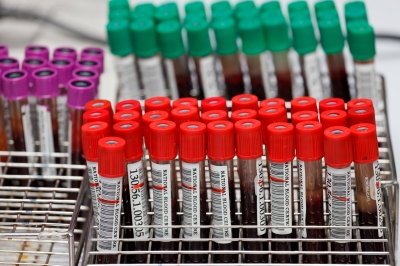
Further studies have helped researchers clarify the association between finasteride and aggressive prostate cancer, and the results so far are reassuring. A 2008 update of the PCPT revealed that the smaller prostate that resulted from taking finasteride actually facilitated the detection of aggressive cancer cells. In other words, finasteride apparently didn’t cause an increase in aggressive prostate cancers, but made them easier to find. The increase, therefore, could be attributed to simple detection bias.
One important point remained, however, and that was that finasteride reduced levels of a substance called prostate-specific antigen (PSA), and PSA screening is used in screening for prostate cancer. Doctors and patients should be aware that in men taking finasteride, PSA levels may be artificially low, and that other methods of screening for prostate cancer may be in order depending on a particular patient’s risk profile. Any confirmed increase in PSA during treatment with finasteride should be evaluated, even if the increase does not take the PSA level above the “normal” range.
Making an Informed Decision About Propecia
Men who consider taking Propecia for hair loss should discuss prostate health with their physicians and should make a fully informed decision after learning about possible side effects, including suppressed PSA levels and possible sexual side effects. Men who are old enough to be regularly screened for prostate cancer should inform their physicians if they take Propecia.
eDrugstore.com is a trusted secure online source for prescription medications like Propecia, and only dispenses these medications with a doctor’s prescription. eDrugstore.com wants customers to make the most informed decisions possible when it comes to taking prescription medications, and when they choose to purchase these medications through us, we ship them promptly and discreetly, with the utmost commitment to patient safety and privacy.
Photo Credits: Ambro / freedigitalphotos.net, Sura Nualpradid / freedigitalphotos.net

We specialize in providing our over 1,000,000 customers with relevant product and condition information created by our professional editorial staff which includes our team of medical writers, medical practitioners, and health educators. eDrugStore.com Staff on Facebook