


Effective ED Treatment. Private. Convenient. Trusted.
Doctor-prescribed ED medication delivered discreetly to your door.
Physicians
Private
Delivery

ED3 Max Dissolvable ED Pills
Long-lasting results up to 36 hours.
- Up to 36 Hour Window
- Improved Confidence
- Works When You Need It

Sildenafil 25mg
Proven effective treatment.
- Starts Working in 30–60 Min
- Effective, As Needed
- Trusted & Reliable
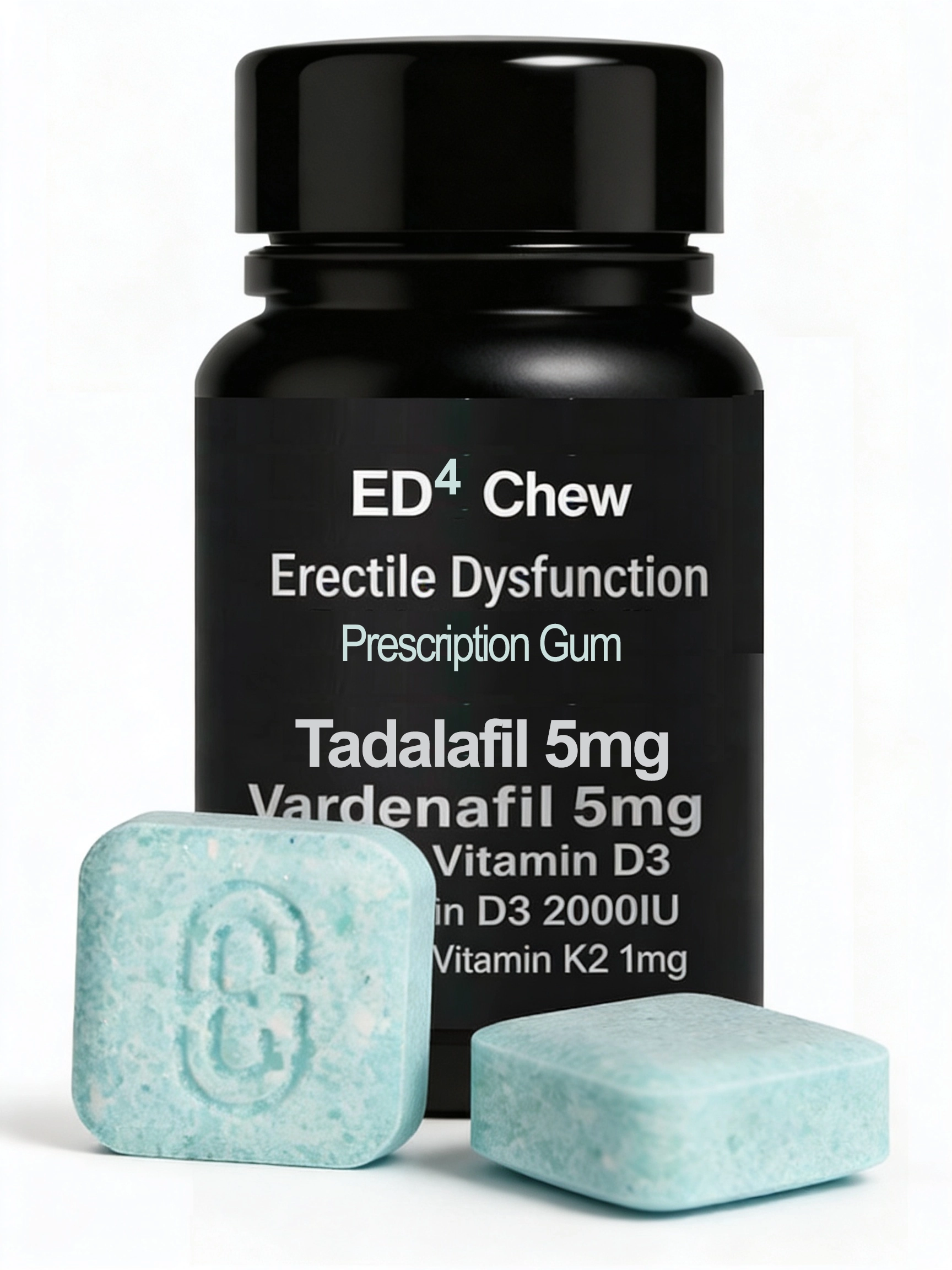
ED4 Chew Gum
Low daily dose for continuous readiness.
- Taken Once Daily
- Continuous Readiness
- Improves Confidence
Blueberries are rich in flavonoids, notably the anthocyanins that give the fruit its distinctive color. Other berries and fruits, along with red wine and green tea also contain high levels of flavonoids.
Findings from a recently published study offer hope for men who are anxious to do all that they can to preserve healthy erectile function as they age. The researchers responsible for the study found that men whose diets include high levels of flavonoid-rich foods have a significantly lower risk of developing erectile dysfunction.
So what are flavonoids? They belong to a large family of phytonutrients — plant-based nutrients — that are found in almost all fruits and vegetables and are responsible for the rainbow of colors found in these plant-based foods. While flavonoids occur in almost all plant foods, a handful of these foods have extraordinarily high levels of these nutrients, and those are the ones most beneficial in strengthening and protecting erectile function.
Flavonoid-Rich Foods
Among the foods richest in flavonoids are blackberries, blueberries, apples, pears, grapefruit, and oranges. Plant-based beverages with high levels of flavonoids include red wine and green tea. Among the phytonutrients known as flavonoids are several subclasses, including anthocyanins, flavan-3-ols, flavanones, flavones, and flavonols.
Foods rich in anthocyanins, responsible for red-blue pigments in fruits and vegetables, include blackberries, black and red raspberries, blackcurrant, cherries, cranberries, bilberries, Concord and muscadine grapes, eggplant peel, red cabbage, and black rice.
Under the overall heading of flavan-3-ols are such phytonutrients as catechins, epicatechin gallates, epigallocatechins, epigallocatechin gallates, proanythcyanidins, theaflavins, and thearubins. The richest source of flavan-3-ols is green tea, followed by apples, cocoa powder, dark chocolate, and grapes.
Citrus High in Flavanones
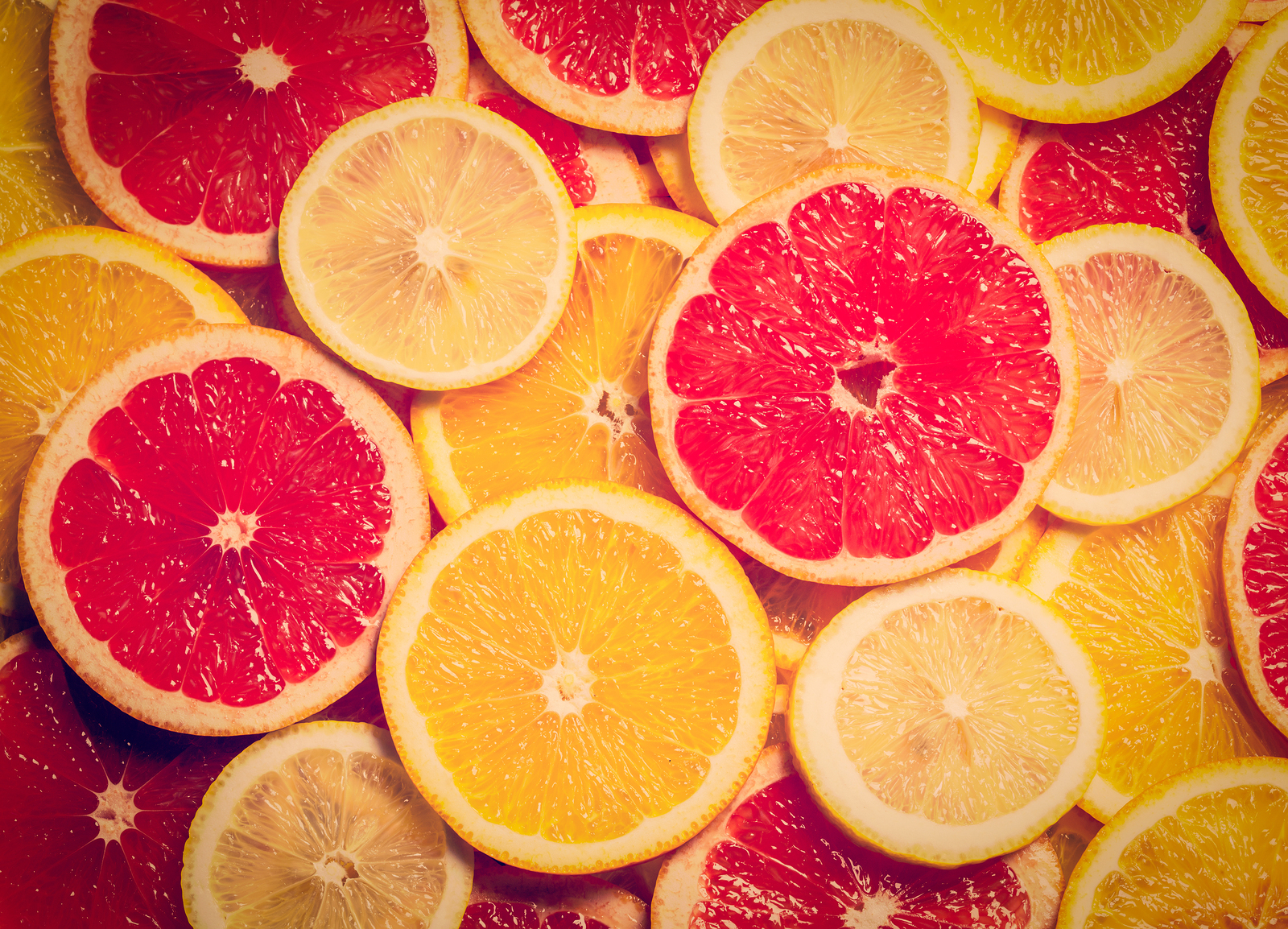
Flavanones are particularly abundant in citrus fruits, such as grapefruit, lemons, and oranges. Although flavanones begin to show up in the blood as little as 20 minutes after their consumption, they are usually excreted from the body within a 24-hour period. To continue to enjoy the health benefits they offer, flavanone-rich foods should be consumed on a regular basis.
If you’re looking to increase your intake of flavones, you’ll find high levels of these phytonutrients in celery, celery hearts, green chili peppers, and fresh oregano, parsley, and thyme.
Subclasses of Flavonols
Subclasses of flavonols include quercetin, kaempferol, and myricetin. Foods abundant in these phytonutrients include apples, apricots, beans, broccoli, cherry tomatoes, chives, cranberries, kale, leeks, pears, onions, red grapes, sweet cherries, and tea.
This study was carried out by three American and British researchers representing England’s Norwich Medical School, Harvard T.H. Chan School of Public Health, Brigham and Women’s Hospital in Boston, and Harvard Medical School. Although previous studies have shown that increased consumption of flavonoids reduces the risk of cardiovascular disease and diabetes, their effect on erectile function had not previously been explored. The study’s findings were previewed online in January 2016 in advance of publication in “The American Journal of Clinical Nutrition.”
How Data Was Collected
Data for the study was gathered from just over 25,000 men whose flavonoid intake was calculated from food-frequency questionnaires collected every four years. Study participants also rated the quality of their erectile functions at four-year intervals, with reports collected in 2000, 2004, and 2008.
The study participants were part of a larger, two-decade study known as the Health Professionals Follow-up Study, which began in 1986 and included only men who had not been diagnosed with cardiovascular disease, ED, or bladder, prostate, or testicular cancer.
Analysis of the data showed that men who consumed the greatest levels of flavonoid-rich foods had a 14 percent lower risk of erectile dysfunction than those who ate the least amount of these foods. Given that prior research has shown flavonoid-rich foods reduce the risk of cardiovascular disease and diabetes, this latest research makes a strong case for including more of these foods in your regular diet.
Benefits Increase for Active Men
Breaking the findings down further, the study found that men who regularly consumed flavonoid-rich foods had a 10 percent lower risk of erectile dysfunction than those who ate the least amounts of these foods. Those with a high intake of flavonoid-rich foods who exercised regularly showed a 21 percent reduction in their risk of impotence. The average decrease in ED risk for all men who ate plenty of foods high in flavonoids worked out to 14 percent.
Central to flavonoids’ health benefits are their antioxidant properties, which is one of the main reasons why health professionals urge Americans to increase their consumption of fruits and vegetables. Simply put, antioxidants, such as flavonoids, help to protect human cells from the damage that can be caused by free radicals, which are unstable atoms, molecules, or ions.
For those who think they might have to consume overwhelming amounts of flavonoid-rich foods to reap their nutritional benefits, the study’s lead author had some words of comfort. “Essentially, these were quite moderate amounts of fruit, a little more than three portions a week was associated with a 14 percent reduction in risk,” said Aedin Cassidy, a professor of nutrition at the United Kingdom’s University of East Anglia.
Some Medical Professionals Skeptical
Not all medical professionals were persuaded by the study’s findings. Bruce Gilbert, M.D., director of reproductive and sexual medicine at Long Island’s Arthur Smith Institute for Urology, said that he believes that food is medicine. “But does this paper give me the good sense that they have made their point that eating more berries will decrease erectile dysfunction? No.”
Dr. Gilbert pointed out that the men in the study who ate plenty of flavonoid-rich fruits and vegetables were more likely to exercise regularly and less likely to smoke or drink alcohol — lifestyle decisions that are recognized to improve heart health and erectile function. He also questioned the researchers’ use of a nonstandard questionnaire for evaluating erectile dysfunction. “I can’t believe in their conclusion based on their paper,” he said. “They have no quantification or qualification of erectile dysfunction.”
Importance of Healthy Lifestyle
While acknowledging that the researchers’ methodology has some shortcomings, Mayo Clinic urologist Landon Trost, M.D., said that it was beneficial to once again impress on men the important role played by healthy lifestyle decisions. “It will not be surprising to many that increasing fruits and vegetables reduces diseases, including erectile dysfunction,” he said. “However, it provides yet another motivating factor to adopt healthy lifestyle changes.”
In addition to the purported benefits of flavonoids in reducing the risk of cardiovascular disease, diabetes, and erectile dysfunction, foods rich in these phytonutrients also appear to improve cognitive function and slow its decline in the elderly. Recent studies have pointed in particular to cognitive benefits from the flavonoids in orange juice and cocoa.
To read additional articles about erectile dysfunction and other topics of interest to health consumers, check out our blog. To order prescription ED medications like Viagra with maximum online convenience, visit eDrugstore.com.

We specialize in providing our over 1,000,000 customers with relevant product and condition information created by our professional editorial staff which includes our team of medical writers, medical practitioners, and health educators. eDrugStore.com Staff on Facebook