
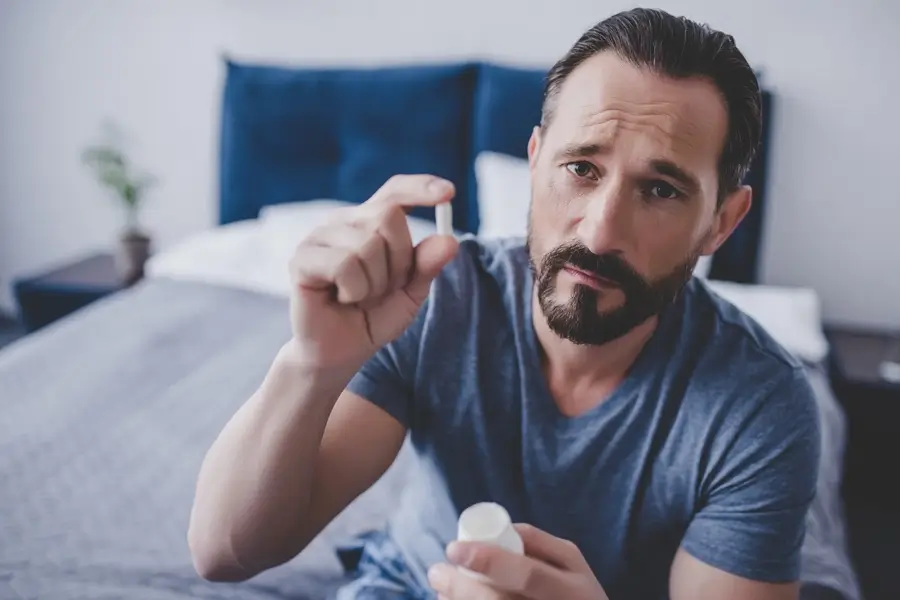

Effective ED Treatment. Private. Convenient. Trusted.
Doctor-prescribed ED medication delivered discreetly to your door.
Physicians
Private
Delivery

ED3 Max Dissolvable ED Pills
Long-lasting results up to 36 hours.
- Up to 36 Hour Window
- Improved Confidence
- Works When You Need It

Sildenafil 25mg
Proven effective treatment.
- Starts Working in 30–60 Min
- Effective, As Needed
- Trusted & Reliable
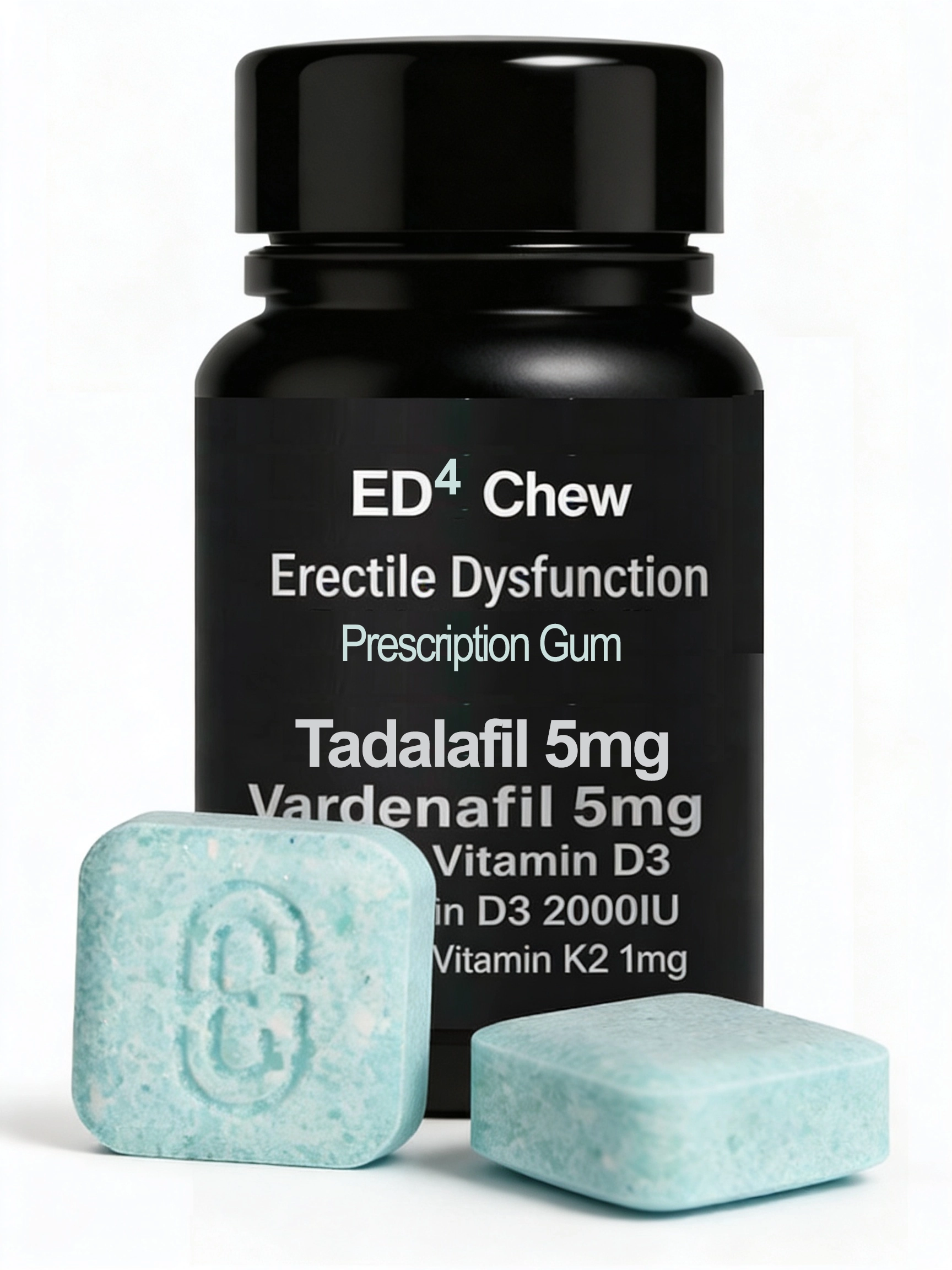
ED4 Chew Gum
Low daily dose for continuous readiness.
- Taken Once Daily
- Continuous Readiness
- Improves Confidence
Many men are unaware that erectile dysfunction (ED) is quite prevalent, and there are often misconceptions about its causes. While physical health conditions, stress, or lifestyle factors are commonly known triggers, one of the lesser-discussed culprits is medication. Yes, some prescriptions and over-the-counter drugs can directly affect sexual performance.
If you’ve ever asked yourself what medicines might be causing ED, referring to an ED drug list can help you identify potential causes. This article will guide you through understanding the science behind medication-induced ED and explore what you can do to manage or reverse its effects.
Common Drugs That May Lead to Erectile Dysfunction
ED occurs when blood flow to the penis is restricted or when psychological, neurological, or hormonal issues interfere with sexual response. Several medications influence these very systems. Here’s a look at what drugs cause impotence:
1. Antidepressants and SSRIs
Medicines such as fluoxetine (Prozac) and sertraline (Zoloft) are often used to treat anxiety and depression, which are known to disrupt libido and sexual performance. They can affect the chemical balance of the brain, which can reduce sexual desire or delay stimulation.
2. Blood pressure
The effective body can reduce blood flow through body -intestinal penis that is effective for heart health, beta -blockers and diuretic (such as Atenolol or hydractiniid). It is often difficult to maintain low stamina or an erection.
3. Antihistamines and Decongestants
Medicines such as dantrolene or pseudoephedrine are often used for colds and allergies and are also associated with blood circulation and neurotransmitters associated with stimulation.
4. Anti-anxiety and Antipsychotic Medications
They work by changing chemical messages in the brain. While being effective in dealing with mental health conditions, they can reduce testosterone levels or reduce the responsibility of the nervous system, leading to ED symptoms.
5. Chemotherapy and Cancer Treatments
Some chemotherapy agents and hormonal therapies, particularly those used in prostate cancer, may lead to long-term sexual side effects, including impotence.

Understanding the Mechanism: Why These Drugs Affect Sexual Health
Many of these medications influence hormonal balance, nervous system signaling, or blood circulation, all of which are critical for healthy sexual function.
For instance:
- Some medications reduce testosterone levels, the hormone crucial for libido and arousal.
- Others affect neurotransmitters such as serotonin and dopamine, which control joy and mood.
Drugs that tighten blood vessels or cause low blood pressure can prevent adequate blood flow for erection.
Suppose you are on medication for a long time and begin to experience sexual difficulties. In that case, it is worth asking your doctor if the medication is causing side effects and whether any alternative can be appropriate.
What You Can Do About It?
If you are experiencing erectile dysfunction and suspect that your medication may be contributing to it, do not discontinue your prescriptions abruptly. Instead:
- Consult your doctor: Discuss the problem with healthcare professionals. They can adjust the dose, recommend an option, or you can refer to a specialist.
- Explore male ED tablets: Effective male ED pills are available that can compete with the side effects of some medications. These include PDE5 inhibitors that improve blood flow and support strong, long-lasting erections.
- Review your general health: Sometimes, ED results from many factors. Handling lifestyle habits such as diet, exercise, alcohol intake, and stress levels can improve the results and any treatment plan.
- Be informed: Be aware of the list of ED medicines prescribed to treat sexual lethargy. Depending on individual health conditions, these medicines vary in strength, duration, and effectiveness.
While ED can feel isolating, it’s more common — and more manageable — than it may seem. If you’re wondering what drugs cause erection problems after medication, impotence, the answer may lie in your medicine cabinet. Understanding the relationship between your prescriptions and erectile dysfunction causes is the first step toward a solution.
For those seeking specialist guidance and proper access to reliable male enhancement pills, a series of clinically approved options is supported by Edrugstore. With proper information and timely intervention, it is quite possible to gain control of your sexual health.
FAQs
Can switching antidepressants help reverse ED symptoms?
Yes, in some cases. Certain antidepressants may have milder sexual side effects, but always consult your doctor before switching medications.
Why do blood pressure medicines affect sexual performance even if they improve heart health?
Because some of them reduce blood flow to the penis or dull nerve response, both of which are essential for maintaining an erection.
Do over-the-counter allergy medications also lead to ED?
Some decongestants and antihistamines can restrict blood vessels or disrupt neurological signals, potentially leading to temporary ED.
Is it safe to take ED medication alongside my regular prescriptions?
It depends on your current medication. Always check with a healthcare provider to avoid interactions, especially with nitrates or blood pressure drugs.
Does ED caused by medication always require separate treatment?
Not always. Sometimes, adjusting the dosage or switching to an alternative can resolve symptoms without the need for additional medication.

Dr Steven Schlosser
Dr. Schlosser graduated from Lafayette College Phi Beta Kappa and attended Georgetown Medical School. He had 4 years of medical residency training at Tufts University in Boston in both Gynecology and Internal Medicine. He has had a spotless medical career for the past 40+ years and is Board Certified. Learn More